Supreme Court Strikes Down Parts of NIWA Act, Hands States Control of Waterfront Lands
 Claudia Kane
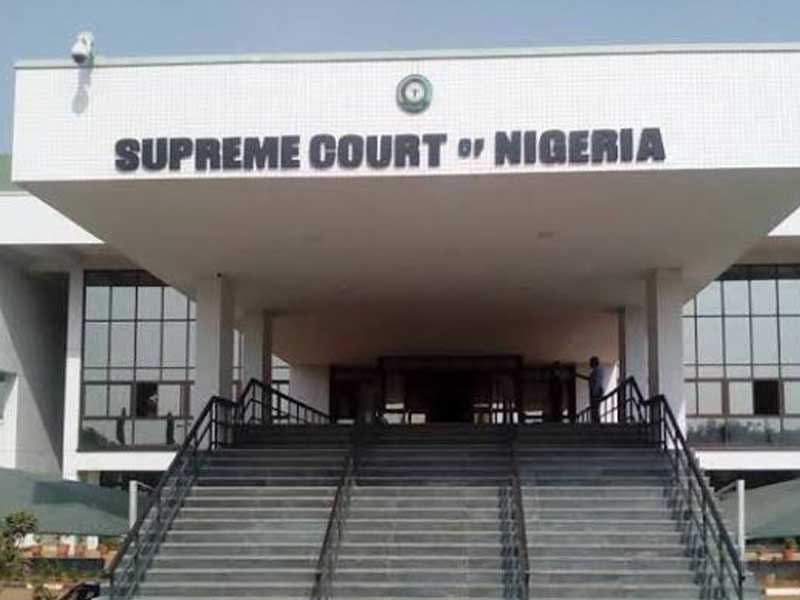
In a landmark judgment, the Supreme Court has declared sections 12 and 13 of the National Inland Waterways Authority (NIWA) Act unconstitutional. The court ruled that state governments have authority over lands adjoining inland waterways for non-navigational purposes, not the federal government.
The 5-2 split decision, delivered Friday, May 22, grants a perpetual injunction restraining the Federal Government from controlling waterfront lands in Lagos and 13 other states that brought the suit. Lagos State, led by former Governor Babatunde Fashola (SAN), spearheaded the case.
What the Court Decided
The Supreme Court held that Sections 12 and 13 of the NIWA Act violated the constitutional framework of federalism. Those sections gave the Federal Government control over lands within 100 metres of inland waterways across all states. Under the Nigerian Constitution, lands are primarily a state matter except where expressly reserved for the Federal Government.
The court affirmed that state governments own and control lands adjoining waterways within their territories as long as those lands are not used for navigational purposes. States can now regulate development, issue permits, collect revenues, and manage waterfront properties without federal interference from NIWA.
The ruling is a major victory for states’ rights. Legal analysts say it settles a long-running question over who controls Nigeria’s network of inland waterways, a question that has triggered multiple legal battles between states and the Federal Government over the years.
Fashola Leads the Charge
Babatunde Fashola, who served as Lagos State Governor from 2007 to 2015 and later as Minister of Works and Housing, led the legal team for Lagos. Sources close to the case say Fashola argued that NIWA’s claim over waterfront lands amounted to an unconstitutional takeover of state property and a violation of fiscal federalism.
The Supreme Court agreed. While NIWA has authority over navigable waterways for transportation and commerce, it cannot extend that authority to control adjoining lands for purposes unrelated to navigation, such as real estate development, tourism, or agriculture.
What This Means for Nigerians
The judgment has immediate practical implications. Property owners along waterfront areas in Lagos, Rivers, Delta, Bayelsa, and other states can expect clearer regulatory frameworks now that state governments control land use decisions for non-navigational purposes. States can also generate revenue from waterfront development permits, land leases, and tourism projects along inland waterways.
For the Federal Government, the ruling limits NIWA’s operational scope but does not affect its core mandate of managing navigation, dredging, and safety on inland waterways. The agency remains responsible for keeping waterways navigable for commercial and transportation use.
Reactions from state governments have been positive, with several governors welcoming the decision as a reaffirmation of true federalism. Legal experts expect the judgment to set a precedent for other cases challenging federal control over state lands.
Sources: ThisDay, Arise News, Politics Nigeria, Spear News

Written by
Claudia Kane
General assignment reporter and News Editor at NaijaTrend. Covers breaking news, security, and national affairs across Nigeria.
You May Also Like
 News
News
NDLEA Says It Seized Over Two Billion Tramadol Pills In 18 Months
The National Drug Law Enforcement Agency says it has seized more than two billion tramadol pills in the last 18 months,…
 News
News
Tinubu Approves 12-Division Army Structure, 28,000 New Recruits
President Bola Tinubu has approved four new Nigerian Army divisions and 28,000 additional recruits, according to multipl…
 News
News
NSIB Opens Probe After Enugu Air Plane Skids Off Benin Runway
The NSIB has opened an investigation after an Enugu Air Embraer E170 overran the end of Runway 05 at Benin Airport. Offi…
 News
News
DSS To Appeal Life Sentences In Oyo School Abduction Case
The Department of State Services says it will challenge the life sentences handed to three men linked to the abduction o…