Nigerian Crude Surges to $113/b — Far Above Brent’s $96/b as Iran War Reshapes Energy Markets
 Amina Garba
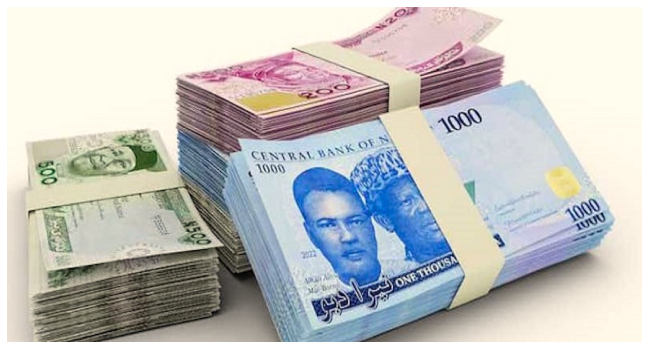
Nigeria’s crude oil grades are trading at a premium on global markets, with Brass River and Qua Iboe selling at $113.82 and $113.72 per barrel respectively on Thursday — far above the international Brent benchmark of $96.54.
The $17-per-barrel premium over Brent reflects a seismic shift in global energy dynamics caused by the Iran war. With Middle East supply routes disrupted and the Strait of Hormuz under a US naval blockade, buyers are turning to West African crude as a reliable alternative — and Nigeria is the biggest beneficiary.
The Revenue Story
Finance Minister Wale Edun confirmed on Wednesday that Nigeria’s crude production has hit 1.8 million barrels per day, speaking on the sidelines of the IMF-World Bank Spring Meetings in Washington. With the 2026 budget benchmark set at just $60 per barrel, every barrel sold above that threshold generates additional revenue for the Federation Account.
At current prices, Nigeria is earning roughly $53 per barrel above budget — a surplus that could materially boost federal and state revenues. Edun said the extra fiscal space would help “vulnerable households at this time,” though the specific mechanism for translating higher oil revenues into household relief remains unclear.
The Naira Effect
The Naira appreciated to ₦1,344.20/$1 on Thursday’s opening session, with the currency hitting an early high of ₦1,343.83 before settling near ₦1,344. Analysts attributed the positive movement to improved foreign currency inflows and the CBN’s consistent efforts to clear the forex backlog. Higher oil revenues mean more dollars flowing into the economy, which supports the currency.
The Catch
There is always a catch. Nigeria’s crude premium depends on the Iran war. If the ceasefire holds and Hormuz reopens, the premium evaporates, prices normalise, and the revenue windfall disappears. The government is effectively betting on a geopolitical crisis to fund its budget — a strategy that works until it doesn’t.
Meanwhile, Japan and other countries are placing new orders for Nigerian crude to offset disrupted Middle East supplies. This is good for revenues in the short term, but it also means Nigeria’s export customers are crisis-driven, not structural. When the crisis ends, they may return to their traditional suppliers.
For now, the numbers are impressive: $113/b for Nigerian crude, ₦1,344/$1 for the Naira, and 1.8 million bpd in production. The question is whether the government uses this window to build fiscal buffers — or treats it as business as usual.
Sources: Channels TV, IMF, DMO

Written by
Amina Garba
Financial reporter covering CBN policy, oil and gas, government budgets, and macroeconomic trends. Business Writer at NaijaTrend.
You May Also Like
 Business
NCC Begins Registration Of SIM-Enabled Devices, Targets Illegal Imports
The Nigerian Communications Commission has begun registering and authenticating SIM-enabled devices as it moves to tight…
 Business
NUPRC Threatens Revocation Of Idle Flare Gas Permits
The Nigerian Upstream Petroleum Regulatory Commission has warned that companies sitting on flare gas commercialisation p…
 Business
Reps Begin Probe Into N432bn Oil Revenue Debt
The House Public Accounts Committee is investigating debts owed to NMDPRA by NNPCL and oil marketers after audit finding…
 Business
Appeal Court Upholds Ex-NEXIM Bank MD Roberts Orya’s Fraud Conviction
The Court of Appeal in Abuja has upheld the fraud conviction of Roberts Orya, a former managing director of the Nigerian…