The Lagos Water Corporation says its network serves 34,424 registered households, an estimated 1.03 per cent of the state’s 20 million residents, while families outside reliable public supply pay for boreholes and water vendors.
The corporation’s 2025 production records show average output of about 7.21 million gallons a day, against installed capacity of about 210 million gallons and estimated daily demand of 540 million gallons.
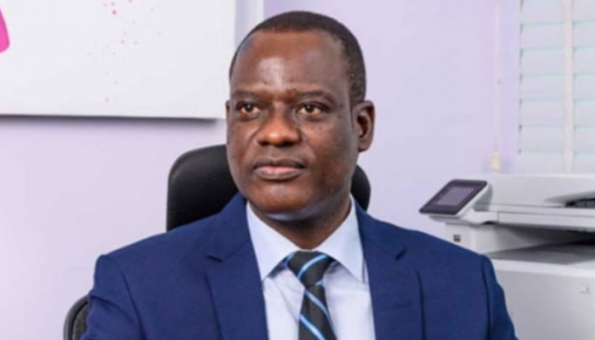
Rasaq Anifowoshe, the corporation’s deputy director for corporate affairs and brand management, gave the figures in an interview with the News Agency of Nigeria published on Sunday.
He identified ageing distribution pipes, population growth and rapid urbanisation as constraints on supply. He said existing infrastructure needed rehabilitation and expansion.
In Iponri Housing Estate, resident Adebayo Solomon told NAN his household spent about N1,500 a day on vendor-supplied water. He said electricity shortages sometimes disrupted availability, forcing the family to ration stored water or pay more.
Amanda Ogbodo, an Oworonshoki resident, put her weekly spending on vendor-delivered borehole water at between N2,200 and N3,600. She said public supply had become more consistent in parts of her area over the preceding four months, but homes on higher ground still struggled with low pressure.
Other residents described public facilities that no longer worked and connections that depended on electricity. Anthony Olamide, a point-of-sale operator on Vaughan Street in Costain, said residents contributed N1,000 monthly for an LWC connection, but bought from vendors when power outages stopped the supply.
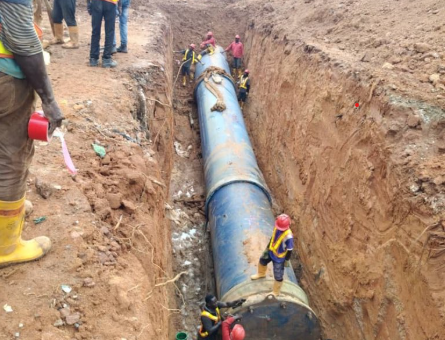
Anifowoshe said the corporation planned to rehabilitate and upgrade mini and micro treatment plants, extend distribution pipes and introduce digital monitoring of underground networks to reduce water losses.
The planned works include rehabilitation of Ojokoro Mini Waterworks and construction of Lagos Island Micro Waterworks. He also listed a proposed 100-million-gallon-a-day Igbonla treatment plant to serve the Lekki-Epe corridor.
Sources: Punch, Premium Times
Something we should clarify?
Contact the newsroom