FG Expands Flood Alert to 33 States and FCT — 14,118 Communities at Risk in 2026
 Claudia Kane
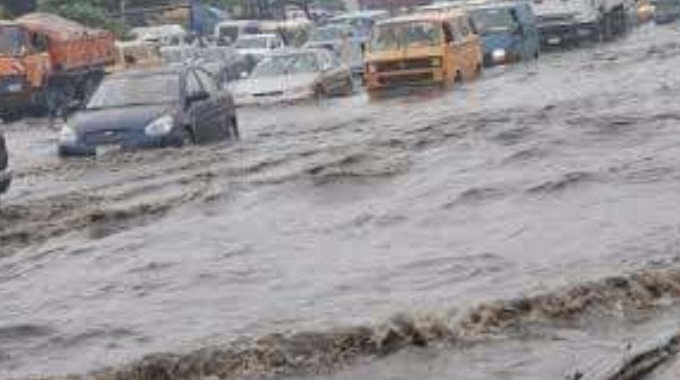
The Federal Government has expanded its 2026 flood warning dramatically, cautioning that 33 states and the Federal Capital Territory face high flood risk during the current rainy season, with 14,118 communities across 226 local government areas identified as vulnerable.
The initial outlook, launched just days earlier, had covered only 10 states. This updated forecast more than triples the risk zone.
Minister of Water Resources and Sanitation Prof. Joseph Utsev presented the 2026 Annual Flood Outlook at the Presidential Banquet Hall in Abuja on Wednesday, themed “Smart Water Resources Management: Moving from Oil to a Water-Based Economy.” The initial alert had covered 10 states; the new outlook covers virtually the entire country.
The Full List
The 33 high-risk states are: Abia, Adamawa, Anambra, Bauchi, Bayelsa, Benue, Borno, Cross River, Delta, Ebonyi, Edo, Enugu, Gombe, Imo, Jigawa, Kaduna, Kano, Kebbi, Kogi, Kwara, Lagos, Nasarawa, Niger, Ogun, Ondo, Osun, Oyo, Plateau, Rivers, Sokoto, Taraba, Yobe, and Zamfara — plus the FCT.
Bayelsa, Delta, Adamawa, and Kebbi were flagged as the most at-risk, consistent with their vulnerability to riverine and coastal flooding. An additional 15,597 communities in 405 LGAs across 35 states (only Ekiti is exempt) are expected to experience moderate flooding.
What’s Different This Time
The scale of the warning is unprecedented. When the initial outlook covered 10 states, it was already a serious alert. Expanding to 33 states plus the FCT — with over 14,000 communities at high risk — suggests either that the initial assessment was too conservative or that conditions have deteriorated faster than expected.
Utsev stressed that predictions alone would not be effective unless communities act on the information. This year’s outlook introduces a community-based flood forecasting system for more precise, location-specific predictions. The ministry is also partnering with NiMet to combine weather and water data for better forecasting, and says it is upgrading hydrological monitoring systems.
The event was attended by the Minister of Environment, who represented President Bola Tinubu, and the Minister of Livestock Development, Idi Maiha, among other key stakeholders.
The Iran War Factor
The Iran war adds an unexpected dimension. Global shipping disruptions have driven up the cost of imported construction materials, making it harder for vulnerable communities to reinforce homes and drainage systems. Higher fuel prices also mean higher costs for evacuation and emergency response. The flood risk is real; the resources to mitigate it are shrinking.
Sources: ICIR, Pulse Nigeria, AshNewsDaily, PM News

Written by
Claudia Kane
General assignment reporter and News Editor at NaijaTrend. Covers breaking news, security, and national affairs across Nigeria.
You May Also Like
 News
News
Teenager Killed, Cattle Rustled In Fresh Benue Community Attack
A 15-year-old boy has been killed and cattle rustled in a fresh attack on Olahimu village in Ogoli Ugboju, Otukpo Local…
 News
News
Troops Arrest Suspected Terrorist Suppliers, Intercept Medical Supplies In Borno
Troops of Operation Hadin Kai have arrested suspected terrorist logistics suppliers and intercepted medical and veterina…
 News
News
FG Cuts Textbook Assessment Fees, Orders Refunds For Publishers
The Federal Government has reduced textbook assessment and ranking fees ahead of the planned National Textbook Ranking S…
 News
News
Father And 15-Year-Old Daughter Die After Falling Into Kano Well
A father and his 15-year-old daughter have died after falling into an abandoned well in Kano State. The Kano State Fire…