Nigeria and US Inaugurate Defence Working Groups to Deepen Counter-Terrorism Cooperation
 Claudia Kane
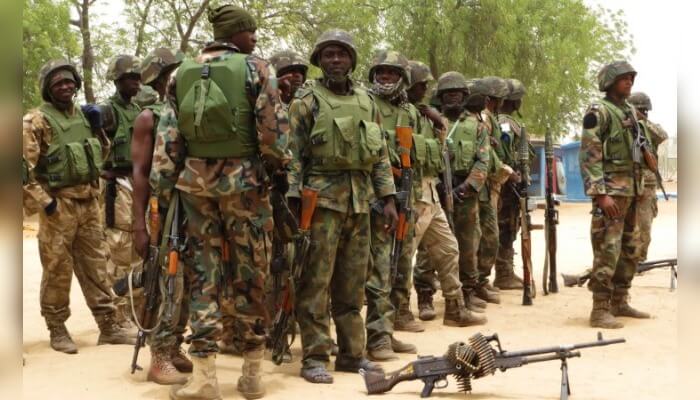
Nigeria and the United States have inaugurated Defence Institutional Technical Working Groups (DITWGs) in Abuja, deepening their military cooperation under what both governments are calling the 2026 Defence Cooperation Roadmap. The announcement came from Defence Headquarters spokesperson Samaila Uba on Tuesday, May 6.
On paper, it sounds like progress. The timing, though, is worth examining.
What the DITWGs Are
The working groups are designed to strengthen institutional capacity, improve strategic planning, and deny terrorists safe havens across Nigeria’s conflict zones. At the inauguration ceremony, US delegation head Cate Dave said long-term counterterrorism success depends on building resilient defence systems — not just battlefield operations. Nigeria’s delegation was led by Air Vice Marshal Francis Edosa, who said the partnership would sharpen the Armed Forces’ warfighting capabilities and improve responsiveness to evolving threats.
Both sides said they want “practical outcomes, accountability and sustained collaboration” — language that signals these groups are meant to produce measurable results, not just diplomatic optics.
The Context That Matters
These working groups don’t exist in a vacuum. The US already has roughly 200 troops and MQ-9 surveillance drones operating from Bauchi State — a deployment that began in February following diplomatic tensions tied to allegations by US President Donald Trump about Christian persecution in Nigeria, and subsequent American airstrikes in the country’s north-west. Those personnel are in advisory and intelligence-gathering roles, not combat.
Despite all this foreign support, Premium Times reported bluntly that insecurity has continued to worsen. Boko Haram and the Islamic State West Africa Province (ISWAP) have intensified attacks on military formations and civilian communities across northern Nigeria. Suicide bombings and deadly assaults in the North-east are still happening. The working groups, then, are being stood up at a moment when what’s already in place isn’t working well enough.
What It Means Going Forward
The DITWGs represent a structural deepening of Nigeria-US defence ties — moving from ad hoc deployments to institutionalised collaboration with defined working groups and a roadmap. Whether that translates into measurable security improvements on the ground is a different question entirely, and one Nigerians are right to ask.
The next few months will test whether these groups produce the “practical outcomes” both sides are promising, or become another layer of bureaucratic cooperation that looks good on paper while communities in the north-east and north-west remain exposed.
Sources: Premium Times, AllAfrica, TG News

Written by
Claudia Kane
General assignment reporter and News Editor at NaijaTrend. Covers breaking news, security, and national affairs across Nigeria.
You May Also Like
 News
News
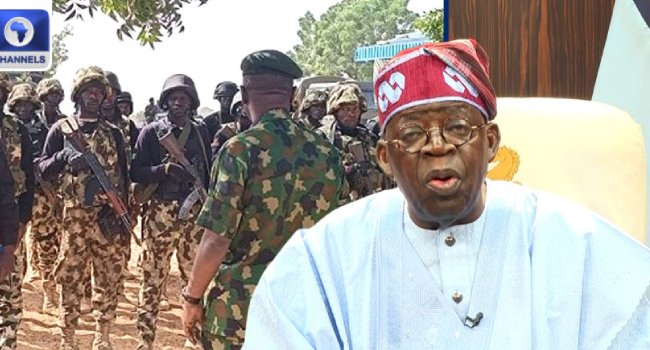
Tinubu Approves 12-Division Army Structure, 28,000 New Recruits
President Bola Tinubu has approved four new Nigerian Army divisions and 28,000 additional recruits, according to multipl…
 News
News
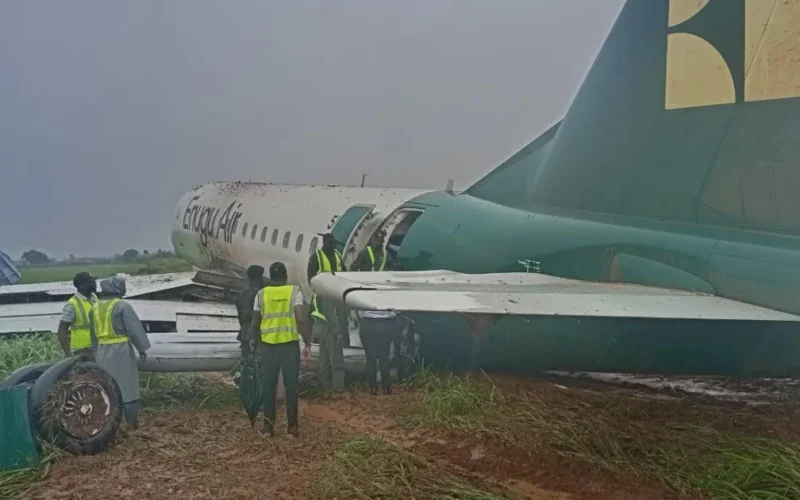
NSIB Opens Probe After Enugu Air Plane Skids Off Benin Runway
The NSIB has opened an investigation after an Enugu Air Embraer E170 overran the end of Runway 05 at Benin Airport. Offi…
 News
News
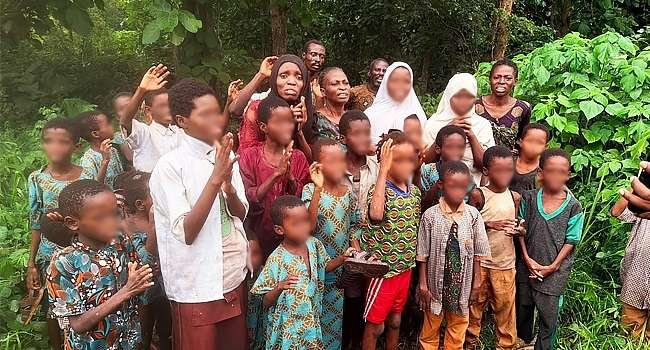
DSS To Appeal Life Sentences In Oyo School Abduction Case
The Department of State Services says it will challenge the life sentences handed to three men linked to the abduction o…
 News
News
Court Declines Immediate Review Of Bello Bodejo’s ₦2bn Bail Terms
A Federal High Court in Abuja has declined to immediately hear Bello Bodejo’s request to review the ₦2 billion bail cond…