Workers’ Day 2026: NLC, TUC Say Nigerian Workers Are Getting Poorer Despite Wage Hike
 Claudia Kane
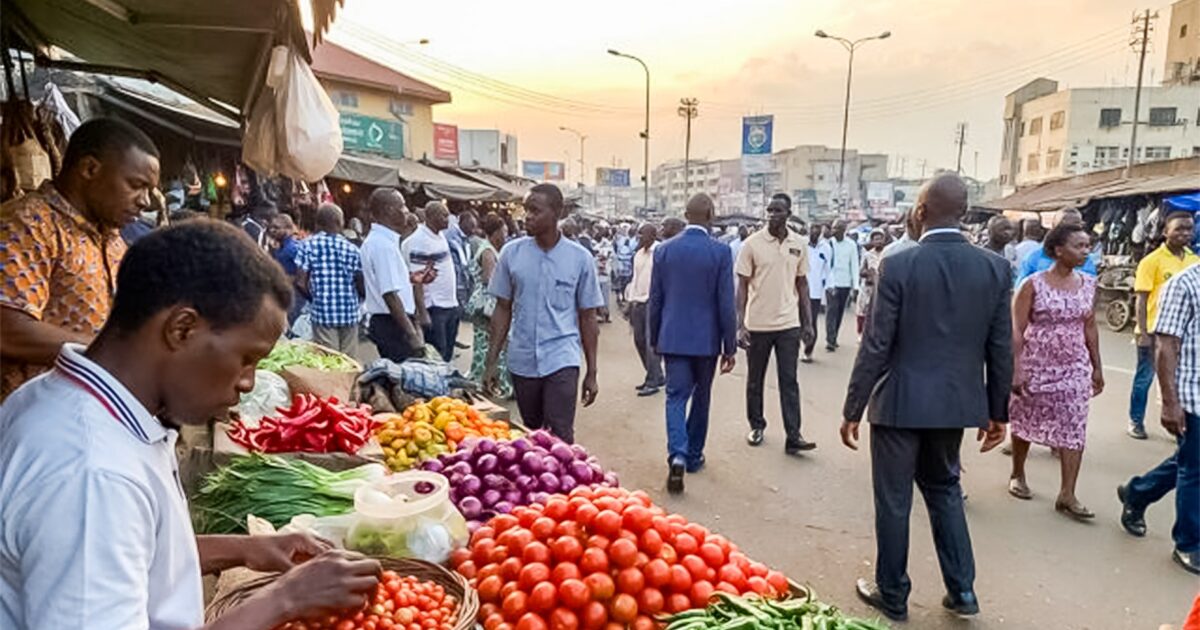
Nigerian workers are marking Workers’ Day 2026 under conditions that make celebration feel hollow. The minimum wage has gone up — but so has virtually everything else. Fuel now costs ₦1,400 per litre, up from around ₦780 just months ago. Food prices remain stubbornly high. And the naira continues to lose ground.
At May Day events across Nigeria on Friday, the leadership of the Nigeria Labour Congress (NLC) and Trade Union Congress (TUC) had one consistent message: things are getting worse, not better.
NLC: A ₦1 Million Wage Means Nothing Without a Stable Naira
NLC President Joe Ajaero did not hold back at the pre-May Day event in Abuja. He warned that worsening economic conditions are actively undermining workers’ welfare and national productivity — and took direct aim at the naira’s slide.
“Even if the minimum wage were ₦1 million, it would be worthless without a stable naira,” Ajaero said, pointing out that currency volatility erodes purchasing power faster than wage increases can compensate.
He identified insecurity as a compounding factor, arguing that millions of Nigerians trapped below the poverty line cannot participate meaningfully in the economy — particularly in agriculture and small businesses — when their lives and assets are under constant threat.
TUC Calls for Solidarity
TUC President Festus Osifo echoed those concerns, calling for stronger solidarity among workers, unions, and employers to fight back against poverty and shrinking job quality. Osifo said decent work remains “non-negotiable” for Nigerian workers and that the country cannot develop sustainably on the back of underpaid, insecure labour.
The Numbers Tell the Story
The ₦70,000 minimum wage — itself a recent increase — has already been eaten away by inflation. Petrol prices driven by the global Iran-US conflict have pushed transport and food costs higher across the board. Analysts quoted by the Guardian note that price declines in some sectors have been far too modest to ease real hardship. The Centre for the Promotion of Private Enterprise (CPPE) has urged a shift from periodic wage hikes toward structural income protection — a tacit acknowledgment that chasing inflation with higher wages alone is not working.
SSANU and NASU, the university non-academic staff unions, began their indefinite strike today over unresolved allowance disputes — adding another layer of disruption to an already strained public sector.
Workers in 2026 are not just demanding more pay. They are asking whether the economy is being built for them at all.
Sources: The Guardian Nigeria, Punch Newspapers, Sahara Reporters, AllAfrica

Written by
Claudia Kane
General assignment reporter and News Editor at NaijaTrend. Covers breaking news, security, and national affairs across Nigeria.
You May Also Like
 News
News
Tinubu Approves 12-Division Army Structure, 28,000 New Recruits
President Bola Tinubu has approved four new Nigerian Army divisions and 28,000 additional recruits, according to multipl…
 News
News
NSIB Opens Probe After Enugu Air Plane Skids Off Benin Runway
The NSIB has opened an investigation after an Enugu Air Embraer E170 overran the end of Runway 05 at Benin Airport. Offi…
 News
News
DSS To Appeal Life Sentences In Oyo School Abduction Case
The Department of State Services says it will challenge the life sentences handed to three men linked to the abduction o…
 News
News
Court Declines Immediate Review Of Bello Bodejo’s ₦2bn Bail Terms
A Federal High Court in Abuja has declined to immediately hear Bello Bodejo’s request to review the ₦2 billion bail cond…