“Where Is The Light?” — Nigerians Demand Answers As Adelabu’s Two-Week Electricity Promise Fails
 Claudia Kane
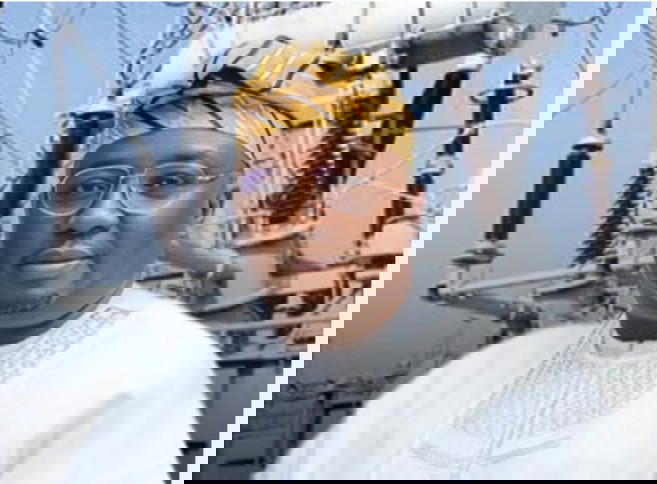
Two weeks. That was the timeline Power Minister Adebayo Adelabu gave Nigerians on March 24 when he apologised for the blackout crisis sweeping the country. Friday came and went. The lights stayed off.
From Abuja to Lagos, from Delta to Ekiti, the story is the same. Utako district in Abuja gets maybe an hour of power per day. Akure residents say they have forgotten what stable electricity feels like. In Owerri, some neighbourhoods have been in near-total blackout for four weeks straight. A woman in Edo State said her community gets two hours daily if they’re lucky. And when it rains, forget it. Power goes out for 12, sometimes 24 hours.
By the numbers
Nigeria’s electricity generation still hovers around 4,000 megawatts for a country of over 200 million people. Per capita electricity consumption sits between 144 and 165 kilowatt-hours, well below the African average of 617 kWh. Households and businesses run on generators, inverters, and solar setups they pay for out of pocket, a parallel energy system built on frustration and self-funding. Power bank rentals have become a genuine micro-business in parts of Kaduna, Sokoto, Kano, and Lagos. You can rent one to charge your phone. That is where we are.
Follow the money
Then there is the money question. President Tinubu just approved 3.3 trillion naira to settle legacy debts in the power sector, covering obligations accumulated between 2015 and March 2025. But Adelabu himself announced the same amount back in 2024. The Debt Management Office has already securitised about 4.5 trillion naira for the same purpose. So where did that money go? The Nigerian Independent System Operator estimates power outages cost the economy roughly 40 trillion naira annually. Nigerians are paying twice: once to the distribution companies for power they don’t receive, and again for the alternatives they actually rely on.
Familiar promises
Adelabu blames gas supply constraints and infrastructure failures. The Trans Forcados Pipeline is down. The national grid has collapsed more times than anyone bothers to count. Fifteen power plants have now signed settlement agreements worth 2.3 trillion naira, with 501 billion already raised. But these are familiar promises. In April 2024, Adelabu said the government would prioritise settling debts to power plants. In October 2025, he announced a 4 trillion naira bond for the same purpose. Now another 3.3 trillion. At some point, you have to ask whether the announcements are the policy.
The Band A tariff classification, which promises 20 hours of supply for a higher rate, has become a joke. Band A customers in Lagos are asking why they pay premium rates for 24-hour supply when they barely get power at all. As one resident put it: “Maybe there’s another Nigeria we don’t know about.”
Sources: Vanguard, Punch, Daily Trust, NaijaNews

Written by
Claudia Kane
General assignment reporter and News Editor at NaijaTrend. Covers breaking news, security, and national affairs across Nigeria.
You May Also Like
 News
News
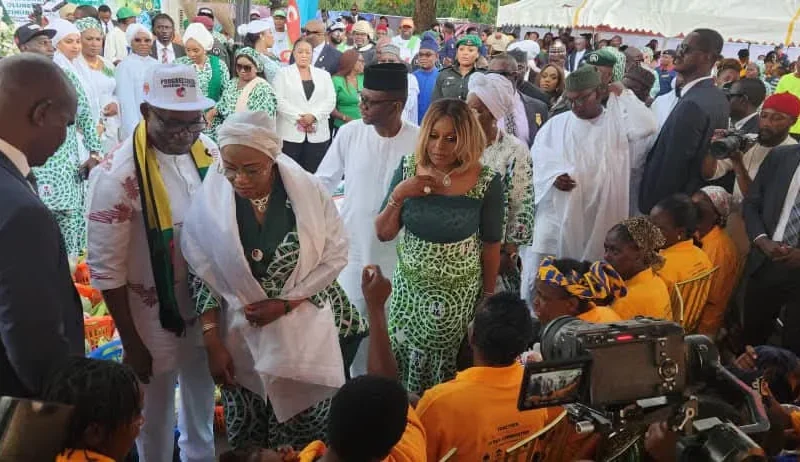
Oluremi Tinubu Opens South-East Food Bank In Anambra
Nigeria’s First Lady, Oluremi Tinubu, has opened the South-East phase of the National Community Food Bank Programme in A…
 News
News
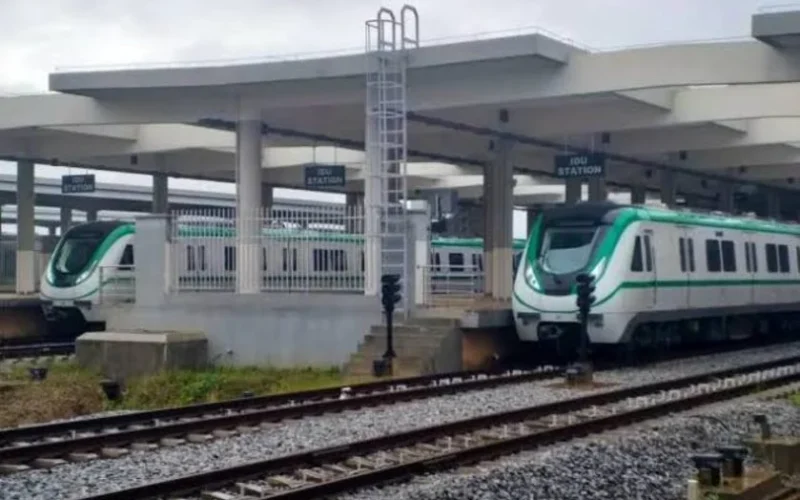
Minor Fire Hits Abuja Idu Train Station, Operations Continue
A minor fire damaged electrical installations at Abuja’s Idu Train Station on Wednesday evening, but the Nigerian Railwa…
 News
News
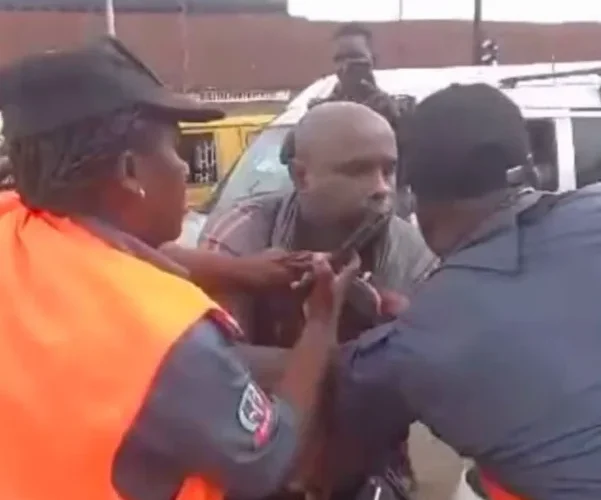
Edo Police Open Probe After Clash With Traffic Officers
The Edo State Police Command has ordered an investigation after a video showed an altercation between police operatives…
 News
News
ASUU Gives Sokoto State University Two-Week Ultimatum Over Unpaid Entitlements
The Academic Staff Union of Universities at Sokoto State University has given the Sokoto State Government two weeks to a…