Trump Orders Naval Blockade of Strait of Hormuz After Iran Peace Talks Fail
 Claudia Kane
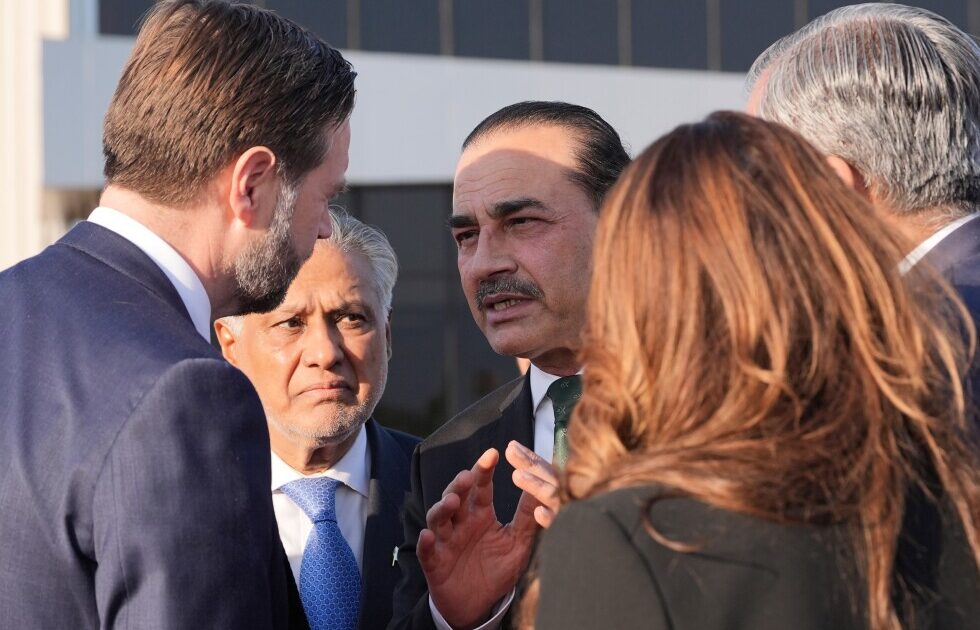
Peace talks in Islamabad went nowhere
The war between the United States and Iran escalated again on Sunday. Peace talks in Islamabad between American and Iranian delegations ended without agreement, and President Donald Trump immediately announced the US Navy would blockade the Strait of Hormuz, the waterway that carries roughly a fifth of the world’s oil.
“Effective immediately, the United States Navy, the Finest in the World, will begin the process of BLOCKADING any and all Ships trying to enter, or leave, the Strait of Hormuz,” Trump posted on Truth Social. “The Blockade will begin shortly. Other Countries will be involved with this Blockade. Iran will not be allowed to profit off this Illegal Act of EXTORTION.”
So much for diplomacy. Vice President JD Vance, who led the US delegation, confirmed that talks failed after a full day of negotiations. The blockade announcement came within hours.
Why this hits Nigeria hard
The Strait of Hormuz is not some far-off waterway that has nothing to do with Nigeria. It is the chokepoint where much of the oil that sets global prices flows through. When Hormuz tightens, pump prices in Lagos move. Sometimes fast.
Higher crude prices are complicated for Nigeria. Yes, the country earns more from oil exports when prices rise. But Nigeria still imports refined fuel, so import costs climb, the naira takes pressure, and ordinary people pay more at filling stations. The inflation rate just dropped to 15.06 percent. That was good news while it lasted. A prolonged Hormuz blockade could reverse it within weeks.
Trump also said the Navy would “seek and interdict every vessel in International Waters that has paid a toll to Iran.” Iran had been preparing to charge tolls on ships passing through the strait, which is what triggered Washington’s anger in the first place. “No one who pays an illegal toll will have safe passage on the high seas,” Trump said.
What could happen next
The real worry is whether Iran tries to break the blockade by force. Iran has anti-ship missile positions along the strait and has threatened to mine the waterway before. A shooting confrontation between the US Navy and Iranian forces in those waters would send oil prices through the roof and could pull in other countries.
Right now, nobody knows how this ends. What is clear is that the Islamabad talks were not just a dead end. They were the starting gun for something worse. Nigerian consumers will feel every bit of it.
Sources: CNBC, AP News, Al Jazeera, The Guardian, Reuters

Written by
Claudia Kane
General assignment reporter and News Editor at NaijaTrend. Covers breaking news, security, and national affairs across Nigeria.
You May Also Like
Ondo Investigates Suspected Poisoning After 24 Deaths
Ondo State authorities are investigating the deaths of 24 people in Odigbo Local Government Area after residents reporte…
 News
News
Police Hunt Suspects After Mob Kills Man In Akwa Ibom
Akwa Ibom police say they have begun a manhunt after a mob allegedly beat and set ablaze an unidentified man accused of…
 News
News
Nigerian Army Redeploys Generals, Names New Operation Hadin Kai Commander
The Nigerian Army has redeployed several senior officers and named Major General I. A. Ajose as Theatre Commander of Joi…
 News
News
NDLEA Arrests Fugitive Kingpin Linked To 49.7kg Heroin Shipment
NDLEA says Festus Ibewuike was arrested in Benin Republic and returned to Nigeria after more than two years on the run.