Tinubu Approves Allowance Increase, 100% Exit Package for Nigerian Civil Servants
 Amina Garba
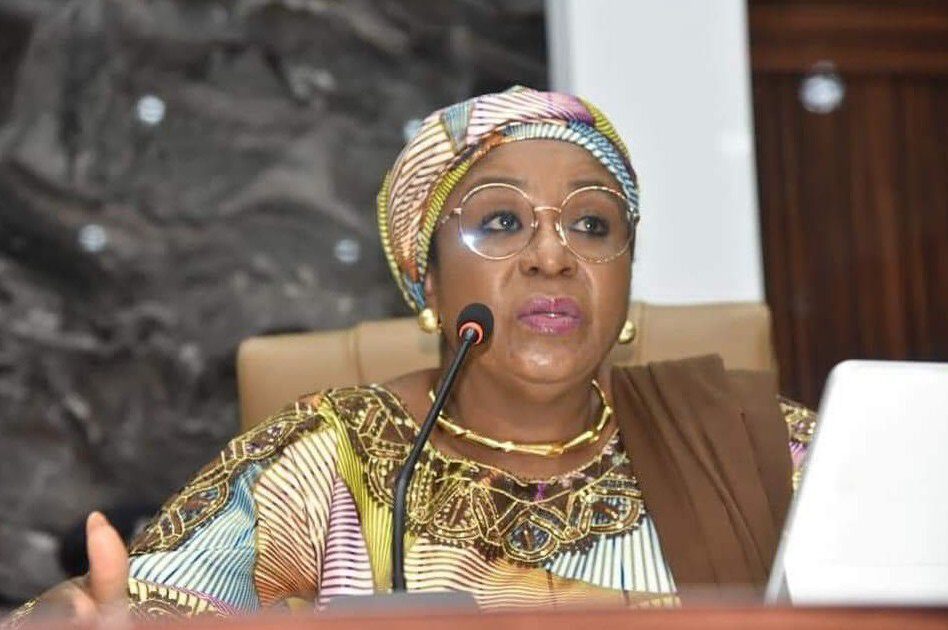
The Federal Government has approved a package of allowance increases and welfare improvements for civil servants, giving workers across Nigeria’s public service some relief after months of rising costs and squeezed take-home pay.
What’s in the package
Head of the Civil Service of the Federation, Didi Walson-Jack, announced the measures at a press briefing in Abuja on Friday. The reforms cover workers under multiple salary structures, including the Consolidated Public Service Salary Structure (CONPSS), the Consolidated Research and Allied Institutions Salary Structure (CONRAISS), and salary structures covering the police, paramilitary, intelligence community, and armed forces.
A major change is the approval of full Duty Tour Allowance (DTA) for civil servants attending official training, whether or not travel is involved. Previously, only workers who physically travelled for training received DTA. Under the new policy, workers training within their duty locations are entitled to the same allowance.
The government also reviewed estacode and book allowances, and introduced a new exit benefit scheme for retirees under the Contributory Pension Scheme — granting them 100 percent of their final total emoluments on top of their pension. The scheme took effect from January 1, 2026. An Employee Compensation Scheme, covering job-related injuries or death, has also been confirmed for implementation.
These measures build on an earlier 25 to 35 percent salary increase for workers under consolidated pay structures, approved roughly two years ago.
Workers are cautiously hopeful
Civil servants who spoke to the News Agency of Nigeria expressed a mix of relief and skepticism. Ms Benita Solomon, a widow with three children, welcomed the announcement but tied it directly to her daily reality: “Life has not been easy for every typical civil servant, especially those of us with children and several dependents. I am very excited about this increase and hope sincerely it will be implemented accordingly, as it will go a long way to cushion the effects of rising living costs.”
Mrs Esther Ibrahim, a Grade Level 12 officer, was more measured: “We have heard similar announcements before. What matters now is the implementation. Food prices are rising daily, and salaries no longer meet basic needs.”
Mr Sunday Adeyemi, a senior officer, echoed those concerns: “We have seen policies announced that never got implemented or led to actual increase in our take home. Although this is a welcome development, many of us will remain cautious, until we see the increase in our payslips.”
The economic context
Economists warned that the impact of the reforms hinges on broader economic conditions. Dr Gideon Maigida cautioned: “Increasing allowances improves disposable income, but if inflation, especially food inflation, remains high, the real benefit may be limited.” He called for complementary policies targeting food supply, agriculture, and price stability.
Public finance analyst Mrs Adenike Adeusi said the reforms could boost morale and productivity, but stressed the need for transparency: “When workers feel supported, output improves. However, government must ensure fiscal sustainability to avoid creating future financial pressures.”
For a civil service already stretched thin by inflation and subsidy removal, the package is a step forward. Whether it translates into real change in workers’ pockets is the question that will define how this announcement is remembered.
Sources: Nigerian Observer News, Economy Post, MegaNews

Written by
Amina Garba
Financial reporter covering CBN policy, oil and gas, government budgets, and macroeconomic trends. Business Writer at NaijaTrend.
You May Also Like
 Business
Dangote Refinery Raises $2.5bn In Private Equity Placement
Dangote Petroleum Refinery and Petrochemicals says it has raised about $2.5 billion in fresh equity through a private pl…
 Business
Dangote Refinery Restores Naira Petrol Loading at ₦1,215 Per Litre
Dangote Petroleum Refinery has resumed naira-denominated petrol loading for marketers after a week-long suspension, sett…
 Business
Ibom Power Says Debt and Gas Shortage Kept 191MW Plant Largely Idle
Ibom Power Company says a prolonged gas shortage and unpaid legacy obligations left its 191-megawatt plant largely idle…
 Business
CBN Tells Senate Inflation Eased to 15.91% in June
Central Bank Governor Olayemi Cardoso told a Senate committee that headline inflation eased slightly to 15.91 per cent i…