From ₦750K to ₦1.8M Overnight: How Rent Hikes Are Driving Nigerians Out of Their Homes
 Folake Adeyemi
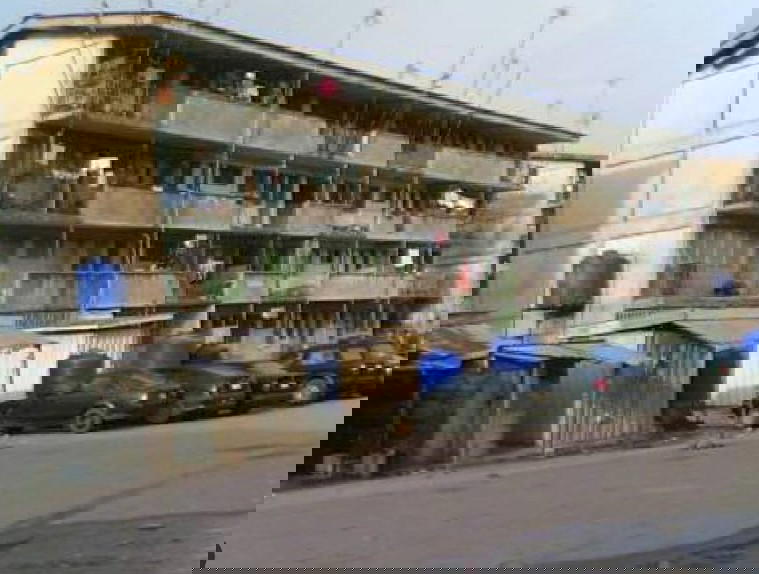
A housing crisis is gripping Nigeria’s cities, and it has nothing to do with war or natural disaster. In Lagos, Abuja, Port Harcourt, Ibadan, Kaduna, and Kano, tenants are receiving rent increase notices that defy logic — jumps of 50, 80, even 100 percent with no renovation, no negotiation, and sometimes no formal notice.
Adaobi, a Lagos mother of two, lived in a two-bedroom flat in Egbeda for four years. Her rent started at ₦750,000, then rose to ₦950,000. Then a WhatsApp message arrived from the agent on a Tuesday morning: “Your rent is now ₦1.8 million. If you can’t pay, vacate before month end.” No paper notice. No explanation. Nearly doubled overnight.
“I read it three times,” she told Vanguard. “I thought maybe it was a mistake. How do you jump from ₦950,000 to ₦1.8 million just like that?”
The System Works Against Tenants
It is not just the amounts. The structure of tenancy in Nigerian cities is designed to squeeze tenants at every turn. Landlords and their lawyers now routinely insist on one-year fixed-term tenancies — a tactic that bypasses the lengthy eviction processes required for periodic tenancies. Each renewal is treated as a brand-new contract, triggering a fresh 10 percent legal fee.
Madam Maureen Okafor, a tenant in Lagos’ Ajao Estate, watched five neighbours leave in three years. Each received sudden notices to quit. When her own rent was increased and she raised concerns, she was handed her own notice. “In this system, tenants are expendable,” she said.
The building she lives in is over 50 years old. No renovation, no improved amenities — just a higher price tag every year.
The Scale of the Problem
Nigeria’s housing deficit stands at 14.9 million units. The country needs 550,000 new housing units every year for the next decade just to close the gap. Funding that would cost over ₦59 trillion, according to World Bank and Bank of Industry estimates.
Only 32.5 percent of urban Nigerians own their homes. More than 49 percent rent. That leaves a huge chunk of the population exposed to rent shocks — especially now that food inflation and transportation costs are also at record highs.
Lagos is moving to cap advance rent payments at three months and tie rent increases to inflation under proposed amendments expected in Q1 2026, with ₦500,000 fines for violations. But enforcement remains a distant prospect in a market where landlords hold all the cards and tenants have limited legal recourse.
Until something structural changes — a national housing policy, stronger tenant protections, or massive affordable housing delivery — millions of Nigerians will keep choosing between paying rent they cannot afford and losing the roof over their heads.
Sources: Vanguard, Nigeria Housing Market, Property Access, Preem & Partners

Written by
Folake Adeyemi
Culture writer covering Afrobeats, Nollywood, fashion, and Nigerian pop culture. Entertainment Editor at NaijaTrend.
You May Also Like
 Lifestyle
Ram Prices Hit ₦700,000 in Kano as Buyers Stay Away Ahead of Eid-el-Kabir
Empty Markets, Full Pens Ram sellers across Kano are staring at one of their slowest pre-Eid seasons in years. With less…
 Lifestyle
Lagos Orders Banks and Eateries to Open Toilets to the Public
Commissioner Tokunbo Wahab says state alone cannot meet sanitation needs The Lagos State government has ordered filling…
 Lifestyle
“BBNaija Left Me With Anxiety and Social Struggles” — Tega Dominic Warns Nigerians About Reality TV Mental Health Toll
Former Big Brother Naija contestant Tega Dominic has issued a stark warning to Nigerians considering participating in th…