Empty Markets, Full Pens
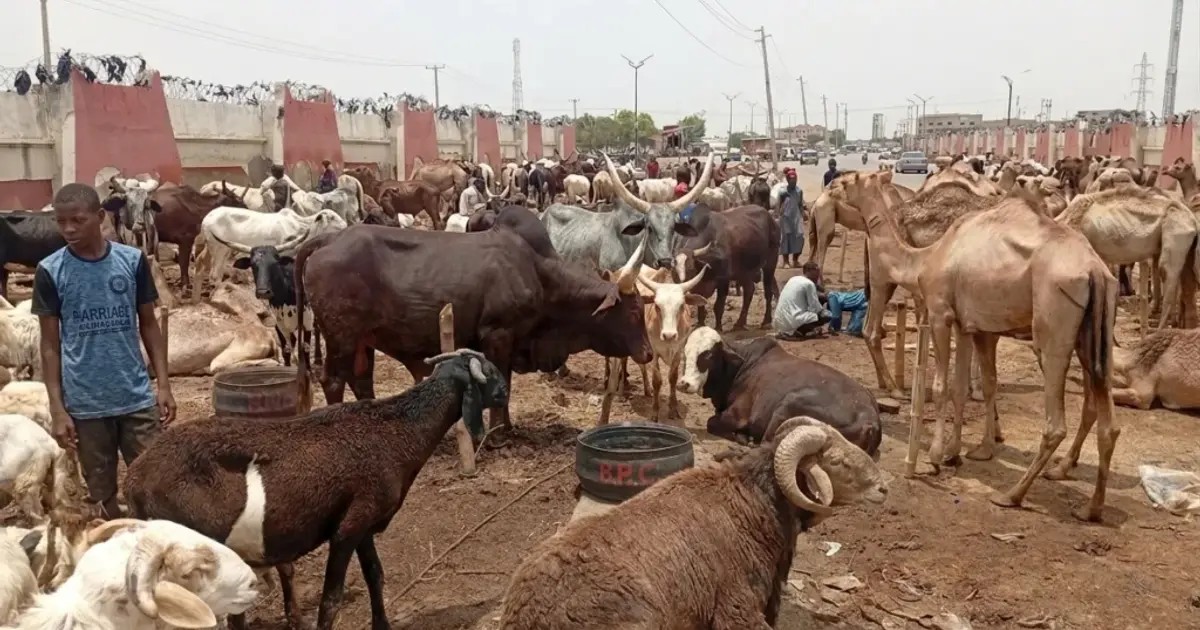
Ram sellers across Kano are staring at one of their slowest pre-Eid seasons in years. With less than a week to Eid-el-Kabir, livestock markets have plenty of animals but very few buyers — the result of prices that have nearly doubled since last year.
A Pulse Nigeria visit to Goron Dutse and Kofar Nai’sa markets found traders sitting idle beside animals no one was buying. Large rams now sell for ₦700,000 and above, medium-sized ones go for between ₦350,000 and ₦500,000, and even the smallest rams start at ₦150,000.
Camels range from ₦500,000 to ₦3 million. Cows and bulls sell for ₦600,000 to ₦3 million depending on size.
Why Prices Have Spiked
Alhaji Bashir Sule-Dantsoho, Chairman of the Animal Dealers Association in Kano State, said the jump in prices comes down to two things: feed and transport.
“Last year, a bag of animal feed sold for between ₦10,000 and ₦13,000. This year, the same product now costs about ₦25,000 per bag,” he said. “Transportation fares have also increased considerably, and all these expenses ultimately affect the final selling price.”
At Kofar Nai’sa market, dealer Kabiru Mustapha said some traders go days without making a single meaningful sale. He told Pulse that many buyers are holding out, hoping prices will crash in the final days before Sallah as traders get desperate to clear their stock.
A Sallah Under Pressure
Eid-el-Kabir is one of the most important celebrations on the Islamic calendar, marking Prophet Ibrahim’s willingness to sacrifice his son in obedience to Allah. Muslims who can afford it slaughter rams, goats, cows, or camels as a religious rite and distribute the meat to family, neighbours, and the less privileged.
But with food inflation stuck above 20 percent and the cost of living biting harder by the month, many families are being forced to skip the sacrifice altogether. Some prospective buyers who spoke to Pulse expressed fear that the rising prices could shut them out of the celebration entirely.
For now, traders are holding their breath — and their prices — hoping the buyers show up before it is too late.
Sources: Pulse Nigeria, Daily Nigerian
Something we should clarify?
Contact the newsroom