Presidency Fires Back at Sanusi: Nigeria Borrowing Billions to Fix Infrastructure, Not to Waste
 Tunde Bakare
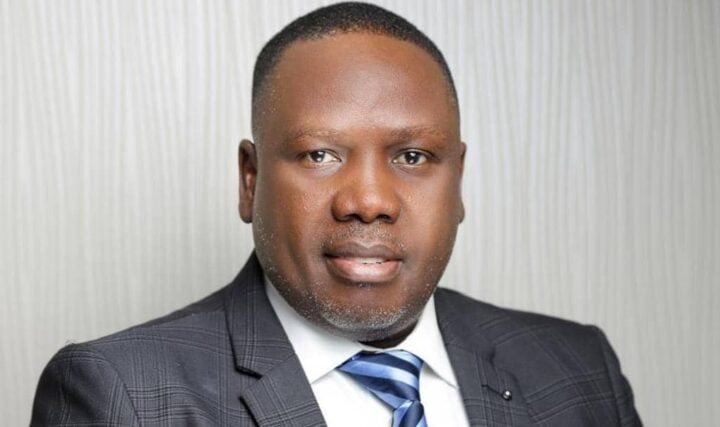
Bwala Pushes Back on Sanusi’s Fiscal Criticism
The Nigerian presidency has fired back at Emir of Kano Muhammadu Sanusi II after the former Central Bank Governor publicly questioned why the Tinubu administration continues to borrow heavily despite removing the fuel subsidy. Presidential aide Daniel Bwala took to X on Friday to defend the government’s debt strategy, framing it as necessary investment rather than fiscal recklessness.
“Your Royal Highness, we are simply borrowing to invest in the most important areas of our economy, with infrastructure being the most crucial of them all,” Bwala wrote, addressing Sanusi directly. He argued that Nigeria requires between $30 billion and $100 billion annually just to fix its infrastructure deficit — far more than current spending levels.
What Sanusi Actually Said
Sanusi’s original remarks struck a nerve because they came from a man who helped design Nigeria’s monetary policy. He argued that the subsidy removal was sold to Nigerians as a path to fiscal sanity — but the expected reduction in borrowing has not followed. The Emir pointed out that Nigeria can no longer justify subsidising foreign refineries as an oil-producing nation, while also noting that progress on domestic refining and exports is economically sound.
His core concern: the savings from scrapping the subsidy should have translated into measurable improvements in Nigeria’s borrowing profile. So far, he said, they have not.
The Credibility Gap
The exchange highlights a tension that has followed Tinubu’s economic programme since day one. Proponents argue that upfront borrowing for infrastructure is a legitimate development strategy. Critics — including Sanusi — say that without clear fiscal benchmarks and visible debt reduction, the subsidy removal looks like a revenue measure that freed up money to borrow more, not less.
Bwala’s response does not directly address Sanusi’s concern about the trajectory of borrowing. It reframes the conversation around investment necessity, but stops short of explaining when and how the debt level will stabilise.
Sources: Daily Post, Arise TV, The Times Nigeria

Written by
Tunde Bakare
Political journalist covering Nigerian politics, the National Assembly, and electoral developments. Political Editor at NaijaTrend.
You May Also Like
 Politics
Akpabio Petitions DSS Over Alleged Anti-North Statement
Senate President Godswill Akpabio has asked the Department of State Services to investigate a statement allegedly attrib…
 Politics
INEC Plans IDP Voting Centres In Nine Plateau LGAs
INEC says it is preparing voting centres for internally displaced persons in nine local government areas of Plateau Stat…
 Politics
Kaduna Ministries Begin 2027 Budget Presentations
Kaduna State ministries have begun presentations for the 2027 budget, with the government saying human capital developme…
 Politics
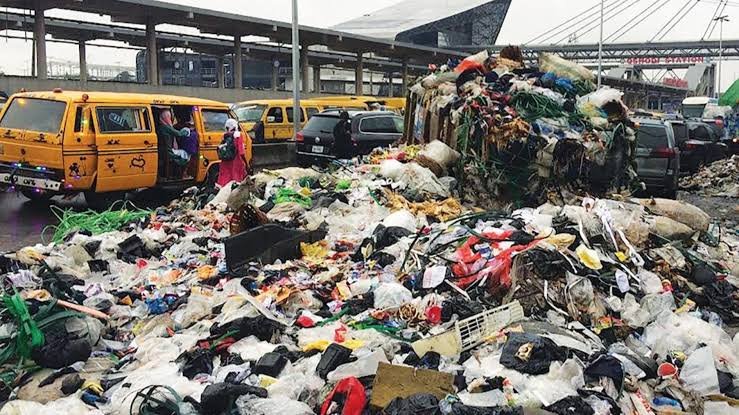
Sanwo-Olu Declares Emergency On Lagos Waste Management
Lagos Governor Babajide Sanwo-Olu has declared a limited emergency on waste management after weeks of pressure on refuse…