Over 400 Nigerians Killed by Accidental Military Bombings Since 2017 — What the Jilli Strike Adds to a Grim Tally
 Claudia Kane
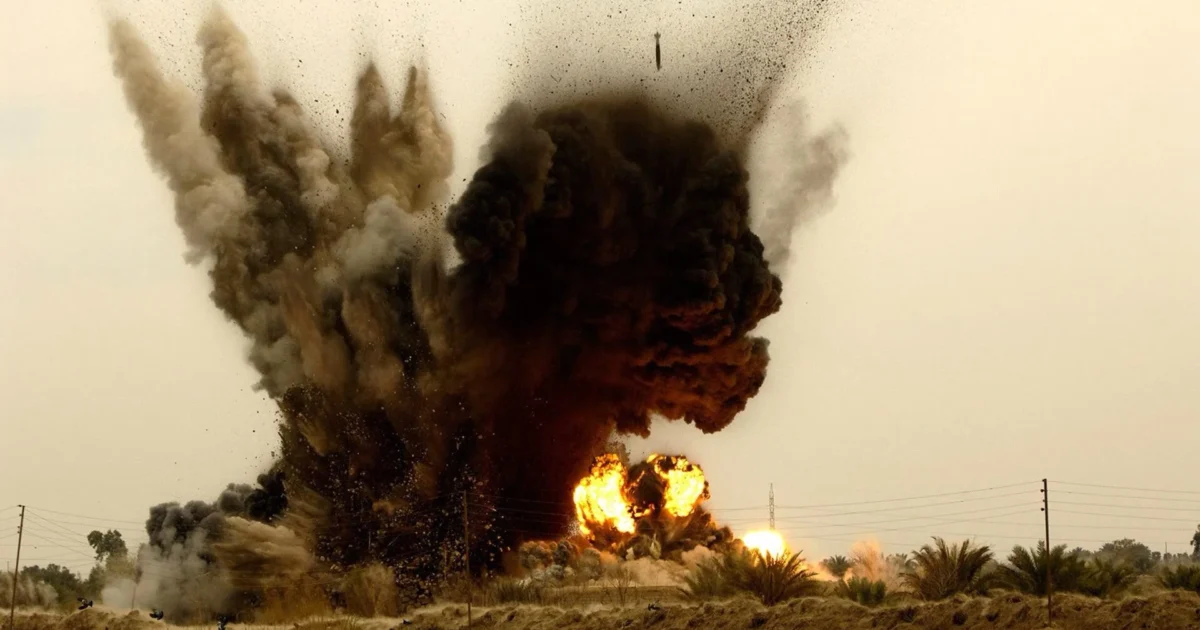
The airstrike on Jilli market that killed dozens of civilians on Saturday was not an isolated event. From 2017 to date, the Nigerian military has been accused of accidentally bombing over 400 unarmed civilians while targeting terrorists and bandits across the north.
Each incident follows the same script: the military says the target was legitimate based on credible intelligence, local authorities confirm civilian casualties, and public outrage forces an investigation. The findings are rarely made public. Then it happens again.
The incidents, by the numbers
January 2017, Rann, Borno State: A Nigerian Air Force jet mistakenly bombed an IDP camp near the Cameroonian border, killing at least 115 people including six Red Cross workers. Over 100 IDPs were injured. It remains the single deadliest accidental military bombing in Nigeria’s history.
December 2022, Mutumji, Zamfara State: An Air Force airstrike killed at least 64 people in Mutumji village. The military said it was targeting bandits, but local accounts said innocent villagers were hit instead.
January 2023, Doma, Nasarawa State: A military airstrike killed about 50 herders in Doma Local Government Area. The Miyetti Allah Cattle Breeders Association said its members were killed while retrieving seized cattle from Benue livestock guards. The then Chief of Air Staff, Hassan Abubakar, visited the site and said the force acted on intelligence about terrorists in the area.
December 2023, Tudun Biri, Kaduna State: A Nigerian Army drone strike hit civilians observing the Muslim Maulud festival. Villagers had gathered for the celebration around 9pm when an aircraft dropped explosives. Amnesty International reported that no fewer than 120 unarmed civilians were killed, making it one of the worst accidental bombings after Rann.
December 2024, Gidan Sama and Rumtuwa, Sokoto State: Military airstrikes targeting the Lakurawa terrorist group mistakenly killed at least 10 villagers in Surame Local Government Area. The military initially denied the claim, but Sokoto State Governor Ahmed Aliyu confirmed the deaths after visiting the scene. The then Chief of Defence Staff, Christopher Musa, later admitted the strike mistakenly hit the communities.
April 2026, Jilli, Borno-Yobe border: The latest and one of the deadliest. The Air Component of Operation HADIN KAI struck what it called a “known terrorist enclave and logistics hub” at Jilli village. Initial reports put the death toll at around 50, but local councillor Lawan Zanna Nur Geidam told Reuters that over 200 people had lost their lives, with bodies still being recovered. The military insists the target was legitimate, describing Jilli as an ISWAP convergence point. Governor Zulum says the market had been closed for five years. Local accounts say trading was underway at the time. If the 200+ figure holds, Jilli would surpass Rann as the deadliest accidental military bombing in Nigeria’s history.
Accountability gap
Sheikh Ahmad Gumi’s demand for Senate hearings into these incidents is not new, but the numbers make it harder to dismiss. Over 400 civilians killed across at least six separate incidents in nine years, with no publicly available investigation findings or accountability measures for any of them.
The military maintains that its targeting process is rigorous and professional. After each incident, it announces investigations. After Jilli, the NAF activated its Civilian Harm Accident and Investigation Cell. But the cycle of incidents, investigations, and silence has worn down public trust.
The Nigerian Air Force has urged the public and media to “refrain from speculation” while the Jilli investigation proceeds. Given the history, many Nigerians are asking whether this investigation will produce anything different from the ones before it.
Sources: Reuters, Daily Post, Punch, Vanguard, Amnesty International, Premium Times

Written by
Claudia Kane
General assignment reporter and News Editor at NaijaTrend. Covers breaking news, security, and national affairs across Nigeria.
You May Also Like
Ondo Investigates Suspected Poisoning After 24 Deaths
Ondo State authorities are investigating the deaths of 24 people in Odigbo Local Government Area after residents reporte…
 News
News
Police Hunt Suspects After Mob Kills Man In Akwa Ibom
Akwa Ibom police say they have begun a manhunt after a mob allegedly beat and set ablaze an unidentified man accused of…
 News
News
Nigerian Army Redeploys Generals, Names New Operation Hadin Kai Commander
The Nigerian Army has redeployed several senior officers and named Major General I. A. Ajose as Theatre Commander of Joi…
 News
News
NDLEA Arrests Fugitive Kingpin Linked To 49.7kg Heroin Shipment
NDLEA says Festus Ibewuike was arrested in Benin Republic and returned to Nigeria after more than two years on the run.