NNPC Tells Court Dangote Cannot Yet Meet Nigeria’s Fuel Demand Alone
 Amina Garba
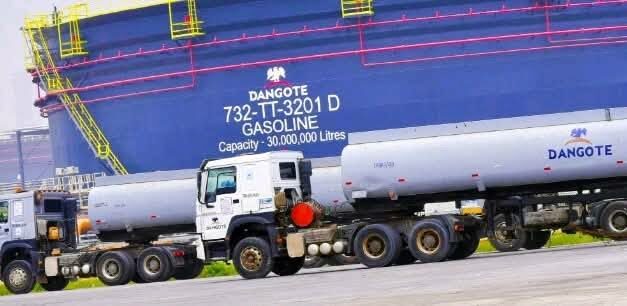
The Nigerian National Petroleum Company, NNPC, has told a Federal High Court in Lagos that Dangote Petroleum Refinery cannot yet prove it can meet Nigeria’s full fuel demand on its own, as the legal fight over import licences moves deeper into court.
Leadership, citing court filings seen by Reuters, and Arise News both reported that NNPC accused Dangote of trying to use the case to squeeze out rival importers and gain too much control over the downstream market.
The dispute is one of the biggest downstream-market fights since the Dangote refinery began shaping fuel supply conversations in Nigeria. At stake is not just who imports fuel, but how quickly regulators should reduce Nigeria’s dependence on imported products.
Import licences are at the centre of the dispute
Dangote filed the suit in April against the Attorney-General of the Federation and the Nigerian Midstream and Downstream Petroleum Regulatory Authority, arguing that continued issuance or renewal of fuel import licences undermines local refining and runs against the Petroleum Industry Act.
The refinery is seeking to stop fresh licences for petrol, diesel and jet fuel imports, insisting imports should only continue where there is a verified domestic supply shortfall.
That argument will appeal to people who want Nigeria to protect domestic refining after years of relying on imported fuel. But NNPC’s position is that protection cannot come at the cost of supply security, especially in a market where any disruption quickly becomes a national problem.
NNPC warns of shortages and price instability
In its defence, NNPC said Dangote has not produced “credible, independent or verifiable evidence” that it can satisfy the country’s total petrol demand or guarantee uninterrupted nationwide supply. It also argued that the law does not impose a blanket import ban and still allows regulators to use licences to stabilise the market.
NNPC’s point is straightforward: if the court blocks imports too early and local output slips, Nigerians will feel it at the pump almost immediately. Dangote, on the other hand, is betting that shielding local refining now is the only way to stop Nigeria from staying addicted to imported fuel.
The court battle goes beyond one company. It will test how Nigeria balances industrial policy with consumer protection, competition, pricing and fuel availability. A ruling that favours Dangote too broadly could shrink competition. A ruling that leaves import licences wide open could weaken the case for local refining investment.
For motorists and businesses, the practical question is simpler: will this fight make fuel supply more stable, or will it create another round of uncertainty in an already sensitive market?
Sources: Leadership, Arise News

Written by
Amina Garba
Financial reporter covering CBN policy, oil and gas, government budgets, and macroeconomic trends. Business Writer at NaijaTrend.
You May Also Like
 Business
NCC Begins Registration Of SIM-Enabled Devices, Targets Illegal Imports
The Nigerian Communications Commission has begun registering and authenticating SIM-enabled devices as it moves to tight…
 Business
NUPRC Threatens Revocation Of Idle Flare Gas Permits
The Nigerian Upstream Petroleum Regulatory Commission has warned that companies sitting on flare gas commercialisation p…
 Business
Reps Begin Probe Into N432bn Oil Revenue Debt
The House Public Accounts Committee is investigating debts owed to NMDPRA by NNPCL and oil marketers after audit finding…
 Business
Appeal Court Upholds Ex-NEXIM Bank MD Roberts Orya’s Fraud Conviction
The Court of Appeal in Abuja has upheld the fraud conviction of Roberts Orya, a former managing director of the Nigerian…