Inflation Reverses Easing Trend, Rises to 15.38% in March — First Increase in a Year
 Amina Garba
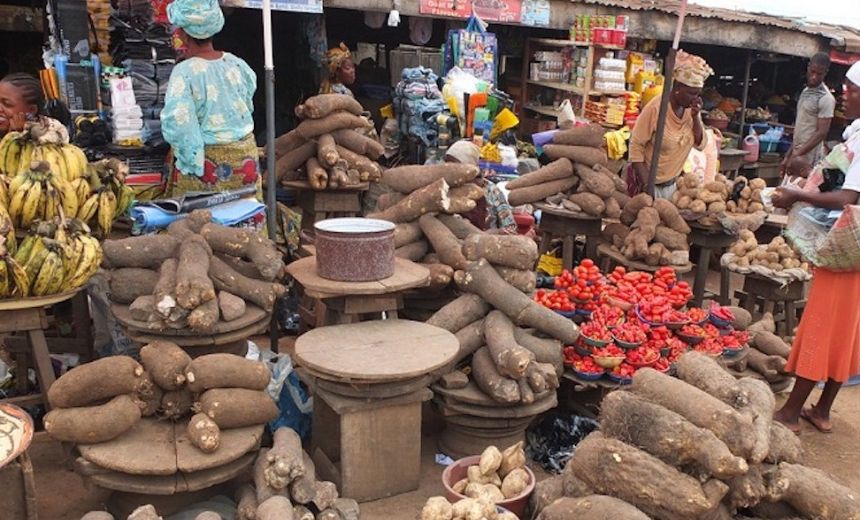
After months of steady decline — from over 33% in late 2024 to 15.06% in February — Nigeria’s headline inflation rate has reversed course, climbing to 15.38% in March 2026 — up from 15.06% in February. The National Bureau of Statistics released the data on April 15, confirming what many economists had feared: the Iran war’s impact on global energy and shipping costs is beginning to feed through to Nigerian prices.
The Consumer Price Index rose to 135.4 in March, a 5.4-point jump from 130.0 in February. Month-on-month inflation surged to 4.18%, more than double February’s 2.01% — meaning prices are rising faster than just a month ago.
The Food and Transport Story
Food inflation told a mixed story. Year-on-year, it stood at 14.31% — lower than March 2025’s 25.22%, reflecting the base effect of last year’s crisis. But month-on-month, food inflation was 4.17%, only slightly below February’s 4.69%, with the NBS attributing continued pressure to the prices of yam, cassava, tomatoes, groundnuts, and dried ogbono.
Transport and accommodation costs were the other key drivers. With fuel prices elevated due to the subsidy removal and the Iran war disrupting global oil supplies, the cost of moving goods and people continues to rise. Rural inflation at 17.22% significantly outpaces urban inflation at 14.64% — a gap that reflects the structural disadvantage of communities far from supply centres.
The World Bank Warning
The World Bank has warned that the Iran war’s impact on global oil prices could add an additional 3.1 percentage points to headline inflation under full pass-through. That would push inflation above 18% — a level not seen since the worst of the currency crisis. If the Hormuz blockade continues and oil prices remain elevated, the current reversal may be just the beginning.
The Policy Dilemma
For the CBN, this is a nightmare scenario. The bank has been tightening monetary policy to bring inflation down, and it was working — until it didn’t. Cutting rates now would risk fuelling inflation further; keeping them high chokes credit and investment. The IMF’s growth downgrade to 4.1% adds another dimension: slower growth plus rising inflation is the classic stagflation trap.
For ordinary Nigerians, the numbers are academic. What matters is the price of rice at the market, the cost of transport to work, and whether this month’s salary will stretch as far as last month’s. On that measure, March was worse than February. And April may be worse still.
Sources: Punch, Vanguard, Guardian Nigeria, NBS

Written by
Amina Garba
Financial reporter covering CBN policy, oil and gas, government budgets, and macroeconomic trends. Business Writer at NaijaTrend.
You May Also Like
 Business
NCC Begins Registration Of SIM-Enabled Devices, Targets Illegal Imports
The Nigerian Communications Commission has begun registering and authenticating SIM-enabled devices as it moves to tight…
 Business
NUPRC Threatens Revocation Of Idle Flare Gas Permits
The Nigerian Upstream Petroleum Regulatory Commission has warned that companies sitting on flare gas commercialisation p…
 Business
Reps Begin Probe Into N432bn Oil Revenue Debt
The House Public Accounts Committee is investigating debts owed to NMDPRA by NNPCL and oil marketers after audit finding…
 Business
Appeal Court Upholds Ex-NEXIM Bank MD Roberts Orya’s Fraud Conviction
The Court of Appeal in Abuja has upheld the fraud conviction of Roberts Orya, a former managing director of the Nigerian…