NERC Plans Electricity Tariff Hike for All Bands — A, B, C and D
 Amina Garba
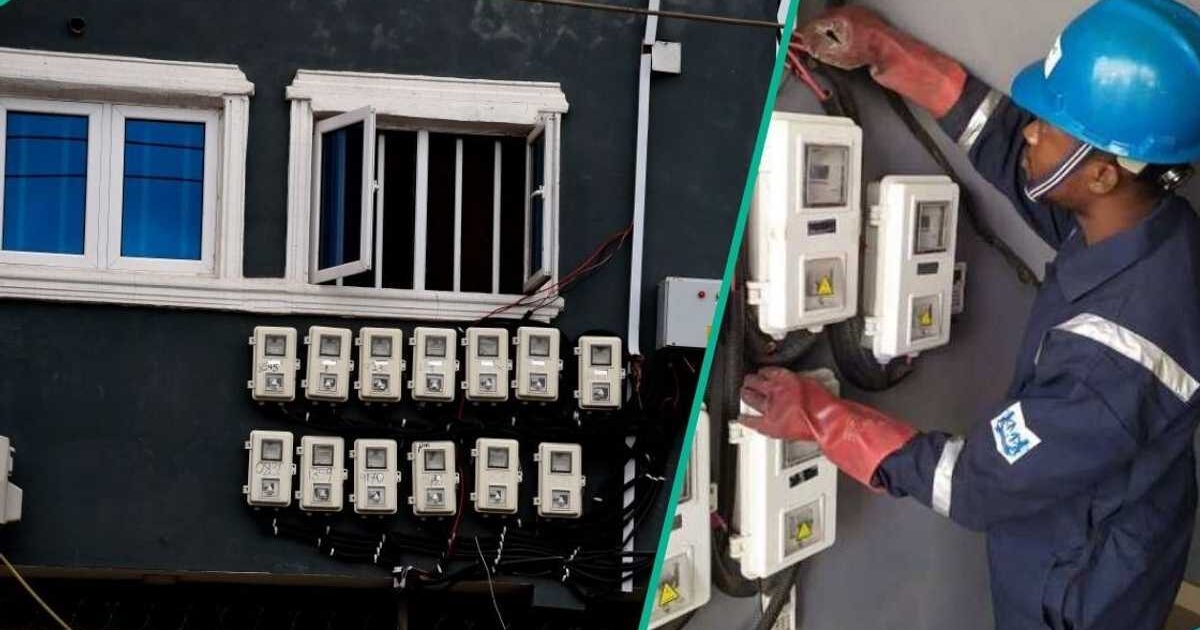
Nigerians may soon face another electricity tariff hike. The Nigerian Electricity Regulatory Commission (NERC) has signalled it is reviewing electricity tariffs across all customer bands — A, B, C, and D — citing rising operational costs in the power sector.
NERC announced the review on its official X (formerly Twitter) account on Monday, May 11, 2026, assuring consumers that any adjustment planned would be aimed at improving service delivery and protecting customer rights.
All Bands on the Table
Unlike the 2024 tariff hike, which hit only Band A customers and pushed rates above N200 per kilowatt-hour, the current review appears to target the full spectrum of customer bands. Bands B, C, D, and E have largely remained under older pricing structures, but that may be about to change.
According to Pulse Nigeria, rising generation costs, gas supply expenses, exchange rate pressures, and mounting debts owed to power generation companies (GenCos) are among the factors driving the review. Power companies have repeatedly argued that current tariffs are not sustainable given their operational realities.
The possible increase is tied to NERC’s Multi-Year Tariff Order framework — a periodic pricing review mechanism that adjusts electricity rates based on economic conditions and sector performance.
What NERC Said
The commission did not announce a specific percentage increase or a rollout date in its social media post. Instead, it framed the review as a necessary step toward better service, asking Nigerians to be patient while it works through the process.
Legit.ng reported that the commission emphasised consumer rights would be a core part of any tariff adjustment plan — a reassurance that will likely do little to ease public anxiety, given how much electricity already costs in a country where power supply remains deeply unreliable.
The Bigger Picture
For context: Band A customers in Nigeria are supposed to receive at least 20 hours of electricity per day. Many report getting far less. The irony of paying more for power that rarely arrives is not lost on Nigerian consumers, who have been caught between surging food prices, a weakened naira, and inadequate social support for the better part of two years.
NERC also recently revised energy caps for distribution companies and introduced new transmission regulations in a bid to cut losses across the national grid — steps that could, in theory, eventually improve service. But for now, the prospect of higher bills is the headline.
Minister of Power Adebayo Adelabu has not yet publicly commented on the planned tariff review.
Sources: Pulse Nigeria, Legit.ng

Written by
Amina Garba
Financial reporter covering CBN policy, oil and gas, government budgets, and macroeconomic trends. Business Writer at NaijaTrend.
You May Also Like
 Business
Otedola Buys N77.6bn First HoldCo Shares, Raises Stake To 21.95%
Femi Otedola has bought another large block of First HoldCo shares, raising his stake in the banking group to 21.95 per…
 Business
NAFDAC Seizes Edible Oil Tankers Found Carrying Diesel In Lagos
NAFDAC has seized two tankers meant for edible vegetable oil after they were found carrying diesel in Lagos. The agency…
 Business
CREDICORP Launches CLICKD Laptop Credit Scheme With 3MTT Programme
The Nigerian Consumer Credit Corporation has launched the CLICKD scheme with the Federal Government’s 3MTT programme to…
 Business
NUPRC Awards 37 Oil Blocks To 31 Companies, Warns Against Delays
The Nigerian Upstream Petroleum Regulatory Commission has named 31 companies as winners of 37 oil and gas blocks in the…