Labour Protests As Senate Moves To Expedite State Police Bill Over Insecurity
 Tunde Bakare
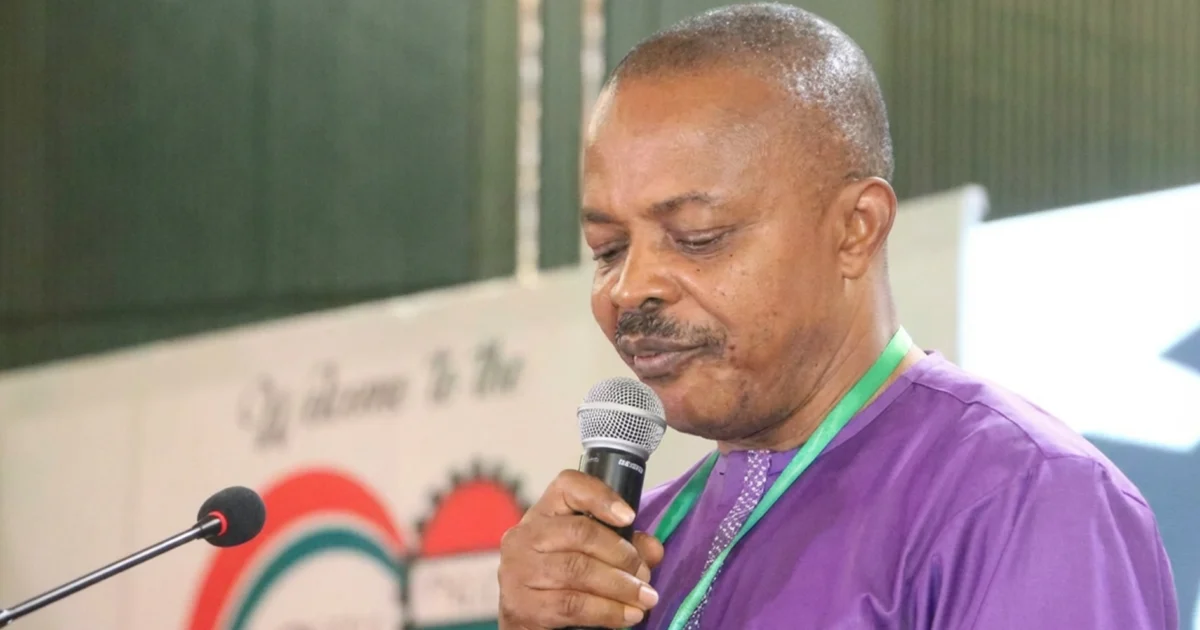
Labour groups and civic voices returned to the national security debate on June 9 as the Senate moved to give fresh urgency to the state police bill over worsening insecurity across parts of the country.
The latest push is being reported as a Senate update for this week, with lawmakers expected to consider and fast-track further work on proposals that would allow states to establish their own police formations under a reworked constitutional and operational arrangement. The renewed attention comes as labour organisations stage protests and press the federal government and National Assembly to treat insecurity as an economic and social emergency, not only a political argument.
Reports by The Guardian and Daily Trust indicate that the Senate’s renewed timetable is being shaped by growing public frustration with the centralised security structure, especially in communities where kidnappings, attacks and delayed response times have become recurring complaints. Labour leaders and allied groups have argued that workers cannot be productive, schools cannot remain stable and local economies cannot recover when families are forced to live with fear of abduction or sudden violence.
Why the debate has returned this week
The immediate context is different from earlier discussions that focused mainly on the broad constitutional framework for state police. This June 9 update is tied to pressure from the streets and a fresh legislative signal from the Senate that the bill could receive accelerated attention this week.
Recent abductions and attacks in Oyo, Plateau and Borno have strengthened calls for security decisions to be closer to affected communities. In Oyo, reports of abductions have renewed anxiety over highways and rural settlements. In Plateau, repeated violence has kept residents and workers on edge. In Borno, the persistence of insurgency-linked threats continues to expose the limits of relying solely on centrally deployed security personnel across vast and difficult terrain.
Supporters of state police say governors and local authorities often understand the geography, language and conflict patterns in their areas better than a distant federal command. They argue that a properly regulated state policing system could improve intelligence gathering, shorten response times and create clearer accountability for security at the sub-national level.
Labour’s wider concern
For labour groups, the issue goes beyond police structure. Insecurity affects wages, transport costs, food prices, farm output, school attendance and the ability of workers to move safely. Where farmers are displaced or traders avoid certain routes, inflationary pressure increases. Where teachers, health workers and civil servants fear travel, public services suffer.
Labour’s protest message, as reflected in reports around the June 9 demonstrations, is that the government must match legislative promises with urgent protection for citizens. The groups are also warning that any state police model must include safeguards against political abuse, underfunding and uneven standards across states.
Questions before the Senate
As the Senate moves to expedite consideration, key questions remain. Lawmakers will have to address recruitment standards, funding, command control, oversight, inter-state operations and the relationship between state police, the Nigeria Police Force and other security agencies.
There are also concerns that financially weaker states may struggle to maintain effective police services without federal support. Civil society groups have similarly warned that state police must not become a tool for intimidating opponents, suppressing protests or protecting political interests.
Still, the latest labour action has added urgency to a debate that many Nigerians see as unavoidable. With insecurity touching homes, farms, schools, markets and workplaces, the Senate’s handling of the bill this week will be closely watched as a test of whether national institutions are responding quickly enough to public pressure.
Sources: Guardian, Daily Trust

Written by
Tunde Bakare
Political journalist covering Nigerian politics, the National Assembly, and electoral developments. Political Editor at NaijaTrend.
You May Also Like
 Politics
Minority Lawmakers Walk Out As Reps Pass State Police Bill
Minority lawmakers in the House of Representatives walked out after accusing the leadership of mishandling the passage o…
 Politics
Senate Warns MDAs Over Ignoring Oversight Invitations
The Senate has warned ministries, departments, agencies and government-owned enterprises that ignoring National Assembly…
 Politics
Timi Frank Asks Presidency To Publish Trump Letter To Tinubu
Former APC deputy national publicity secretary Timi Frank has asked the Presidency to publish the full letter it says Un…
 Politics
Atiku Faults Tinubu Over ₦22.15bn Palace Projects For Monarchs
Atiku Abubakar has criticised President Bola Tinubu over a reported ₦22.15bn allocation for palace projects for traditio…