Kenya has confirmed four additional cases of Bundibugyo Ebola, including three healthcare workers, bringing the country’s total to seven confirmed cases, including one death.
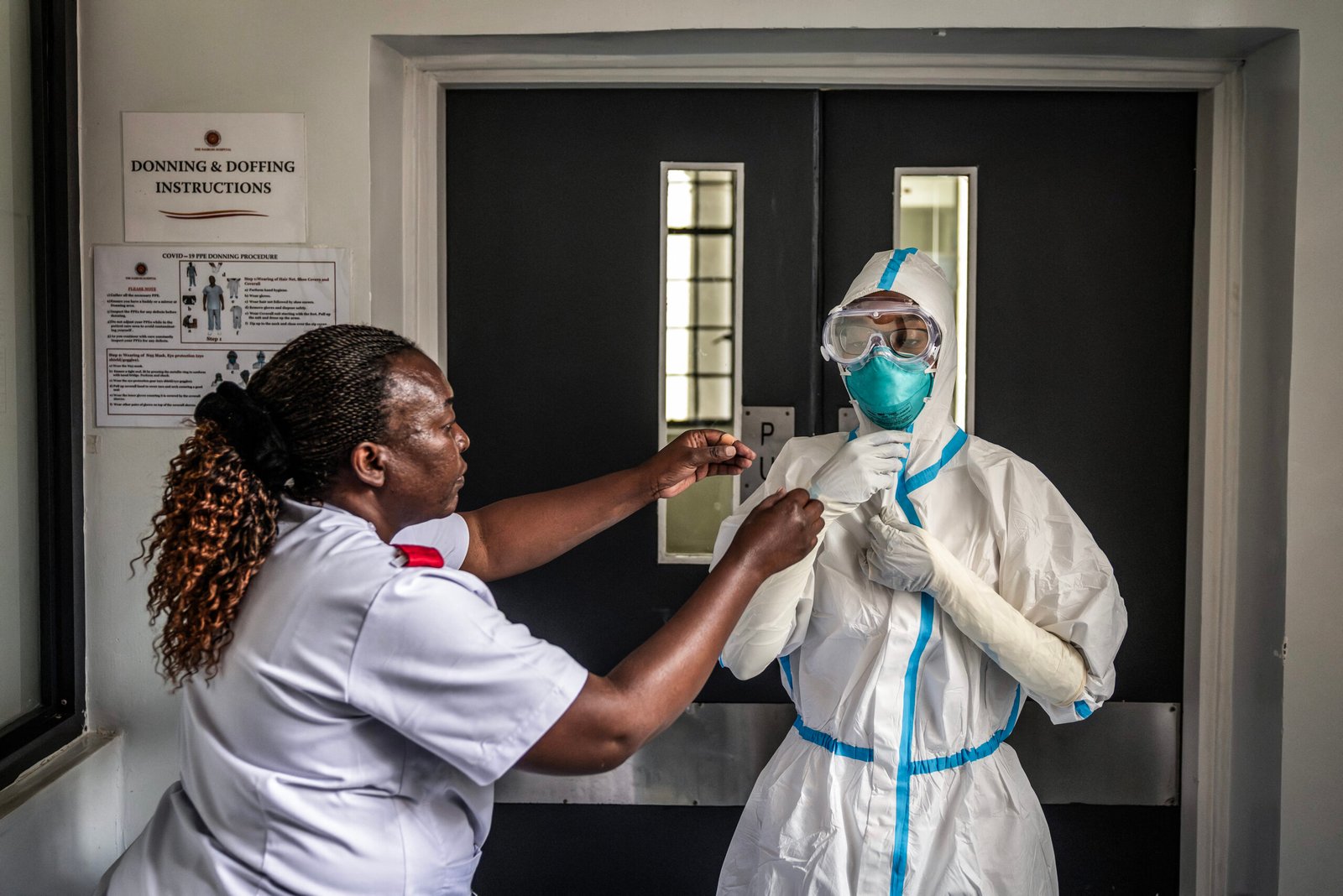
All four new patients were already in quarantine after exposure to the first confirmed case. They comprise three healthcare workers and one family member, and are receiving supportive care at a designated treatment facility.
Authorities have traced and quarantined 128 of the 130 identified contacts, while efforts continue to locate the remaining two.
The Africa Centres for Disease Control and Prevention confirmed the figures in a statement dated October 17, citing Kenya’s Ministry of Health. The ministry has reported no evidence of community transmission at this stage.
Africa CDC said it was supporting Kenya’s response through surveillance, technical coordination, risk communication and community engagement. It also called for protective equipment, training and infection-prevention measures to safeguard healthcare workers caring for affected patients.
The new cases follow two infections confirmed on October 14 and 16. In its October 16 update, the World Health Organization said those patients were close family members of Kenya’s first case and had also developed symptoms while in quarantine.
The first patient had returned to Kenya from the Democratic Republic of Congo and died on October 5, according to WHO. Kenya’s response is taking place alongside the continuing Ebola outbreak in the DRC.
The Nigeria Centre for Disease Control and Prevention had earlier reviewed its Ebola preparedness after Kenya confirmed the imported case, as reported here.
Ebola spreads through direct contact with an infected person’s blood or other bodily fluids, or with contaminated materials. WHO says it is not airborne and people cannot transmit it before they develop symptoms.
There is no licensed vaccine or specific treatment for the Bundibugyo virus, WHO said in its October 16 update. Supportive care, including fluids to prevent dehydration and treatment of symptoms, can improve a patient’s chances of survival.
Africa CDC urged people to follow national health guidance and report symptoms promptly. For information and guidance in Kenya, it directed the public to the Ministry of Health’s toll-free line, 719.
Sources: Africa CDC, World Health Organization
Something we should clarify?
Contact the newsroom