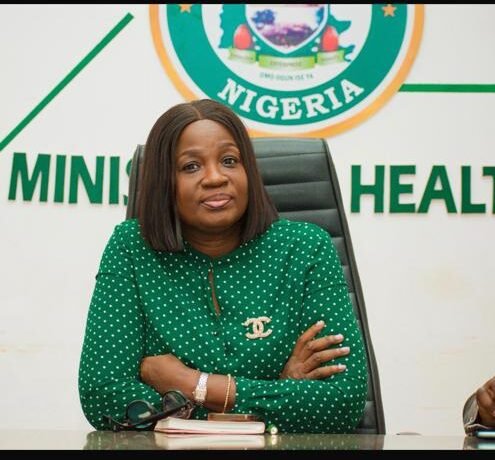
The Nigeria Centre for Disease Control and Prevention is reviewing the country’s Ebola risk and preparedness measures after Kenya confirmed an imported case linked to the outbreak in the Democratic Republic of Congo.
In a statement signed by Director-General Jide Idris, the agency said no Ebola case had been confirmed in Nigeria as of October 6, 2026. It warned that travel and population movement could bring the virus into the country.
The Kenyan case involved the Bundibugyo virus. The patient had been living in the DRC, travelled by road to Kampala in Uganda and then flew to Nairobi, where they were isolated and tested positive. The patient subsequently died, according to the NCDC account reported by Vanguard.
The agency said its preparations with the Federal Ministry of Health and Social Welfare, Port Health Services and state governments have covered early detection, isolation and referral, laboratory testing, infection prevention, contact tracing and protection of health workers. It has also held a national tabletop simulation exercise to test response arrangements.
Nigeria had earlier tightened surveillance in response to the DRC outbreak, as reported here.
The NCDC advised travellers leaving affected areas to monitor their health for 21 days. Anyone who develops symptoms should avoid unnecessary contact with others, seek care at a recognised health facility and disclose recent travel and possible exposure.
Health workers were told to consider Ebola in patients with compatible symptoms and relevant travel or exposure in the previous 21 days, rather than waiting for bleeding. The agency advised immediate isolation of suspected cases, appropriate protective equipment and notification through established public-health surveillance channels.
For the public, the NCDC recommended regular handwashing or alcohol-based hand sanitiser, avoiding contact with the blood or body fluids of sick people and avoiding contact with bodies of people who died from unknown illnesses. It also advised against handling sick or dead wild animals and eating raw or poorly cooked bushmeat.
Sources: Vanguard, Daily Post, Premium Times
Something we should clarify?
Contact the newsroom