Iran Closes Strait of Hormuz Again as Ceasefire Deadline Looms
 Claudia Kane
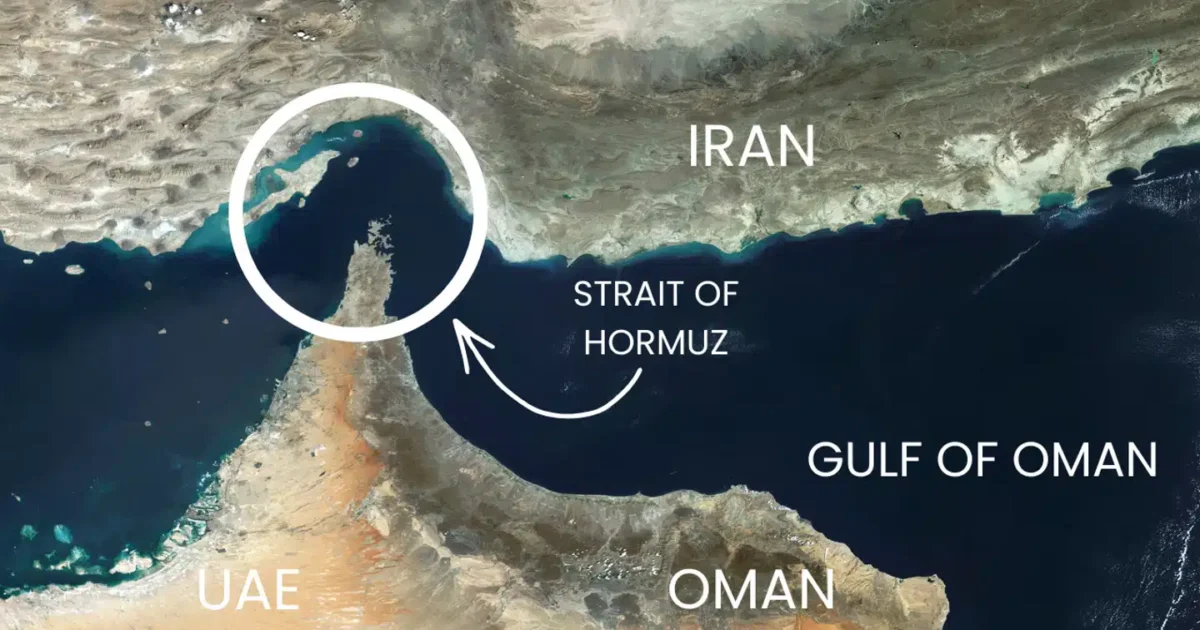
Hormuz Shuts Again as Ceasefire Clock Ticks
Iran has reimposed control over the Strait of Hormuz, closing the strategic waterway just hours after reopening it, throwing global energy markets back into turmoil and casting doubt on US President Donald Trump’s claim that a deal to end the conflict was “very close.”
State television quoted the military command as saying the waterway was back under “strict management and control of the armed forces,” describing the move as a direct response to an ongoing US naval blockade of Iranian ports.
Ships Scramble as Conflicting Signals Fly
Maritime tracking sites showed several commercial vessels moving quickly through the narrow passage after the brief reopening. Some ships sailed close to Iranian territorial waters and broadcast Indian or Chinese identities to signal neutrality. By mid-morning GMT, at least eight oil and gas tankers had crossed, while several others appeared to turn back.
The confusion was compounded by Iran’s own Foreign Minister Abbas Araghchi, who offered a contrasting position, saying the strait remained “completely open” to commercial vessels operating in line with the Lebanon ceasefire. Trump, meanwhile, insisted the US naval blockade “will remain in full force” until “our transaction with Iran is 100 percent complete,” without elaborating on what that transaction entailed.
What This Means for Nigeria
The Strait of Hormuz handles roughly a fifth of the world’s oil and liquefied natural gas. Any sustained closure hits Nigeria directly, both as an oil exporter competing in a volatile market and as a fuel-importing nation where pump prices track global crude movements closely. The initial Hormuz blockade earlier this month drove Nigerian crude to $113 per barrel and pushed petrol prices higher; this second closure threatens to undo the brief relief that came with the short-lived reopening.
Mediation led by Pakistan has intensified, with army chief Asim Munir visiting Tehran and Prime Minister Shehbaz Sharif travelling across the Middle East to support talks. Egypt has also said a final agreement could be reached in the coming days. Four days remain before the two-week ceasefire in the conflict expires.
Sources: Daily Trust, NaijaNews

Written by
Claudia Kane
General assignment reporter and News Editor at NaijaTrend. Covers breaking news, security, and national affairs across Nigeria.
You May Also Like
Ondo Investigates Suspected Poisoning After 24 Deaths
Ondo State authorities are investigating the deaths of 24 people in Odigbo Local Government Area after residents reporte…
 News
News
Police Hunt Suspects After Mob Kills Man In Akwa Ibom
Akwa Ibom police say they have begun a manhunt after a mob allegedly beat and set ablaze an unidentified man accused of…
 News
News
Nigerian Army Redeploys Generals, Names New Operation Hadin Kai Commander
The Nigerian Army has redeployed several senior officers and named Major General I. A. Ajose as Theatre Commander of Joi…
 News
News
NDLEA Arrests Fugitive Kingpin Linked To 49.7kg Heroin Shipment
NDLEA says Festus Ibewuike was arrested in Benin Republic and returned to Nigeria after more than two years on the run.