IMF Warns Nigeria Over Unrealistic Budgets and Widening Fiscal Deficits
 Amina Garba
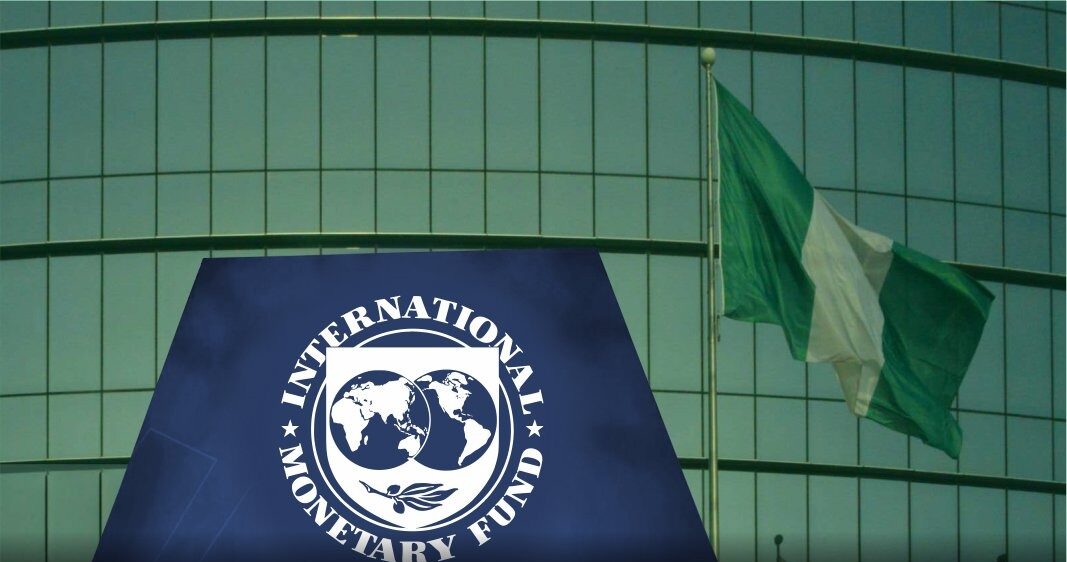
The International Monetary Fund has called out Nigeria and other Sub-Saharan African countries for building national budgets on revenue assumptions they consistently fail to meet — and said this pattern is directly responsible for widening fiscal deficits across the region.
In a research paper published this week, the IMF found that governments are setting spending plans that look ambitious on paper but fall apart during execution. The result: deficits keep growing, debt keeps climbing, and the gap between what governments promise and what they deliver keeps widening.
Nigeria’s budget credibility problem
For Nigeria, the findings arrive at an uncomfortable moment. The country’s N58.18 trillion 2026 budget was already under scrutiny before the IMF report, with debt servicing alone consuming nearly half of expected revenue. When the fund says budgets are built on “unrealistic revenue assumptions,” the target is clear — Nigeria has repeatedly missed its oil production targets, which underpin the bulk of government revenue projections every year.
The IMF warned that persistent budget credibility failures erode investor confidence and limit governments’ ability to fund essential services. Countries that cannot convince markets their numbers are real face higher borrowing costs — which then makes the deficit problem worse. It is a cycle Nigeria knows well.
A warning Nigeria has heard before
This is not the first time the IMF has raised concerns about Nigeria’s fiscal management. What makes this report different is the regional framing — Nigeria is named as part of a systemic problem across Sub-Saharan Africa, where commodity-dependent budgets are especially vulnerable to revenue shortfalls. When oil prices disappoint or production lags, spending plans unravel, and governments typically respond by borrowing more rather than cutting expenditure.
The IMF is pushing African governments to adopt more conservative revenue forecasting, strengthen budget oversight institutions, and improve the link between spending plans and actual cash flow.
Nigeria’s 2026 budget, which projects revenue of N34.33 trillion against N58.18 trillion in spending, already has a structural deficit baked in. The IMF’s message is that without more credible numbers underpinning that plan, the fiscal position will continue to deteriorate — particularly heading into a politically charged 2027 election cycle where spending pressures tend to rise.
Sources: Leadership, The Trumpet

Written by
Amina Garba
Financial reporter covering CBN policy, oil and gas, government budgets, and macroeconomic trends. Business Writer at NaijaTrend.
You May Also Like
 Business
NCC Begins Registration Of SIM-Enabled Devices, Targets Illegal Imports
The Nigerian Communications Commission has begun registering and authenticating SIM-enabled devices as it moves to tight…
 Business
NUPRC Threatens Revocation Of Idle Flare Gas Permits
The Nigerian Upstream Petroleum Regulatory Commission has warned that companies sitting on flare gas commercialisation p…
 Business
Reps Begin Probe Into N432bn Oil Revenue Debt
The House Public Accounts Committee is investigating debts owed to NMDPRA by NNPCL and oil marketers after audit finding…
 Business
Appeal Court Upholds Ex-NEXIM Bank MD Roberts Orya’s Fraud Conviction
The Court of Appeal in Abuja has upheld the fraud conviction of Roberts Orya, a former managing director of the Nigerian…