FG Denies ₦8tn Off-Budget Spending Claim, Says IMF Report Misrepresented
 Tunde Bakare
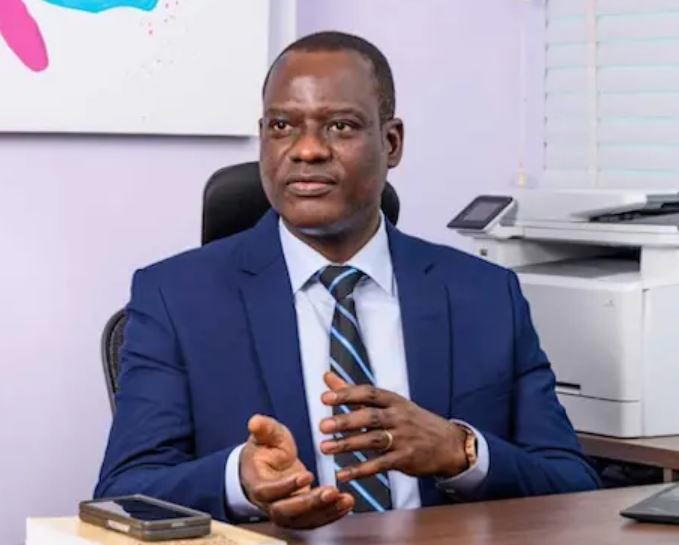
The Federal Government has denied claims that it spent more than ₦8tn outside the approved budget, saying the controversy misrepresents comments linked to the International Monetary Fund’s 2026 Article IV Consultation Report.
The rebuttal gives the administration’s formal response to a spending dispute that had already drawn criticism from opposition figures, including Peter Obi’s demand for accountability reported here.
Finance Minister Taiwo Oyedele said in a statement on Sunday that the government does not run a shadow budget and does not spend public funds outside the constitutional and statutory framework for public finance.
He said sections 80 to 83 and 162 of the 1999 Constitution, as amended, require public funds to be withdrawn and spent only in line with the Constitution and laws passed by the National Assembly.
According to the minister, federal spending is carried out through Appropriation Acts, Supplementary Appropriation Acts and other statutory authorisations approved by lawmakers.
Oyedele also said multi-year capital projects can run across more than one budget cycle under approved rollover provisions, and should not be treated as spending outside the budget.
“The Federal Government does not operate a shadow budget or expend public funds outside the constitutional and statutory framework established for public finance,” Oyedele said.
He challenged critics of the alleged ₦8tn off-budget spending to identify specific projects executed without appropriation or legal authority and to provide evidence.
The ministry said statutory transfers, first-line charges, development commission allocations, revenue collection costs retained by designated agencies, debt service obligations and special interventions approved under law are all part of the public finance framework.
The government also argued that differences in how some items are presented under international fiscal reporting standards should not be treated as proof of illegal spending.
Oyedele rejected the suggestion that the figure automatically means Nigeria’s fiscal deficit has increased, saying deficits are determined by the relationship between total revenue and total expenditure, not by public commentary around approved projects.
Sources: Vanguard, Daily Trust, Punch, Premium Times, Channels TV

Written by
Tunde Bakare
Political journalist covering Nigerian politics, the National Assembly, and electoral developments. Political Editor at NaijaTrend.
You May Also Like
 Politics
Akpabio Petitions DSS Over Alleged Anti-North Statement
Senate President Godswill Akpabio has asked the Department of State Services to investigate a statement allegedly attrib…
 Politics
INEC Plans IDP Voting Centres In Nine Plateau LGAs
INEC says it is preparing voting centres for internally displaced persons in nine local government areas of Plateau Stat…
 Politics
Kaduna Ministries Begin 2027 Budget Presentations
Kaduna State ministries have begun presentations for the 2027 budget, with the government saying human capital developme…
 Politics
Sanwo-Olu Declares Emergency On Lagos Waste Management
Lagos Governor Babajide Sanwo-Olu has declared a limited emergency on waste management after weeks of pressure on refuse…