FG Tells Nigerians in South Africa to Shut Down Businesses as Xenophobia Erupts
 Claudia Kane
The Nigerian government has told its citizens running businesses in South Africa to close their shops temporarily as anti-foreigner violence spreads across major cities. The warning is serious — protests have turned violent in East London, Cape Town, Durban and parts of KwaZulu-Natal, with reports of looting, injuries and attacks on foreign-owned businesses.
What NiDCOM is saying
The Nigerians in Diaspora Commission (NiDCOM) issued the safety alert on Friday, April 25, citing intelligence from the Nigerian Consulate General in Johannesburg (Ref No: CGJHB/AD/209/VOL I), dated April 22, 2026. The commission is urging Nigerians to stay away from flashpoints and avoid engaging with protest groups.
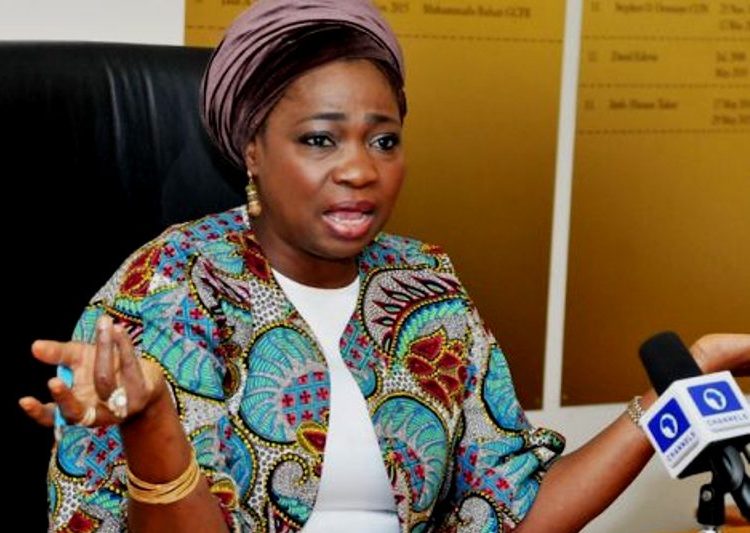
Abdur-Rahman Balogun, NiDCOM’s Head of Media, Public Relations and Protocols, made the government’s position clear: “We have told them (Nigerians) to shut down their businesses temporarily and always follow the rules and regulations of their host country. It is just an appeal, reminding them of their responsibilities. They are citizens of Nigeria; they have to show leadership, obedience to constituted authority, and project a good image of the country.”
The commission specifically advised business owners to shut their shops on Freedom Day, April 27, and to remain closed on April 28 and 29. Intelligence points to more protests being planned in Gauteng Province between those dates. Evacuation, the commission stressed, is not on the table — yet.
“Until that time comes. It must happen before we evacuate. What we are doing for now is to advise Nigerians living in South Africa, and I don’t think the situation will degenerate to that level,” Balogun said.
Nigerians on the ground are scared
Smart Nwobi, President-General of Nigerians in South Africa, says the situation is deeply troubling. “It really calls for concern. We have told people to refrain from going to flashpoints or stay indoors. They are taking out their anger on the wrong people instead of holding their government accountable for unemployment and other challenges,” he said.
Nwobi described the scale of the Nigerian community in South Africa: “Nigerians are large in numbers. Out of five Africans, Nigerians will be three. After Zimbabwe, we are in the majority.” He is calling on President Tinubu and the National Assembly to urgently engage South African authorities and summon South Africa’s ambassador to explain why Nigerians are being targeted while South Africans live peacefully in Nigeria.
Viral videos circulating online show the hostility on the streets. In one clip, a woman confronted a Ghanaian national: “This thing of moving from one country to another is no longer working. We don’t want these African people anymore. We want you to fix your countries.” In another disturbing clip, a South African man was actually assaulted after being mistaken for a foreigner — showing just how indiscriminate the attacks have become.
Ghana has also had enough
Nigeria isn’t the only country pushing back. Ghana summoned South Africa’s acting High Commissioner, Thando Dalamba, over what it called “acts of intimidation and harassment” against Ghanaians. Ghana’s Foreign Affairs Minister Samuel Okudzeto Ablakwa described the incidents as xenophobic and said South Africa’s Foreign Minister Ronald Lamola promised a full investigation.
South African Acting Police Minister Firoz Cachalia issued a warning of his own: “Acts of xenophobia, violence, looting, or intimidation will not be tolerated under any circumstances. The #SAPS has been instructed to act decisively and without hesitation in addressing these incidents.” His ministry added that those inciting violence will be identified, arrested and prosecuted.
The current crisis is rooted in long-running tensions over unemployment, crime and immigration — tensions that anti-immigrant groups like Operation Dudula and March on March have been actively stoking. This week’s protests follow attacks that broke out last month after Nigeria’s Igbo community in East London crowned a traditional leader — an event that some South Africans used as a flashpoint to target foreigners.
For Nigerians still in South Africa, the message from Abuja is simple: lock up and stay safe.
Sources: SaharaReporters, ICIR Nigeria

Written by
Claudia Kane
General assignment reporter and News Editor at NaijaTrend. Covers breaking news, security, and national affairs across Nigeria.
You May Also Like
 News
News
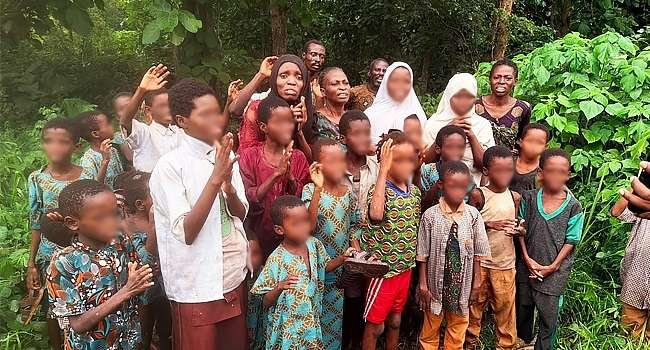
DSS To Appeal Life Sentences In Oyo School Abduction Case
The Department of State Services says it will challenge the life sentences handed to three men linked to the abduction o…
 News
News
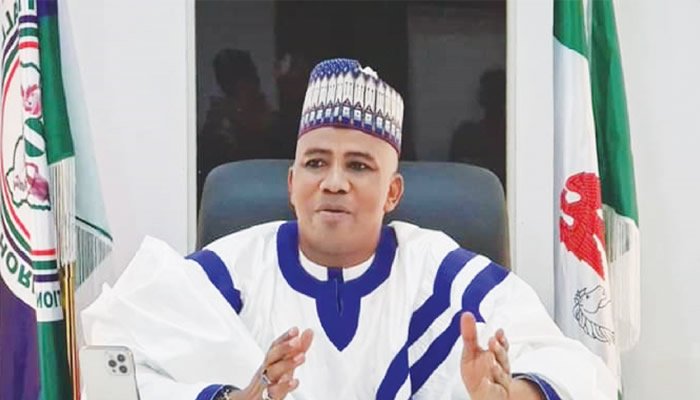
Court Declines Immediate Review Of Bello Bodejo’s ₦2bn Bail Terms
A Federal High Court in Abuja has declined to immediately hear Bello Bodejo’s request to review the ₦2 billion bail cond…
 News
News
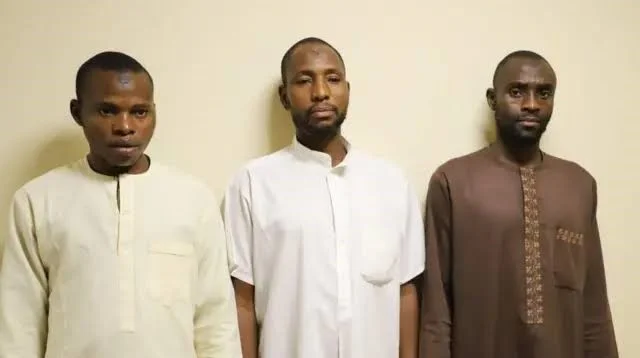
Court Sentences Three To Life Over Oyo School Abduction
Three men linked to the Oyo school abduction case have been sentenced to life imprisonment by the Federal High Court in…
 News
News
Four Abducted Zamfara Polytechnic Students Regain Freedom
Four remaining students abducted from Federal Polytechnic, Kaura Namoda, in Zamfara State have regained freedom after ab…