FG Orders Immediate Withdrawal of Passports From Nigerians Who Renounce Citizenship
 Tunde Bakare
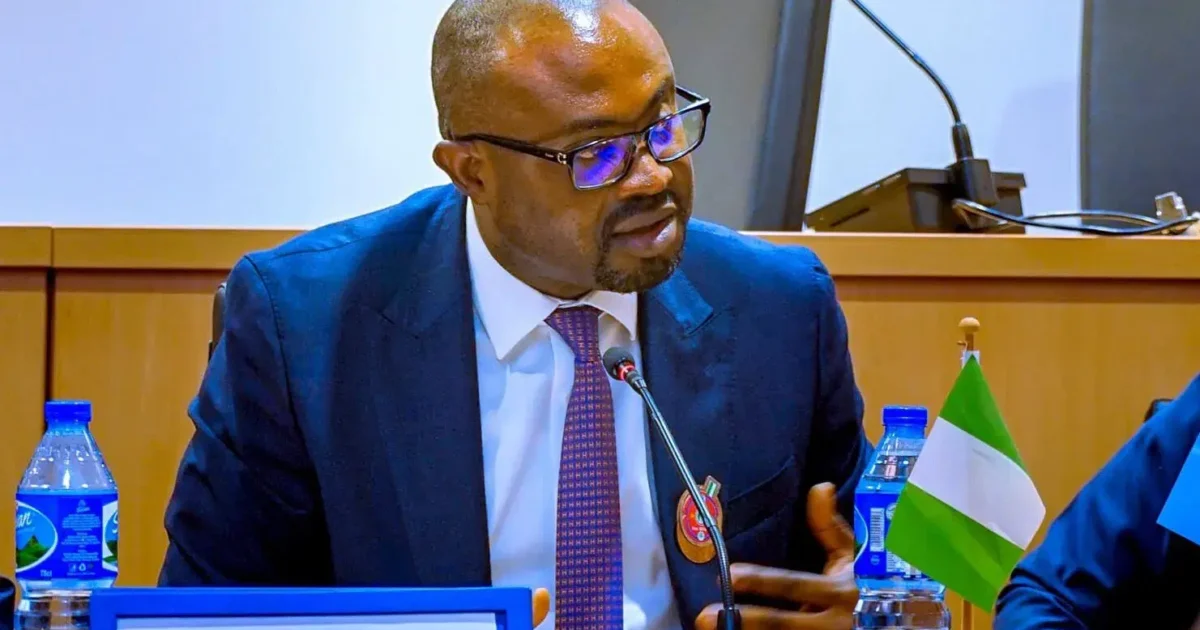
The Minister of Interior, Olubunmi Tunji-Ojo, has directed the Nigeria Immigration Service to yank passports from anyone who has formally renounced their Nigerian citizenship. No grace period, no appeals, just immediate withdrawal and deactivation.
The directive, confirmed by the Minister’s Special Adviser on Media, Alao Babatunde, targets people whose renunciation requests have already been approved by the President. Once that approval lands, your Nigerian passport becomes a useless piece of paper. Or at least, it should have been all along.
Tunji-Ojo anchored the policy in Section 29 of the 1999 Constitution, which is pretty unambiguous about what happens after renunciation. Subsection 1 says any citizen of full age can declare they want out. Subsection 2 says once the President registers that declaration, “the person who made the declaration shall cease to be a citizen of Nigeria.” Not “may cease.” Shall cease.
The wording matters because what this directive really does is close a loophole that probably should never have existed. People were renouncing their citizenship, getting the presidential sign-off, and then continuing to travel on Nigerian passports. Some for years. Whether that happened through bureaucratic inertia or deliberate gaming of the system, the Interior Minister clearly decided it needed to stop.
“It’s a necessary step to protect the integrity of the country’s sovereign documents,” Tunji-Ojo said, framing the move as part of a broader passport and visa reform push. He also cited border security and identity fraud prevention as reasons.
The real question is how many people this actually affects. The government did not disclose the number of Nigerians who have successfully renounced their citizenship through the presidential approval process. What is clear is that the directive signals a harder line on who gets to hold Nigerian travel documents, and the Interior Ministry is not interested in grey areas.
This is the same ministry that has been pushing digital reforms to the passport application process. Combining tighter eligibility rules with a modernized system suggests the government wants a cleaner, more controlled immigration infrastructure. Whether that translates into better governance or just more bureaucratic headaches depends on execution, which has never been Nigeria’s strongest suit.
Sources: Vanguard, NaijaNews

Written by
Tunde Bakare
Political journalist covering Nigerian politics, the National Assembly, and electoral developments. Political Editor at NaijaTrend.
You May Also Like
 Politics
Akpabio Petitions DSS Over Alleged Anti-North Statement
Senate President Godswill Akpabio has asked the Department of State Services to investigate a statement allegedly attrib…
 Politics
INEC Plans IDP Voting Centres In Nine Plateau LGAs
INEC says it is preparing voting centres for internally displaced persons in nine local government areas of Plateau Stat…
 Politics
Kaduna Ministries Begin 2027 Budget Presentations
Kaduna State ministries have begun presentations for the 2027 budget, with the government saying human capital developme…
 Politics
Sanwo-Olu Declares Emergency On Lagos Waste Management
Lagos Governor Babajide Sanwo-Olu has declared a limited emergency on waste management after weeks of pressure on refuse…