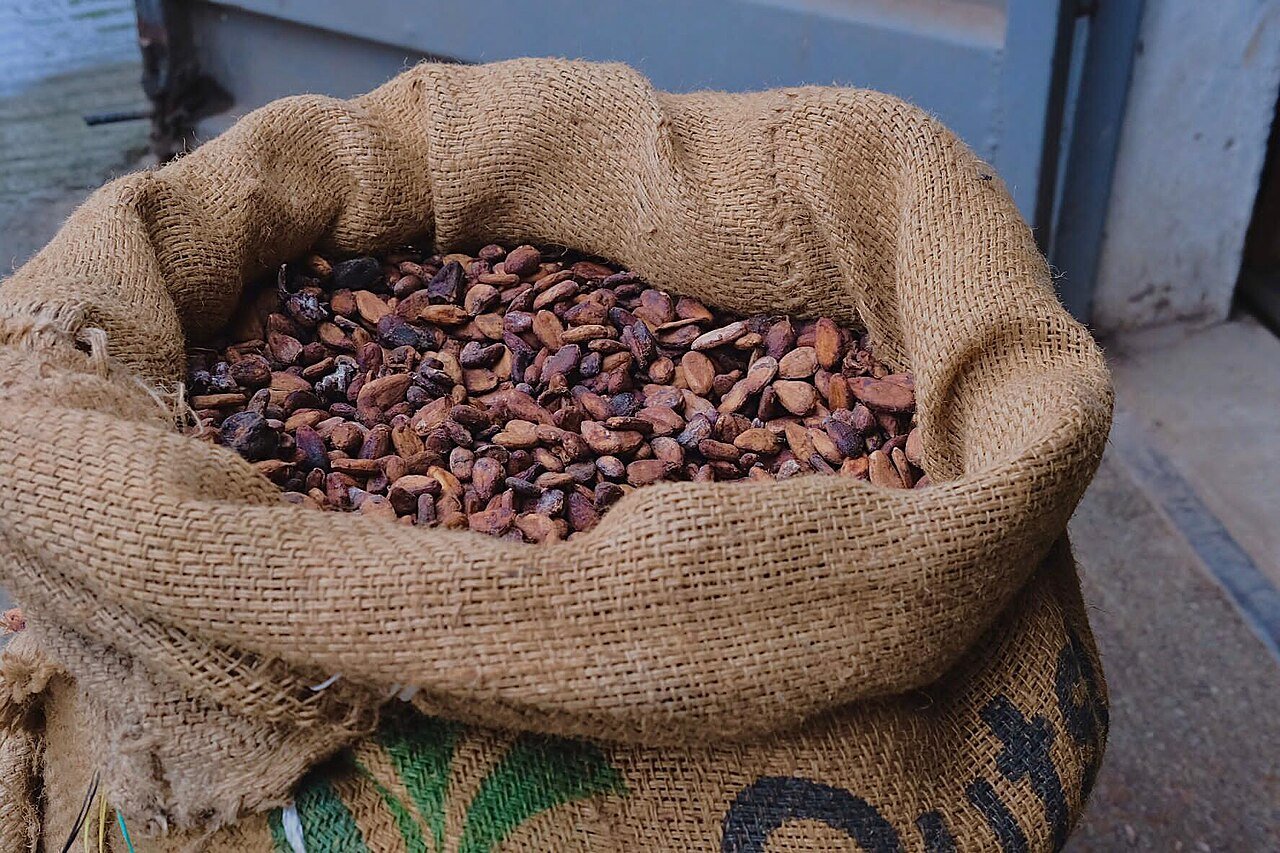
Nigeria’s non-oil exports reached N12.36 trillion in 2025, with shipments going to more than 120 countries, as the Federal Government moved to diversify export earnings and deepen domestic production.
The Federal Ministry of Industry, Trade and Investment disclosed the figures in a media update on Wednesday, October 22. Non-oil products accounted for 14.5 per cent of total exports in 2025, up from 11.7 per cent in 2024. The number of distinct non-oil products exported rose to 281 from 246, while Nigeria’s intra-African trade grew by 21 per cent.
Trade under the African Continental Free Trade Area accelerated sharply: the number of certificates of origin issued under AfCFTA grew by 500 per cent during the year. Under the trade agreement, certified Nigerian goods enter other African markets at reduced or zero tariffs, and exporters have reported faster processing through digital channels.
The ministry also reported that foreign direct investment inflows improved to $920 million in 2025 from $680 million in 2024, and total capital importation rose to $23.22 billion from $12.32 billion, though it acknowledged that direct investment remains modest against Nigeria’s funding needs.
The gains sit alongside a softer contribution to overall growth. Manufacturing and trade together added 0.43 percentage points to the country’s real GDP growth of 3.87 per cent in 2025, slightly below the 0.46 points they added in 2024. Manufacturing grew by 1.41 per cent and trade growth slowed to 1.77 per cent.
To deepen value addition, the ministry is developing a framework to guide the allocation of shea nuts to local processors before any surplus is exported, and it targets completing the export component of the National Single Window trade platform by November 2026 to simplify export processing. Special economic zones created more than 20,000 direct jobs in the period.
The record matters for the wider region: Nigeria is West Africa’s largest economy, and rising intra-African trade under AfCFTA shifts more of its commerce towards neighbours such as Ghana, Cameroon and the wider ECOWAS market.
Sources: The Guardian Nigeria
Something we should clarify?
Contact the newsroom