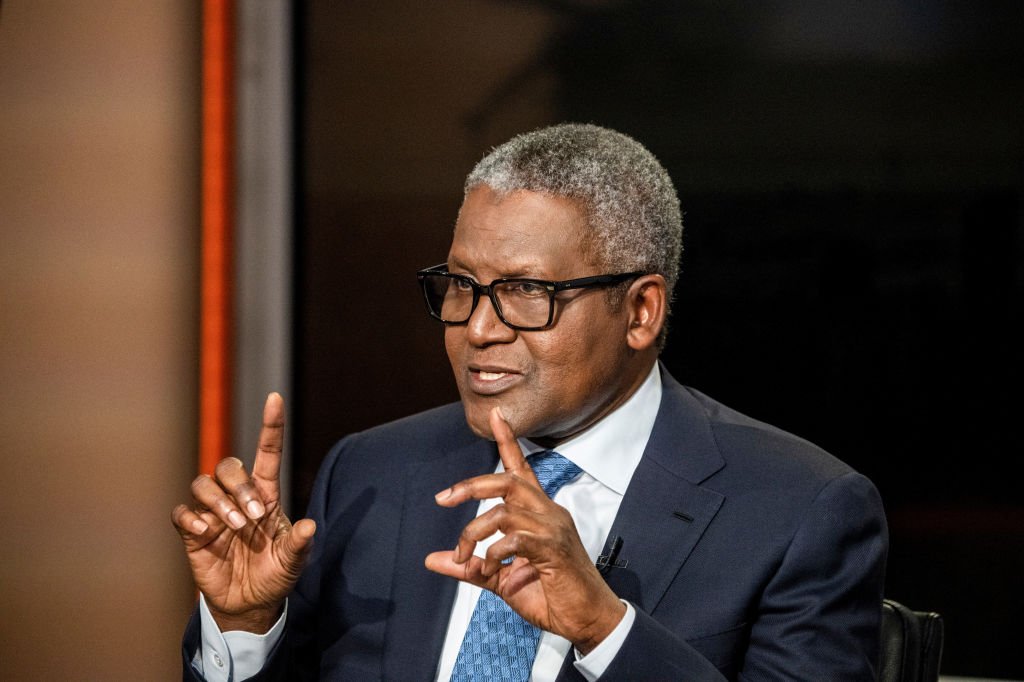
Aliko Dangote has acquired 25 per cent of Kenya Pipeline Company, the state-owned firm that moves petroleum products across Kenya and into neighbouring East African markets, in a transaction valued at about 327 million dollars.
Dangote confirmed the purchase at the Financial Times Africa Summit in London on Wednesday, October 22, describing it as part of a plan to build a pan-African fuel distribution network alongside the refinery his group is developing in Kenya. He told the summit, “We bought 25 per cent of their pipeline network for the distribution of petroleum products.” The stake, about 4.5 billion shares in a block trade worth KSh42.5 billion, was executed on the Nairobi Securities Exchange on October 19 and makes him the company’s largest private shareholder.
The acquisition sits beside his group’s 16-billion-dollar, 700,000-barrel-per-day refinery at Lamu on Kenya’s Indian Ocean coast, which held its groundbreaking on September 30 and is targeted for completion around 2030. Dangote also outlined a proposed 1.5-billion-dollar expansion of KPC’s roughly 1,300-kilometre pipeline network, according to the Financial Times; its financing and timetable have not been disclosed. Kenya’s president, William Ruto, has publicly defended the purchase against criticism of the privatisation process.
Investors reacted quickly to the confirmation. Kenya Pipeline shares rose from KSh9.06 on Wednesday, October 22, to KSh10.75 in Friday trading, lifting the company’s market value by about KSh30.71 billion in two sessions. That rally, which came alongside KPC’s stronger annual results, does not by itself establish how much of the planned expansion or future earnings the valuation already reflects.
KPC moves fuel from coastal import terminals to inland Kenyan demand centres and across borders into neighbouring markets, making the stake a foothold in East Africa’s supply chain that complements the Lamu refinery once it is built. The transaction also follows the refinery’s ongoing Nigerian public offer, extended to October 27, which the company says has drawn subscriptions from investors in 51 African countries.
For the moment the stake is a confirmed shareholding, while the wider distribution network and pipeline expansion remain plans rather than operating infrastructure.
Sources: Arise News, BusinessDay
Something we should clarify?
Contact the newsroom