Benin Republic Votes for New President After Failed Coup and Rising Jihadist Threats
 Claudia Kane
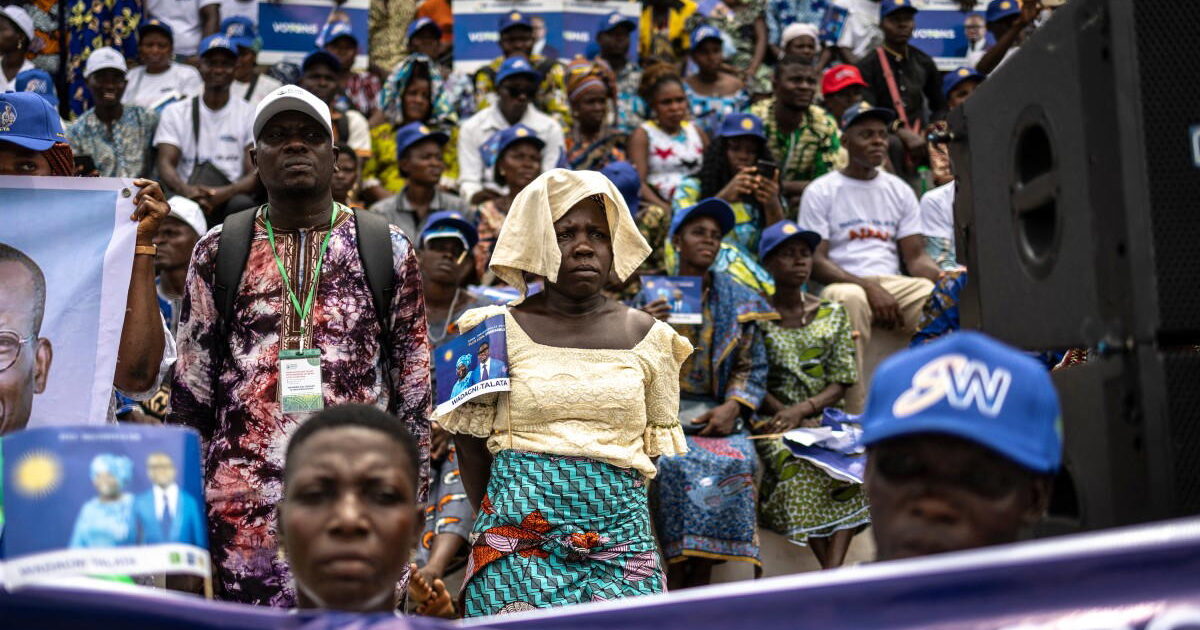
Election day in West Africa’s democratic showcase
Benin Republic votes on Sunday to replace President Patrice Talon, who is stepping down after two five-year terms. This election comes four months after a failed military coup and at a time when jihadist violence is creeping closer to the country’s northern borders.
Only two candidates made it onto the ballot: Finance Minister Romuald Wadagni, the heavy favourite backed by Talon’s coalition, and Paul Hounkpe, a former culture minister who leads the minor opposition FCBE party. The main opposition Democrats party was shut out after failing to collect the 28 endorsements from elected officials needed to run.
The favourite: Romuald Wadagni
At 49, Wadagni is widely seen as the architect of Benin’s recent fiscal stability under Talon. He spent years as a technocrat in the United States and speaks fluent English. His pitch to voters: free schooling and more jobs — a direct appeal in a country where more than half the population is young.
Africa Confidential reported that the path to a Wadagni win was cleared methodically, with potential rivals sidelined, placated, or removed altogether. Critics say this was less an election than a managed transition.
A democracy under strain
Despite Benin’s reputation as one of West Africa’s most stable democracies, Talon’s critics say he has dragged the country in an authoritarian direction. Opposition figures are in prison or exile. A recent constitutional amendment extended presidential terms to seven years. After Sunday, no local or national elections are scheduled until 2033.
“Civic space continues to shrink in Benin,” said Dieudonné Dagbéto, who heads Amnesty International’s Benin office. “Women and marginalised groups face discrimination, while forced evictions jeopardise the human rights of thousands of people.”
Jihadist threat at the border
The election takes place against a backdrop of rising jihadist violence. Groups tied to Al-Qaeda and the Islamic State — already destabilising Burkina Faso, Mali, and Niger — have been attacking northern Benin for several years. In April 2025, 54 Beninese soldiers were killed in a single JNIM assault, one of the deadliest attacks in the country’s history.
Benin’s stability matters to Nigeria. A peaceful democratic transition after a failed coup would push back against a regional trend — at least three neighbouring countries are now under military rule. Whether Sunday’s vote genuinely reflects the will of Benin’s 14.4 million people is a different question entirely.
Sources: The Guardian, Vanguard, BBC Pidgin, Reuters

Written by
Claudia Kane
General assignment reporter and News Editor at NaijaTrend. Covers breaking news, security, and national affairs across Nigeria.
You May Also Like
Ondo Investigates Suspected Poisoning After 24 Deaths
Ondo State authorities are investigating the deaths of 24 people in Odigbo Local Government Area after residents reporte…
 News
News
Police Hunt Suspects After Mob Kills Man In Akwa Ibom
Akwa Ibom police say they have begun a manhunt after a mob allegedly beat and set ablaze an unidentified man accused of…
 News
News
Nigerian Army Redeploys Generals, Names New Operation Hadin Kai Commander
The Nigerian Army has redeployed several senior officers and named Major General I. A. Ajose as Theatre Commander of Joi…
 News
News
NDLEA Arrests Fugitive Kingpin Linked To 49.7kg Heroin Shipment
NDLEA says Festus Ibewuike was arrested in Benin Republic and returned to Nigeria after more than two years on the run.