Bamidele Pushes Six-Year Single Term For Presidents, Governors After 2027
 Tunde Bakare
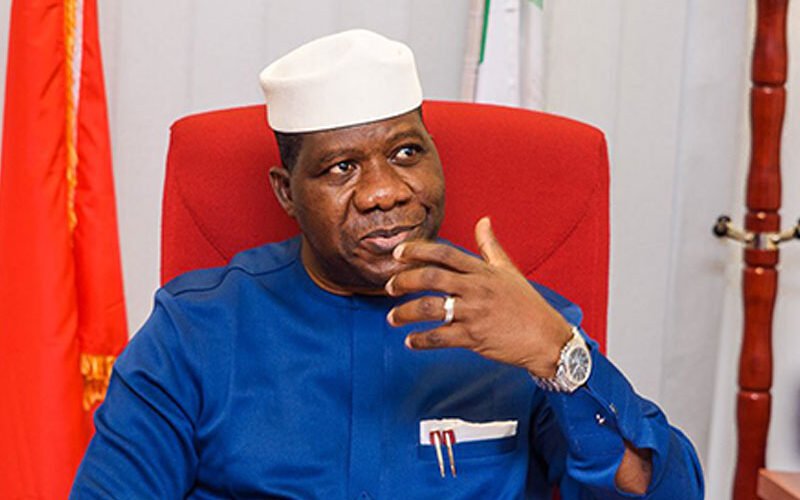
Senate Leader Opeyemi Bamidele says he plans to sponsor a bill for a single six-year term for presidents and governors after the 2027 general elections.
Bamidele said the proposal would allow elected leaders to focus on governance instead of spending much of their first term preparing for re-election. Nigeria currently allows presidents and governors to serve two four-year terms.
Speaking with journalists, Bamidele said one of the first bills he hopes to move in the next Senate would make it possible for anyone elected president or governor to serve only one six-year term.
“If you know you are there for six years, only one tenure, you put in your best from day one. You know this is the only chance that you have,” he said, according to Guardian.
Punch reported that Bamidele argued that the current two-term structure often pushes elected officials into second-term calculations barely halfway through their first tenure. He said removing that pressure could help leaders concentrate on policy delivery.
The proposal is expected to revive an old constitutional debate in Nigeria. Supporters of a single term say it could reduce the distraction and cost of re-election campaigns. Critics argue that the option of a second term gives voters a chance to reward good performance or remove underperforming leaders through the ballot box.
Guardian reported that Bamidele made the comment while discussing planned constitutional and governance reforms. Daily Trust also reported that the six-year single-term push has raised concern among some political observers who fear it could be interpreted as a tenure-extension debate if not clearly tied to future elections.
Former Vice President Atiku Abubakar has also previously backed a single six-year term, alongside a proposal to rotate the presidency among Nigeria’s six geopolitical zones.
For the proposal to become law, it would require constitutional amendment approval by the National Assembly and the required number of state Houses of Assembly.
Sources: Punch, Guardian, Daily Trust

Written by
Tunde Bakare
Political journalist covering Nigerian politics, the National Assembly, and electoral developments. Political Editor at NaijaTrend.
You May Also Like
 Politics
Minority Lawmakers Walk Out As Reps Pass State Police Bill
Minority lawmakers in the House of Representatives walked out after accusing the leadership of mishandling the passage o…
 Politics
Senate Warns MDAs Over Ignoring Oversight Invitations
The Senate has warned ministries, departments, agencies and government-owned enterprises that ignoring National Assembly…
 Politics
Timi Frank Asks Presidency To Publish Trump Letter To Tinubu
Former APC deputy national publicity secretary Timi Frank has asked the Presidency to publish the full letter it says Un…
 Politics
Atiku Faults Tinubu Over ₦22.15bn Palace Projects For Monarchs
Atiku Abubakar has criticised President Bola Tinubu over a reported ₦22.15bn allocation for palace projects for traditio…