Presidency Warns Nigerians Against Deepfake Videos, Religious Disinformation Ahead of 2027
 Claudia Kane
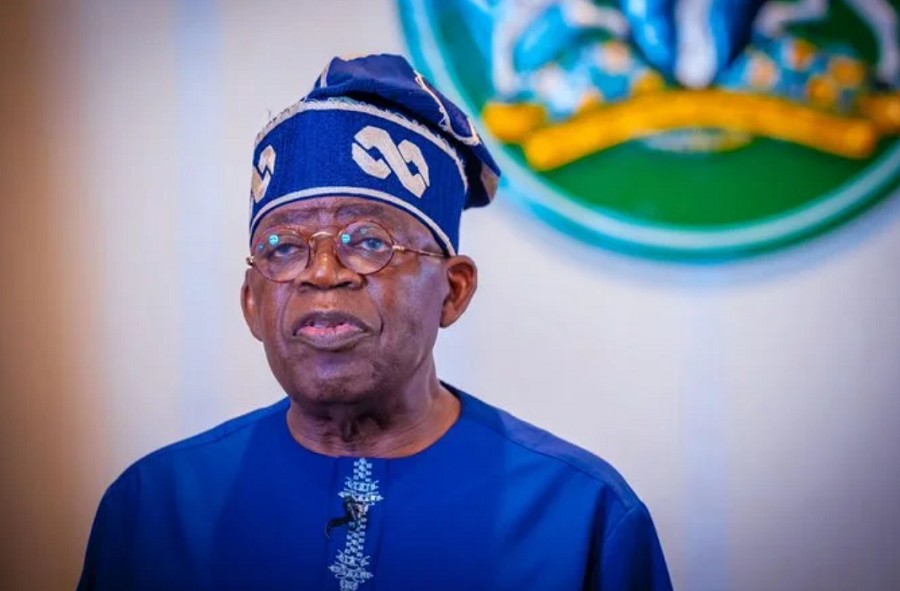
The Presidency has raised the alarm over coordinated attempts to use manipulated digital content and religion to create political tension ahead of the 2027 elections, warning that offenders will be prosecuted under cybercrime and incitement laws.
The warning, issued by the Office of Digital Engagement and Strategy, accused “desperate political actors” of deploying deepfake videos and fake audio recordings to inflame religious tensions and damage the reputation of public officials.
Deepfake Videos Targeting Tinubu, Religious Leaders
The statement noted that a manipulated video overlaid with fake audio had recently portrayed President Tinubu negatively via a social media influencer — a reference to the VeryDarkMan audio saga (covered in Post 2772). It also flagged a separate deepfake video falsely linked to a religious leader, designed to incite Muslims against the president.
The Presidency reaffirmed Tinubu’s commitment to religious freedom and cautioned Nigerians to verify digital content before sharing, particularly material that could stoke religious or ethnic divisions.
“The deliberate weaponisation of religion through manipulated media is a threat to national security and social cohesion,” the statement said.
It warned that the government would deploy all legal means, including cybercrime and public incitement laws, to prosecute those found to be creating or distributing malicious deepfake content.
Growing Concern Over AI-Generated Misinformation
The warning comes amid growing concern over the use of artificial intelligence to generate convincing fake audio and video content targeting political figures. The VDM audio case (Post 2772) and now this broader statement suggest the government is taking a more aggressive stance on digital disinformation ahead of the 2027 election cycle.
Political analysts have noted that deepfake technology poses a significant risk to electoral integrity, as manipulated content can spread rapidly on social media platforms before fact-checkers can respond.
Sources: Punch, The Nation

Written by
Claudia Kane
General assignment reporter and News Editor at NaijaTrend. Covers breaking news, security, and national affairs across Nigeria.
You May Also Like
 News
News
No casualty recorded as two-storey building collapses in Sokoto
A two-storey building under construction collapsed in Sokoto metropolis on Wednesday, but emergency officials and witnes…
 News
News
FG re-arraigns Ansaru commanders, three others over Oyo school abduction
The Federal Government has re-arraigned five men, including two alleged Ansaru commanders, on terrorism charges linked t…
 News
News
Otukpo Imposes Dusk-To-Dawn Curfew After Deadly Ugboju Attack
Otukpo Local Government Council in Benue State has imposed a dusk-to-dawn curfew after a deadly attack on the Efeyi comm…
 News
News
Army Rescues Federal Polytechnic Rector, Foils Kidnap Attempts In Zamfara
Troops of Operation FANSAN YAMMA have rescued the Rector of the Federal Polytechnic, Kaura Namoda, Dr Aminu Yusuf, and f…