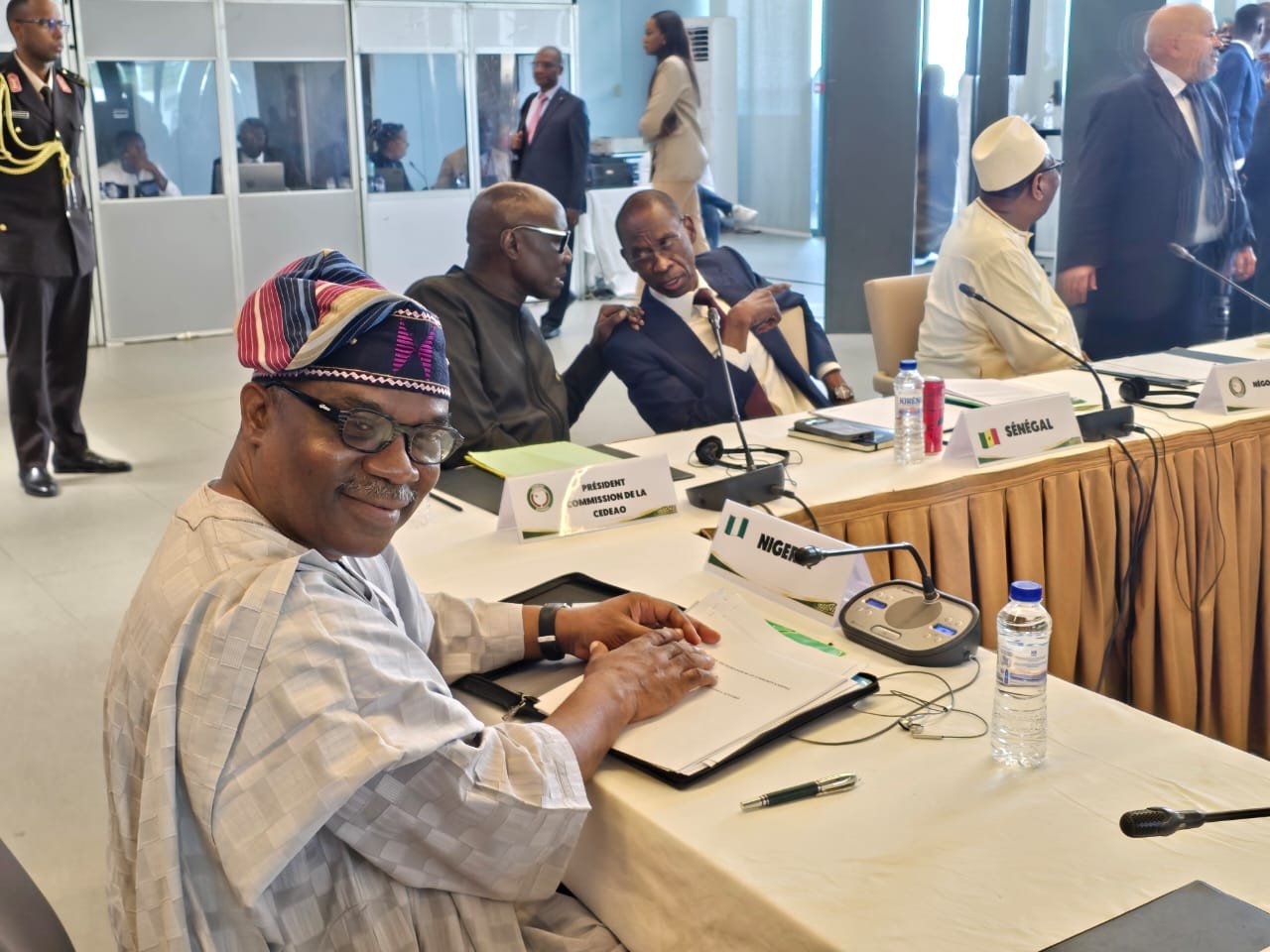
West African countries are discussing how to move away from mercury-containing dental fillings at a meeting in Dakar, as health systems work towards a global phase-out deadline of 2034.
The October 19–22 gathering in Senegal brings together more than 75 health and environment policymakers and experts from Africa, Asia and Latin America. It combines an African sub-regional workshop with the closing meeting of a project testing ways to reduce the use of dental amalgam.
The World Health Organization said on October 19 that West African participants would identify priority national actions to accelerate the removal of mercury from health systems. Discussions cover regulations, alternative filling materials, training for oral health workers and the handling of mercury-containing waste.
A gap in Africa’s transition
Dental amalgam contains about 50% elemental mercury by weight. Mercury can be released when fillings are placed or removed and when waste is disposed of, contaminating water and soil, according to WHO.
The agency’s Global Oral Health Action Plan seeks to have 90% of countries phase down or phase out dental amalgam by 2030. WHO said only 13% of countries in its African Region had reached that target as of 2024, compared with 31% globally.
Parties to the Minamata Convention on Mercury agreed in 2025 to phase out dental amalgam by 2034. That international deadline is separate from the earlier target in WHO’s action plan.
Lessons from Senegal’s pilot
Senegal is the only African pilot country in the GEF-7 Phasing Down Dental Amalgam Project, alongside Thailand and Uruguay. The project is funded by the Global Environment Facility, implemented by the United Nations Environment Programme and carried out by WHO.
WHO said Senegal had trained oral health professionals in mercury-free care and alternatives to amalgam, developed a good-practice guide and installed 13 amalgam separators in a pilot intended to keep mercury out of wastewater. It also reported improvements in the collection, storage and management of mercury-containing waste.
Through a separate programme under the Minamata Convention, Senegal worked with Burkina Faso and Togo to develop and technically validate national regulatory instruments covering mercury and mercury-added products, including dental amalgam provisions.
The Dakar programme includes a visit to health facilities and a waste management site to examine solutions being tested in Senegal. Participants are also due to review the project’s results and discuss further cooperation as the three pilot countries consolidate their work.
Source: World Health Organization Regional Office for Africa
Something we should clarify?
Contact the newsroom