Suspected Ebola Cases Drop From 906 to 116 as WHO Revises Figures
 Claudia Kane
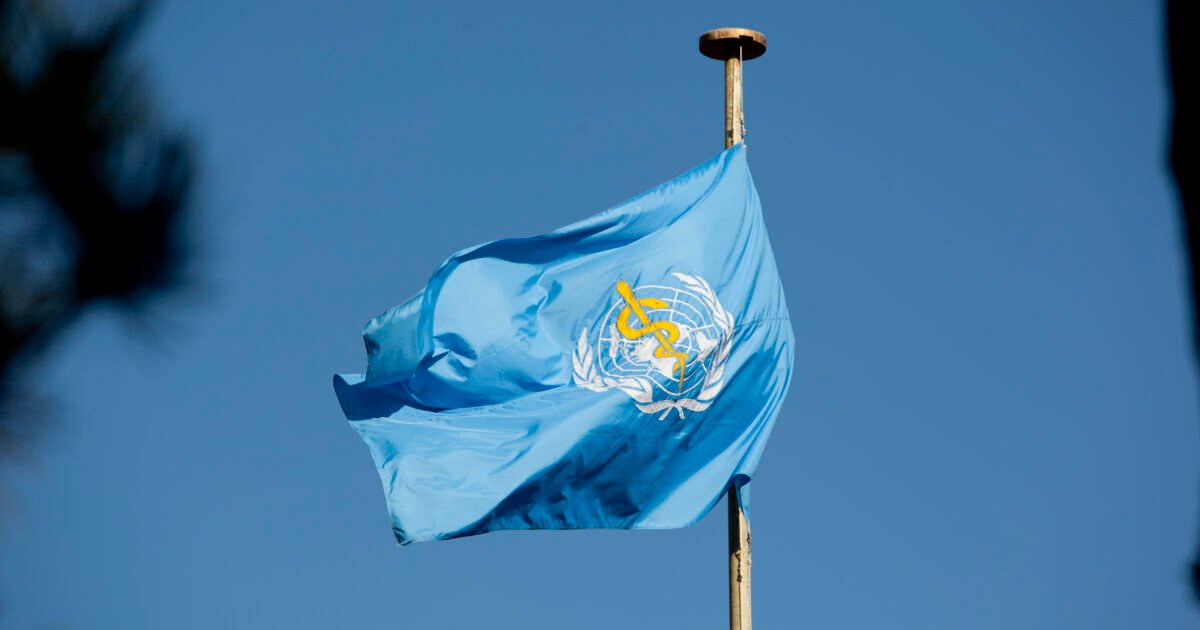
The World Health Organization (WHO) has dramatically scaled back the number of suspected Ebola cases in central Africa. The figure now stands at 116, down from more than 900 previously reported, with 330 cases now confirmed.
As of May 31, the WHO said 116 suspected cases had been registered in the Democratic Republic of Congo — down from 906 reported late last week. Some 321 cases have now been confirmed in the DRC, including 48 deaths. Nine confirmed cases have been registered in neighbouring Uganda, including one fatality.
So why the huge drop? Many suspected cases were cleared out after testing showed other diseases with similar early symptoms, like malaria or meningitis, said WHO spokesman Christian Lindmeier. He explained that anybody showing Ebola-like symptoms is initially counted as a suspected case, pending test results.
The outbreak was declared on May 15 in conflict-hit Ituri province in northeastern DRC. The virus is believed to have been spreading under the radar for weeks before that declaration.
One reason for the high initial count: people infected with the Bundibugyo strain first show symptoms similar to flu, malaria, or typhoid, which can delay detection. Lindmeier told reporters that once tested, many cases were “ruled out.” He cited “a couple of cases with malaria or meningitis” as examples that dropped off the suspected cases list.
WHO’s previous figures had also listed 223 deaths suspected of being Ebola-related, but the new figures no longer include that category. Lindmeier suggested that number had been uncertain, since it included people who died a while ago and whose remains, in many cases, could not be exhumed for testing.
Six confirmed Ebola patients have now recovered, according to the WHO.
No vaccine or approved treatment is currently available against the Bundibugyo strain. Efforts to contain its spread rely mainly on preventative measures. Nigeria’s NCDC has placed the country on high alert, citing porous borders and the risk of cross-border transmission.
Sources: Channels TV, CBS News, Ars Technica

Written by
Claudia Kane
General assignment reporter and News Editor at NaijaTrend. Covers breaking news, security, and national affairs across Nigeria.
You May Also Like
Ondo Investigates Suspected Poisoning After 24 Deaths
Ondo State authorities are investigating the deaths of 24 people in Odigbo Local Government Area after residents reporte…
 News
News
Police Hunt Suspects After Mob Kills Man In Akwa Ibom
Akwa Ibom police say they have begun a manhunt after a mob allegedly beat and set ablaze an unidentified man accused of…
 News
News
Nigerian Army Redeploys Generals, Names New Operation Hadin Kai Commander
The Nigerian Army has redeployed several senior officers and named Major General I. A. Ajose as Theatre Commander of Joi…
 News
News
NDLEA Arrests Fugitive Kingpin Linked To 49.7kg Heroin Shipment
NDLEA says Festus Ibewuike was arrested in Benin Republic and returned to Nigeria after more than two years on the run.