Public-sector unions direct October 2–4 warning strike over petrol price and wages
 Amina Garba
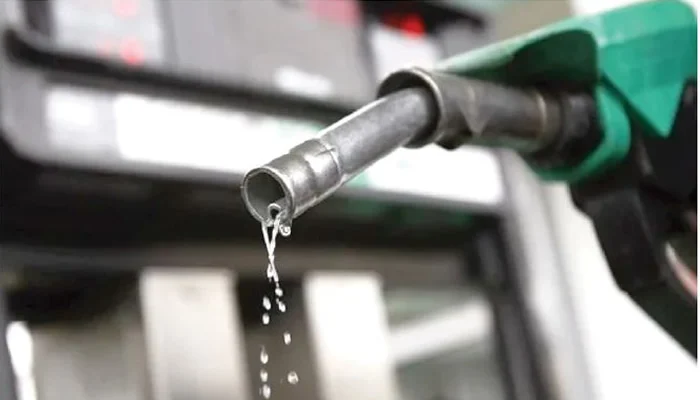
Public-sector unions have directed federal, state and local government employees to take part in a three-day warning strike from Friday, October 2, to Sunday, October 4.
The Joint National Public Service Negotiating Council is demanding a reduction in petrol prices to N500 per litre, a wage award and the start of negotiations for a new national minimum wage ahead of 2027.
A circular dated October 1 and signed by the council’s National Secretary, Olowoyo Gbenga, said the action would proceed as scheduled. Daily Trust reported that the council accused the Federal Government of failing to address requests sent to President Bola Tinubu in a September 21 letter.
The directive follows the council’s earlier strike threat, which NaijaTrend reported here.
The Nigeria Labour Congress has backed the council’s demands. In its Independence Day message, NLC President Joe Ajaero said rising transport, food, rent and education costs had weakened workers’ purchasing power.
The congress linked the pressure to higher petrol prices after the removal of fuel subsidies in 2023. It called for an immediate nationwide wage award covering federal, state and local government workers as an emergency response to falling real incomes.
The NLC also accused the government of failing to fully implement tax relief agreed in the October 2023 Memorandum of Understanding with labour. It demanded delivery of the relief and faster negotiations on a new minimum wage.
Its other proposals included lower governance costs, greater transparency in public spending and investment in domestic refining, roads, hospitals and schools. The council’s warning action is scheduled to end on October 4.
Source: Daily Trust

Written by
Amina Garba
Financial reporter covering CBN policy, oil and gas, government budgets, and macroeconomic trends. Business Writer at NaijaTrend.
You May Also Like
 Business
FG rules out immediate solar import ban until local production can meet demand
The Federal Government says it will not ban solar panel imports before Nigeria can produce enough equipment locally, kee…
 Business
Auditor-General flags alleged N345.5m duplicate payment on Abuja ICT Park
The Auditor-General of the Federation has questioned an alleged N345.5 million duplicate payment by the Federal Ministry…
 Business
NNPC says N66 petrol discount will run until October 31
NNPC Limited says its N66-per-litre petrol discount will continue until October 31 at its retail stations nationwide. Th…
 Business
World Bank says state revenues rose 93% while education’s spending share fell
Nigeria’s 36 states received substantially more revenue between 2023 and 2025, but education took a smaller share of the…