Police Arrest Man Behind AI-Generated ‘Tinubu Voice’ Deepfake Recording
 Emeka Nwosu
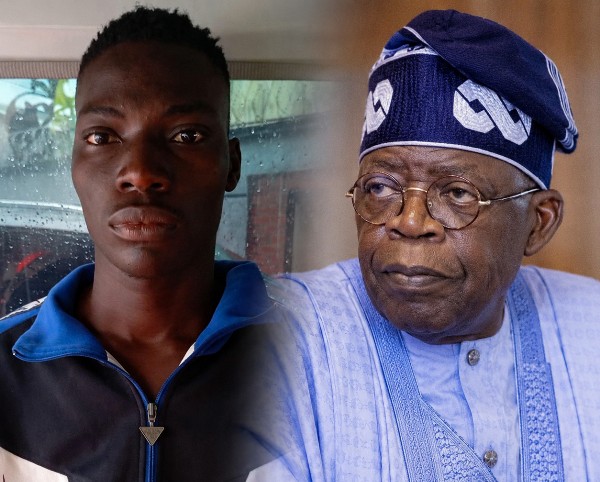
The Nigeria Police Force has arrested a suspect believed to be responsible for creating and distributing an artificial intelligence-generated voice recording that falsely portrayed President Bola Tinubu making inflammatory statements.
The suspect, identified as Ifechukwu Dennis, was arrested in Benin City, Edo State, by the Inspector General of Police’s crack investigative team. The arrest was announced on June 4 by Bayo Onanuga, Special Adviser to the President on Information and Strategy.
The deepfake audio recording, which went viral on May 27, was widely circulated via a video posted by controversial social media influencer VeryDarkMan. The fabricated audio purported to capture President Tinubu making inflammatory comments about the security situation in the South-East and alleging interference in the 2023 general election.
How the Deepfake Spread
The AI-generated voice recording surfaced at a time of growing political tension, with the content designed to exploit existing fault lines in the country’s political environment. Using advanced voice cloning technology, the perpetrators created an audio clip that mimicked President Tinubu’s speech patterns and vocal characteristics with alarming accuracy.
The recording falsely portrayed the President making claims about insecurity in the South-East region and allegedly discussing interference in the 2023 presidential election — statements that the Presidency swiftly denied as completely fabricated.
VeryDarkMan, who posted the video containing the deepfake, has a significant following across social media platforms, and the clip spread rapidly before fact-checkers could debunk it. The rapid dissemination of the content raised concerns about the potential for AI-generated disinformation to influence public discourse and political stability.
Police Investigation and Charges
The IGP’s special investigation team, which includes digital forensic experts, traced the origin of the deepfake audio to Dennis in Benin City. Sources told BusinessDay that the suspect is believed to have used readily available AI voice cloning tools to create the fabrication.
“The suspect will face charges related to cybercrime, spreading false information, and attempting to incite public disorder,” the police said in a statement. The force warned that it would not hesitate to prosecute individuals who use AI technology to undermine national security and public order.
The arrest sends a strong signal about the government’s determination to crack down on the malicious use of AI-generated content for political manipulation.
Broader Implications
The incident has reignited debate about the regulation of AI-generated content in Nigeria. With deepfake technology becoming increasingly sophisticated and accessible, legal experts have called for updated cybercrime legislation that specifically addresses AI-generated disinformation.
The Nigerian Communications Commission and the National Information Technology Development Agency are reportedly working on guidelines for the ethical use of AI-generated content, including mandatory labelling requirements for synthetic media.
Meanwhile, the Presidency has urged Nigerians to verify information from official sources before sharing, emphasising the dangers posed by AI-generated falsehoods to the fabric of democratic discourse.
Sources: Sahara Reporters, Daily Report NG, Lagos Post, NewsCentral TV, Osun Report

Written by
Emeka Nwosu
Tech journalist covering Nigerian startups, fintech regulation, digital policy, and innovation. Tech Writer at NaijaTrend.
You May Also Like
 Tech
Tech
FG Moves To Make NIN Nigeria’s Sole National Identity
The Federal Government is pushing for full implementation of the NIMC Act 2026, with the National Identification Number…
Tech
Tunji-Ojo Explains What NIMC Act 2026 Means For Nigerians
Interior Minister Olubunmi Tunji-Ojo says the new National Identity Management Commission Act 2026 will expand access to…
 Tech
Tech
Tinubu Establishes National Health Technology Office, Appoints Obi Adigwe Coordinator
President Bola Tinubu has approved the creation of the National Health Technology and Data Analytics Office and appointe…
 Tech
Tech
NCC, CAC Require Prior Approval For Telecom Share Transfers Of 10% Or More
The Nigerian Communications Commission and the Corporate Affairs Commission have directed telecom companies to obtain re…