NLNG Targets End-2027 Operations Start for $10bn Train 7 Project
 Amina Garba
Nigeria LNG Limited has said its $10 billion Train 7 project is expected to begin operations by the end of 2027, a timeline that would lift the company’s production capacity from 22 million to 30 million tonnes per annum once the long-delayed project comes onstream at Bonny Island, Rivers State.
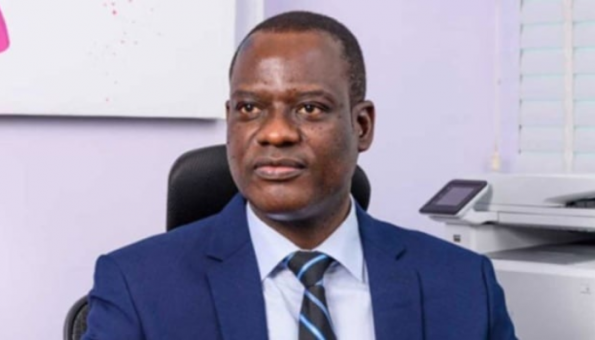
Managing Director Adeleye Falade disclosed the target on the sidelines of the Gastech conference in Bangkok, Thailand, where he said construction at the site was now over 92 per cent complete, with pre-commissioning activities already under way. The project was originally scheduled for completion years earlier, but the COVID-19 pandemic and the disruption the Russia-Ukraine war caused to global supply chains pushed back the construction timeline.
Falade also confirmed that NLNG remains under a force majeure declared in 2022 after widespread flooding disrupted gas supplies to the plant. He said the company would lift the force majeure once utilisation reaches 90 per cent, with the facility currently operating at between 82 and 83 per cent. “We still have a delta of about 15 per cent that we need to close,” he said, adding that gas supply remained the company’s biggest constraint and that NLNG was working with the government and other partners to get more gas to flow into the plant.
The Nigerian National Petroleum Company Limited, which holds the majority stake in NLNG alongside international partners Shell, TotalEnergies and Eni, has separately pointed to the 2027 completion window. Olalekan Ogunleye, NNPC’s executive vice-president for gas, power and new energy, told the same conference that Train 7 is due for completion in 2027 as Nigeria expands its gas export capacity, noting that the existing six trains already produce 22 million tonnes per annum and have shipped more than 6,000 LNG cargoes.
When operational, Train 7 is expected to raise export earnings and increase domestic cooking gas supply by about 50 per cent, supporting Nigeria’s push to move from its position as a leading African LNG supplier toward becoming the world’s fifth-largest exporter. The project’s cost has been cited at between $5.7 billion and $10 billion across different phases. The company reported in May that the project had reached 92 per cent completion and entered pre-commissioning, as covered here.
Sources: THISDAY, Leadership, The Cable

Written by
Amina Garba
Financial reporter covering CBN policy, oil and gas, government budgets, and macroeconomic trends. Business Writer at NaijaTrend.
You May Also Like
 Business
Sanusi says blocking telcos from banking slowed financial inclusion
Muhammadu Sanusi II says his decision as CBN governor to delay telcos’ entry into financial services was wrong and slowe…
 Business
Lagos Assembly approves 2026 budget changes, raises bond plan to N200bn
Lagos lawmakers have approved changes to the state’s 2026 budget, clearing the way for the government to reorder spendin…
 Business
Nigeria’s inflation eases to 15.39% in August, NBS says
Nigeria’s headline inflation eased slightly to 15.39 per cent in August 2026, down from 15.43 per cent in July, accordin…
 Business
Nigeria returns to J.P. Morgan bond index after 11 years
Nigeria has returned to a J.P. Morgan emerging-market bond benchmark for the first time since 2015 after selected Federa…