Fuel Heading Toward ₦2,000 Per Litre as TUC Demands Government Act, Nigerians Push Back on New 5% Charge
 Claudia Kane
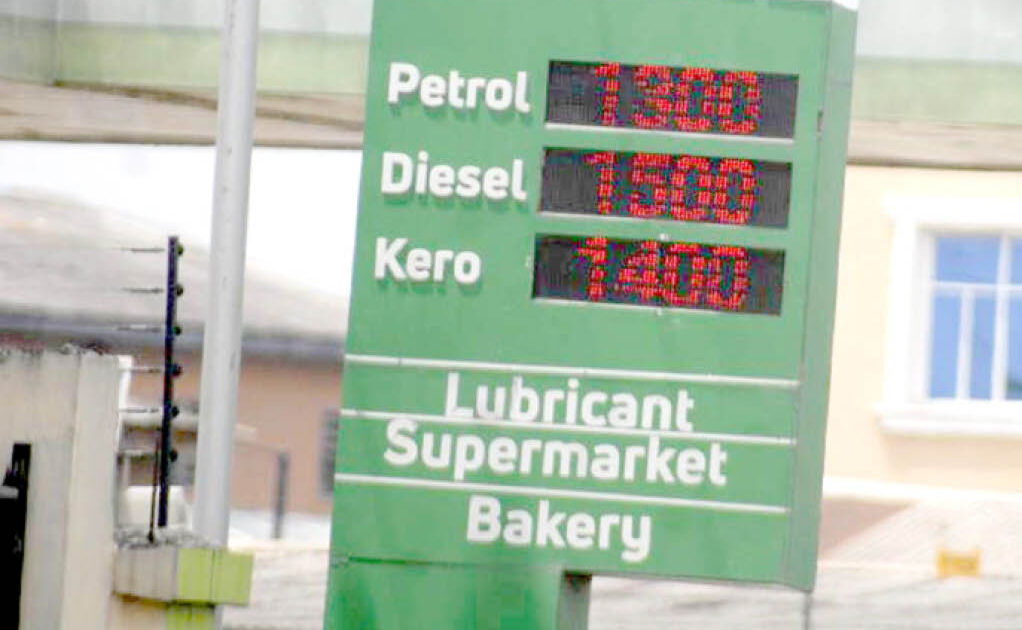
Petrol prices are creeping toward ₦2,000 per litre and nobody in government seems to have a plan that ordinary Nigerians can believe in. The Trade Union Congress sounded the alarm this week, warning that workers can no longer afford transport costs and demanding the federal government redirect excess crude oil revenue to subsidise local refineries.
TUC President Festus Osifo did not mince words. “Oil price has affected deeply the purchasing power of salaries that we earn as Nigerian workers,” he said. The union wants the government to channel windfall oil revenue into keeping domestic fuel affordable, rather than letting global market forces dictate what Nigerians pay at the pump.
The numbers tell the story. NNPC recently raised pump prices to ₦925 per litre in Lagos, only two days after an earlier increase to ₦915. In many parts of the country, the actual retail price sits between ₦1,200 and ₦1,350 per litre, with independent marketers hinting that more increases are coming. Dangote Refinery cut its gantry price by ₦100 to ₦1,075 per litre, but that has yet to show up at filling stations.
And then there is the 5% petroleum users’ charge. The House of Representatives Ad Hoc Committee wants to enforce a provision in the FERMA Act 2007 that would add a 5% charge on every litre of petrol and diesel sold, with the money split between federal and state road maintenance agencies. The idea is to fund road repairs. The reality is that Nigerians, already squeezed by soaring transport and food costs, would bear the cost.
The backlash has been fierce. The Joint Drivers Welfare Association called the government’s approach an experiment on citizens. “They think we won’t react just because we were quiet the last time they increased fuel,” said national chairman Akintade Abiodun. “This must be reversed.” The All Farmers Association of Nigeria warned that higher fuel costs would push food prices even higher, since farm produce has to be transported from rural areas to markets. Human rights groups threatened that growing frustration could explode into nationwide protest.
Economists are split on solutions. Dr. Abdussalam Kani of Sa’adatu Rimi College of Education wants the government to allocate crude oil directly to Dangote Refinery for domestic processing at subsidised rates, and to roll out subsidised public transport. University of Lagos energy law professor Dayo Ayoade pointed out that the price surge is driven by international events, including the Middle East war disrupting global oil supply, and that there is a limit to what the federal government can do domestically. University of Ilorin economist Gafar Ijaiya agreed, saying subsidies on imported fuel would only reopen the era of corruption, and that support should instead go toward stabilising crude supply for local refining.
The Middle East conflict driving crude oil above $100 per barrel is not going away anytime soon. Until it does, Nigerians are stuck watching the numbers on fuel pumps climb higher, knowing that every increase means less money in their pockets and higher prices on nearly everything else.
Sources: Punch, Daily Trust, Pulse Nigeria, Channels TV, TUC

Written by
Claudia Kane
General assignment reporter and News Editor at NaijaTrend. Covers breaking news, security, and national affairs across Nigeria.
You May Also Like
 News
News
Oluremi Tinubu Opens South-East Food Bank In Anambra
Nigeria’s First Lady, Oluremi Tinubu, has opened the South-East phase of the National Community Food Bank Programme in A…
 News
News
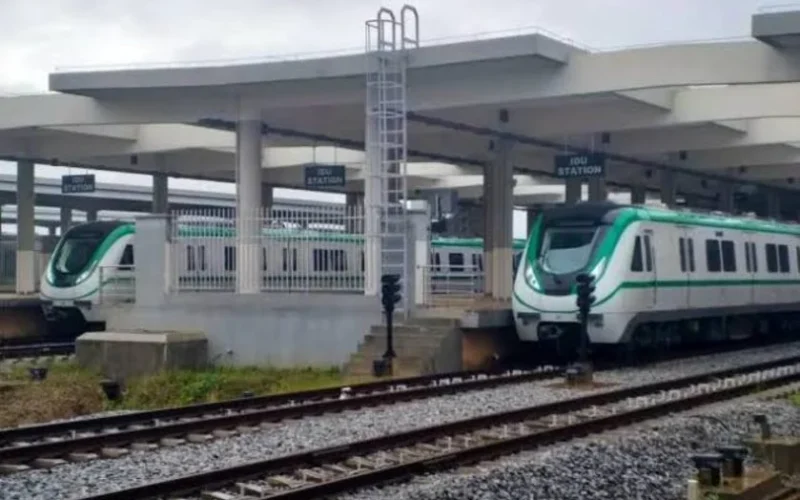
Minor Fire Hits Abuja Idu Train Station, Operations Continue
A minor fire damaged electrical installations at Abuja’s Idu Train Station on Wednesday evening, but the Nigerian Railwa…
 News
News
Edo Police Open Probe After Clash With Traffic Officers
The Edo State Police Command has ordered an investigation after a video showed an altercation between police operatives…
 News
News
ASUU Gives Sokoto State University Two-Week Ultimatum Over Unpaid Entitlements
The Academic Staff Union of Universities at Sokoto State University has given the Sokoto State Government two weeks to a…