Enugu Unveils 260 Smart-Green-Schools With Robotics Labs and 33% Budget Pledge
 Emeka Nwosu
260 Schools, 33% of the Budget
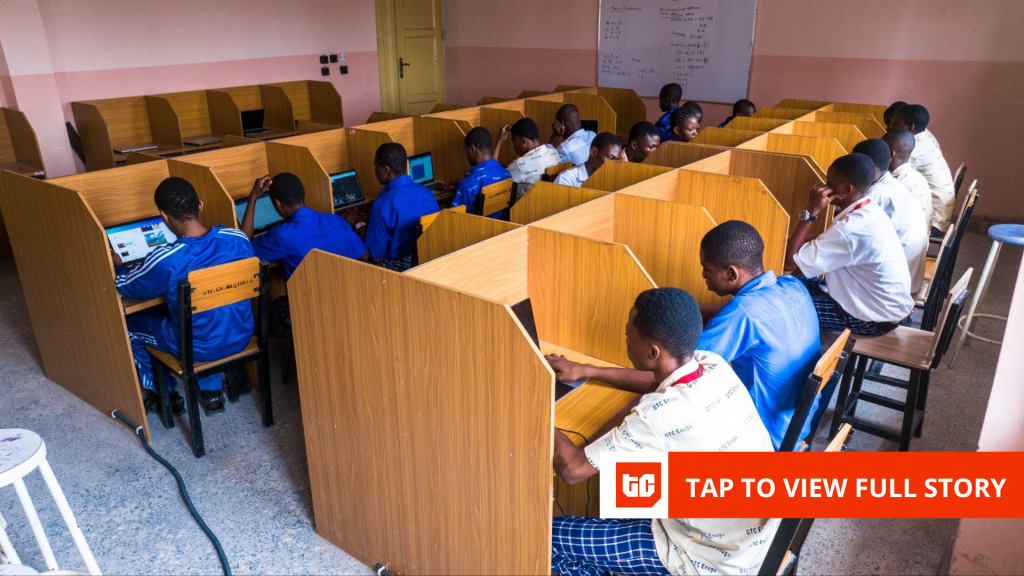
Enugu State has unveiled 260 Smart-Green-Schools across the state, a project Governor Peter Mbah describes as a “covenant with the future” designed to equip children with the skills to compete in the global economy.
Each school is built as a complete learning ecosystem featuring 25 digitally connected classrooms, ICT centres, robotics and AI labs, e-libraries, and spaces for hands-on learning. They are powered by renewable energy and include smart farms where pupils learn agriculture through practice. Every child receives free uniforms, books, meals, and tablets. The schools also have on-site clinics, water systems, and housing for teachers.
33 Percent of the Budget
Mbah has pledged to allocate 33 percent of the state budget to education, a figure that would be remarkable in any Nigerian state and is nearly triple the UNESCO-recommended minimum. The commitment suggests the smart schools are not a one-off project but part of a sustained investment in human capital.
Education administrator Isaiah Ogundele described the initiative as a step in the right direction. “When schools are well equipped with necessary tools and qualified educators, the learning outcome is always top-notch,” he said, adding that it would challenge institutions like WAEC to rethink their own standards.
Can It Work at Scale?
The ambition is not in question. 260 schools with robotics labs, renewable energy, and tablets for every child is a serious undertaking. The challenge will be execution. Building schools is the easy part. Staffing them with qualified teachers, maintaining the technology, keeping the renewable energy systems running, and ensuring that the curriculum actually produces digitally literate graduates, that is where most big education projects in Nigeria stumble.
TechCabal, which reported on the project, noted that “scale is the challenge.” Enugu is betting that the infrastructure investment will attract and retain the talent needed to make these schools work. If it does, the model could be replicated across the southeast and beyond. If it does not, the schools risk becoming expensive buildings with underused equipment and unmotivated teachers.
For now, the commitment is real and the investment is significant. Whether the 260 Smart-Green-Schools become a template for Nigerian education or a cautionary tale about infrastructure without execution will depend on what happens in the classrooms, not just in the press releases.
Sources: TechCabal, BusinessDay Nigeria

Written by
Emeka Nwosu
Tech journalist covering Nigerian startups, fintech regulation, digital policy, and innovation. Tech Writer at NaijaTrend.
You May Also Like
 Education
Benue Bans Phones In Schools, Compulsory Extra Lessons As New Session Begins
The Benue State Government has banned the use of mobile phones during school hours and outlawed compulsory extra lessons…
 Education
JAMB Releases 2026 UTME Mop-Up Results, Begins Candidate Ranking
The Joint Admissions and Matriculation Board has released the results of the 2026 Unified Tertiary Matriculation Examina…
 Education
Tinubu Appoints 39-Year-Old Prof Segun Aina as New JAMB Registrar
Aina’s Tech Background Points to Digital Reforms President Bola Tinubu has appointed Professor Segun Aina, 39, as…
 Education
FG Begins Payment of Outstanding Allowances to Stranded BEA Scholars Abroad
The Federal Government has commenced disbursement of outstanding allowances to Nigerian students under the Bilateral Edu…