What happened
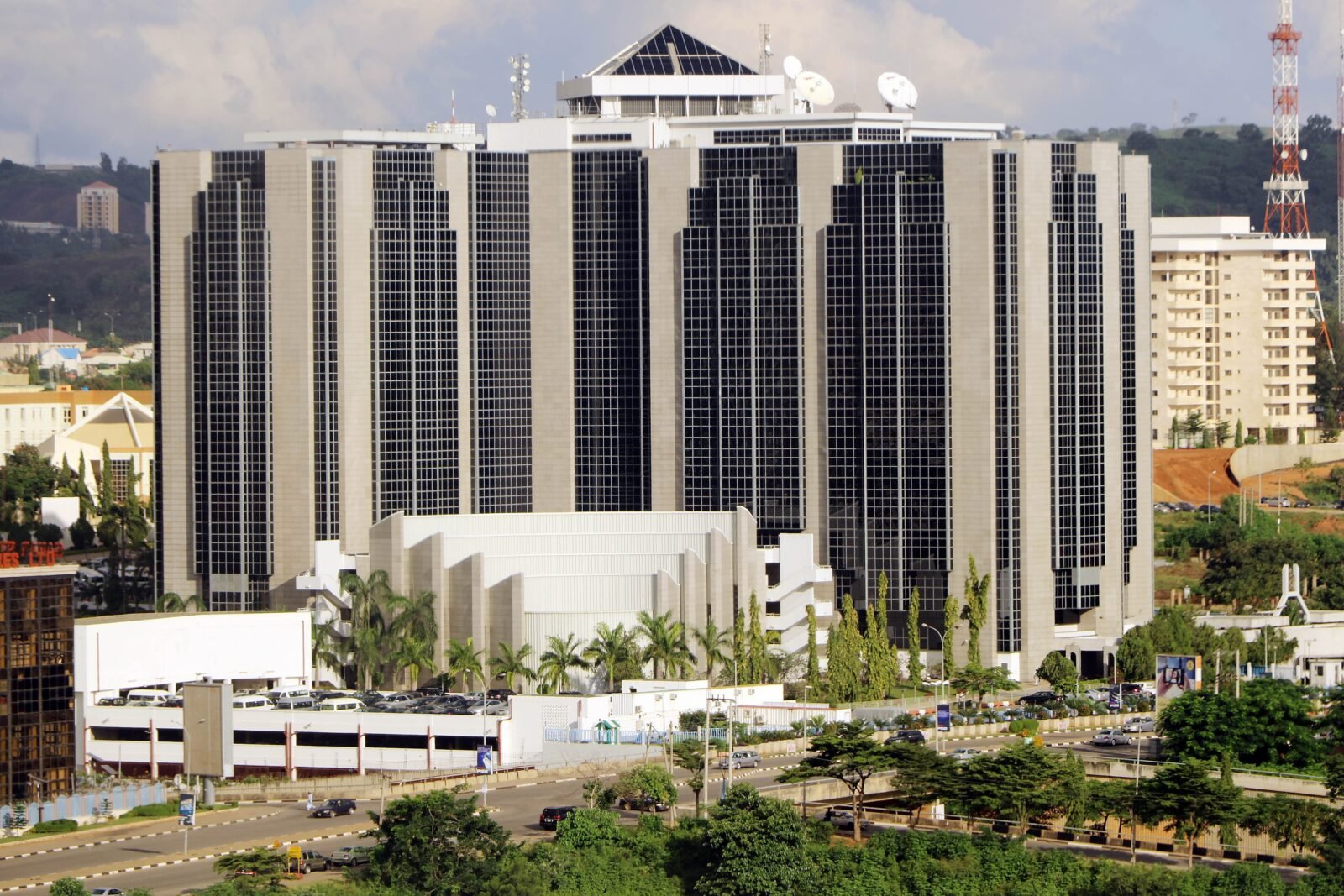
The Central Bank of Nigeria (CBN) has issued regulations for stablecoins and other non-security virtual assets, setting rules for the platforms Nigerians use to buy and sell them for naira.
The CBN’s circulars page dates the regulations 5 November, and BusinessDay reported that they took effect that day. They were issued under the virtual-assets executive order President Bola Tinubu signed in July.
The rules cover naira-referenced stablecoins, foreign-currency stablecoins, deposit money tokens issued by banks and any other token the CBN designates. They name no individual token. Virtual assets that count as securities stay with the Securities and Exchange Commission (SEC).
Why it matters
Any platform that matches buyers and sellers, holds tokens in escrow or helps settle trades now needs express CBN approval for that peer-to-peer (P2P) service, section 10 of the regulations says. A licence for another crypto service is not enough.
Before it releases or credits tokens, the platform must check that the name and Bank Verification Number (BVN) on the account that sent or received the naira match its verified customer. It must not knowingly allow third-party, nominee or mule accounts. Our earlier story set out the bank-name and BVN checks in detail.
Customers who trade as a business, judged by volume, frequency, number of counterparties and advertised rates, face extra checks and limits, and the platform must report them to the CBN.
P2P trades between naira and a foreign-currency stablecoin need separate express approval. The naira side must be settled through, or reported to, an authorised dealer for foreign-exchange monitoring. Splitting or routing trades to get around limits or reporting is banned.
Under section 11.1, no foreign-currency stablecoin may be offered, exchanged or held for people in Nigeria unless the CBN has approved it and a Nigerian-incorporated licensed issuer issues it. Such issuers need at least N15 billion in capital. Foreign stablecoins the CBN recognises may be used only for wholesale cross-border settlement, not sold to retail customers.
Purely private transfers between two people, with no platform involved, are outside the P2P rules.
What happens next
Existing operators must register with the CBN within 30 days and apply for a licence within 180 days of commencement. Until then they may continue only at their existing scale and on the CBN’s interim conditions, and must follow anti-money-laundering rules from the start. Platforms already running P2P services must apply for approval in the same period, and any operator that misses the deadline must stop until it is licensed.
Existing dollar-stablecoin arrangements need the CBN’s express interim permission to continue while they are assessed. The regulations do not set a separate date for existing platforms to start the bank-name and BVN check.
The CBN says it will publish a public register of every licence and approval it grants, with a list of unauthorised operators. It has not said when the first approvals will come.
Sources: CBN Regulations for the Operations of Non-Security Virtual Assets in Nigeria; BusinessDay
Go to the source
www.cbn.gov.ngSomething we should clarify?
Contact the newsroom