US, Iran Confirm Peace Deal as Hormuz Reopening Moves Markets
 Tunde Bakare
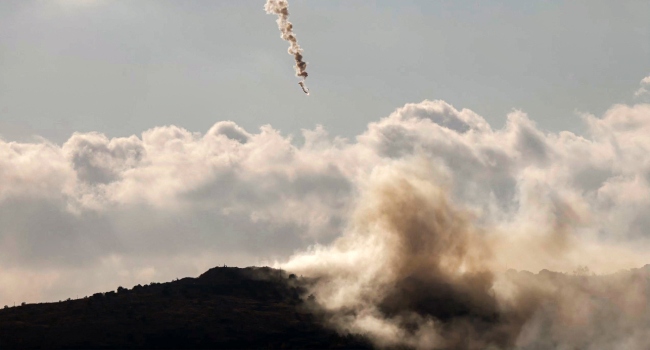
The United States and Iran have moved from a Pakistan-brokered announcement to public confirmation of a peace framework, with a signing ceremony expected in Switzerland on June 19.
Channels Television reported that Pakistan’s Prime Minister Shehbaz Sharif said the agreement had been reached after intensive talks, while US President Donald Trump later said the deal with Iran was complete.
Trump also said the Strait of Hormuz would reopen and that the United States naval blockade would be removed, adding in a social media post: “Let the oil flow!”
The draft has been updated because the earlier version was framed mainly around Pakistan’s announcement before full confirmation from Washington and Tehran. The newer reports now show the deal as a confirmed ceasefire framework rather than only a mediator’s claim.
Iran’s Deputy Foreign Minister Kazem Gharibabadi said on television that the deal brought an immediate end to the war and that talks on a final agreement would be held within two months, according to Channels Television.
The terms of the agreement have not been fully released. Reports from Al Jazeera and other international outlets described the expected signing as a peace deal or memorandum of understanding, with key details still to be clarified before and after the Switzerland ceremony.
Oil markets reacted quickly to the news. Channels Television reported that crude prices fell sharply on Monday, with West Texas Intermediate approaching $80 a barrel and Brent trading around $83.60 as investors priced in the reopening of Hormuz.
The Strait of Hormuz is one of the world’s most important energy routes, carrying a major share of global crude and gas shipments. Its reopening reduces immediate supply fears, though analysts warned that implementation, maritime clearance and regional restraint still matter.
The deal follows months of fighting involving the United States, Iran, Israel and Iran-linked groups in the region. It also comes after Israeli strikes in Lebanon created fresh concern that the talks could be delayed.
For Nigeria, the development matters because global crude prices, shipping confidence and inflation expectations can feed into government revenue projections, fuel-market pressure and foreign-exchange sentiment.
The story should now be treated as an updated confirmed-framework report, not merely a Pakistan-says announcement. Any final signed text on June 19 would be a separate follow-up if the terms materially change.
Sources: Channels Television, Al Jazeera, CNBC

Written by
Tunde Bakare
Political journalist covering Nigerian politics, the National Assembly, and electoral developments. Political Editor at NaijaTrend.
You May Also Like
 Politics
Macron hosts Tinubu to private dinner in Paris
French President Emmanuel Macron has hosted President Bola Tinubu to a private dinner at the Élysée Palace in Paris. Cha…
 Politics
INEC opens recruitment portal for 2027 election ad hoc staff
The Independent National Electoral Commission has opened its online recruitment portal for ad hoc staff ahead of the 202…
 Politics
Shettima says northern governors remark referred to APC primary
Shettima’s office said his reference to six northern governors was about pre-primary APC consultations, not the 2023 cam…
 Politics
Obi camp releases 2014 Anambra handover report in debt dispute
Peter Obi’s camp has released his 2014 Anambra handover report, bringing a detailed financial statement into the d…