Abuja Blackout Hits Villa, Airport, Embassies Before Power Is Restored
 Claudia Kane
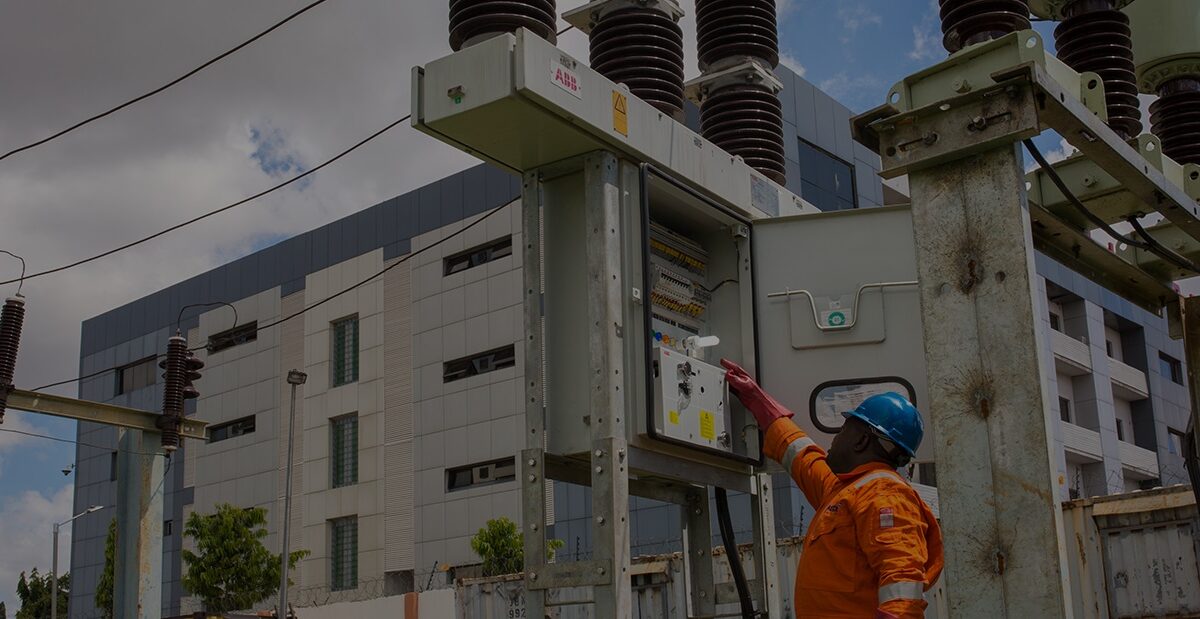
A wide power outage knocked out electricity in several parts of Abuja on Saturday, hitting the Presidential Villa, the Nnamdi Azikiwe International Airport, embassies, hospitals, hotels and large sections of Garki and Asokoro before supply was later restored.
Leadership reported that the Abuja Electricity Distribution Company, AEDC, blamed the disruption on a technical fault, while Daily Post said the problem was traced to the Transmission Company of Nigeria’s Apo Transmission Substation.
The outage drew attention because of the areas affected. This was not a quiet neighbourhood blackout. It touched key public institutions, diplomatic zones and airport-linked districts, which made the fault visible almost immediately.
Fault hit key public and diplomatic zones
Among the places affected were the European Union Embassy, the embassies of Sudan, Egypt, Pakistan, India and Turkey, as well as the National Hospital, Aviation Village, Lugbe and parts of the airport corridor. The scale of the outage quickly pushed the incident beyond a routine feeder trip.
AEDC said its engineers and TCN teams were working to restore supply after the fault disrupted service to multiple feeders across the capital. The company also appealed for patience from customers while the repair work continued.
For Abuja residents, the incident was another reminder that electricity supply in the capital still depends heavily on fragile transmission and distribution links. When a major substation develops a fault, the impact can move fast across government, business and residential districts.
Power restored after transformer repair
By Saturday night, AEDC announced that electricity had been restored after TCN completed work on the 100MVA transformer, also identified as TR3, at the Apo Transmission Substation. The company said supply had returned to the State House, airport, Garki, Lugbe and other affected areas.
The restoration eased immediate pressure, especially around the airport corridor and hospital areas. Still, the blackout exposed how one fault inside critical transmission infrastructure can ripple across major government and diplomatic zones in Abuja.
That is the bigger story here. Nigeria’s power problems are often discussed in broad national terms, but incidents like this show the practical risk: one damaged transformer can interrupt offices, hospitals, hotels, embassies and homes at the same time.
AEDC did not frame the outage as sabotage or a generation shortfall. The available reports point instead to a technical transmission fault that was fixed after repair work by TCN teams.
Sources: Leadership, Daily Post

Written by
Claudia Kane
General assignment reporter and News Editor at NaijaTrend. Covers breaking news, security, and national affairs across Nigeria.
You May Also Like
 News
News
LAWMA Arrests Meiran Resident Over Refuse Dumping In Drainage
The Lagos Waste Management Authority has arrested a Meiran resident accused of dumping refuse into a drainage channel du…
 News
News
Police Arrest Woman Over Fake OPay Shutdown Notice
Police have arrested 27-year-old Hafsat Abubakar over a forged notice that falsely claimed OPay Nigeria Limited was shut…
 News
News
Police Arrest Two Suspects Over Killing Of Kano Political Commentator
Police in Kano have arrested two suspects after the killing of political commentator Ibrahim Khalil Dan Shagamu at his h…
Ondo Investigates Suspected Poisoning After 24 Deaths
Ondo State authorities are investigating the deaths of 24 people in Odigbo Local Government Area after residents reporte…