Cooking Gas Hits ₦1,500 Per Kg as Iran War Disruptions Push Nigerian Households Back to Charcoal
 Amina Garba
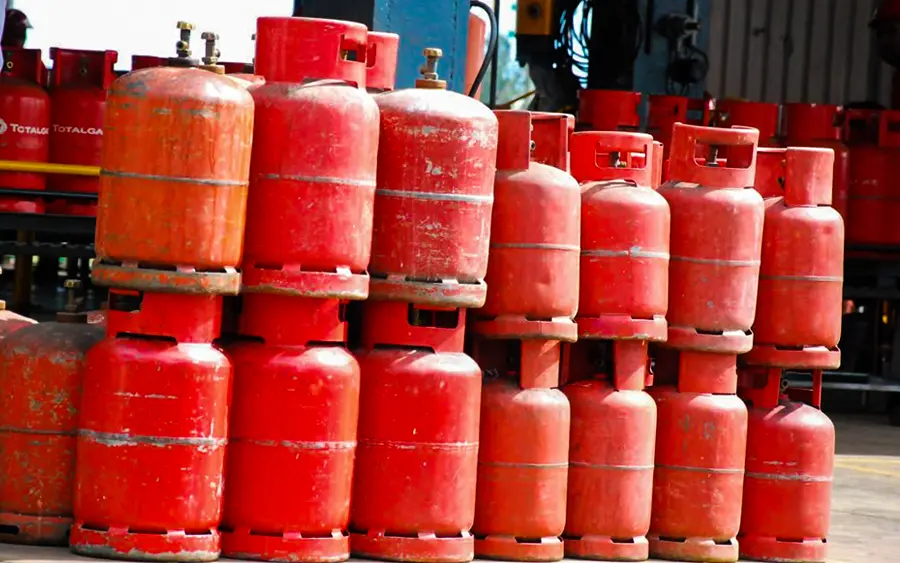
From ₦1,300 to ₦1,500 in one month
Cooking gas prices have climbed to ₦1,500 per kilogram across Nigeria, up from ₦1,300 in March — a 14.3 per cent jump in a single month. At the depot level, 20 metric tonnes of LPG now costs ₦21 million, up from ₦18 million.
Mr. Inyang Edu, National President of the Nigerian Association of Liquefied Petroleum Gas Marketers, confirmed the depot price. He said the increase has sharply reduced what consumers can afford, and that gas dealers are seeing much lower plant sales as people switch to charcoal and firewood.
A civil servant in Abuja, Halima Ibrahim, told Daily Trust she now relies mostly on charcoal. “To fill a 6kg cylinder is ₦7,800 and at times it does not last for a month. This is a commodity I once bought at ₦300 per kilo,” she said.
The Iran war connection
The root cause is no mystery to marketers. Inyang Edu linked the price spike directly to the Middle East crisis, which has disrupted oil production and shipping routes. Nigeria’s domestic LPG supply dropped from 5.1 metric tonnes per day in December 2025 to 4.7 metric tonnes in February 2026 because of global energy disruptions.
Even the Dangote refinery, which sells at a cheaper rate of about ₦16 million for 20 metric tonnes to off-takers, cannot fill the gap. Dangote recently announced he receives only five of 13 crude oil allocations required, forcing him to import crude. Those off-takers then add their margins before selling to marketers, pushing retail prices even higher.
Nigeria produces more gas than any other country on the continent but still imports more than 60 per cent of its LPG because processing and storage infrastructure is inadequate.
A pattern that keeps repeating
According to the National Bureau of Statistics, the average price to refill a 12.5kg cylinder jumped from ₦9,000 in October 2023 to about ₦16,000 in August 2025 — a 78 per cent increase in under two years. Now, with some vendors charging ₦18,000 or more for a 12.5kg refill, the pressure on household budgets is intense.
In Kano, 12.5kg sells for ₦16,800 at some outlets. In Abuja, ₦1,300 per kilogram is the going rate. The South-South region reports the highest prices overall.
For many families, the calculation is simple: charcoal is cheaper, even if it means worse air quality and longer cooking times. Until the supply bottlenecks ease or the war in the Middle East de-escalates, there is not much reason to expect relief.
Sources: Daily Trust, Pulse Nigeria

Written by
Amina Garba
Financial reporter covering CBN policy, oil and gas, government budgets, and macroeconomic trends. Business Writer at NaijaTrend.
You May Also Like
 Business
NCC Begins Registration Of SIM-Enabled Devices, Targets Illegal Imports
The Nigerian Communications Commission has begun registering and authenticating SIM-enabled devices as it moves to tight…
 Business
NUPRC Threatens Revocation Of Idle Flare Gas Permits
The Nigerian Upstream Petroleum Regulatory Commission has warned that companies sitting on flare gas commercialisation p…
 Business
Reps Begin Probe Into N432bn Oil Revenue Debt
The House Public Accounts Committee is investigating debts owed to NMDPRA by NNPCL and oil marketers after audit finding…
 Business
Appeal Court Upholds Ex-NEXIM Bank MD Roberts Orya’s Fraud Conviction
The Court of Appeal in Abuja has upheld the fraud conviction of Roberts Orya, a former managing director of the Nigerian…