Nigeria May Cancel World Bank Loans Over Disbursement Delays — AGF
 Amina Garba
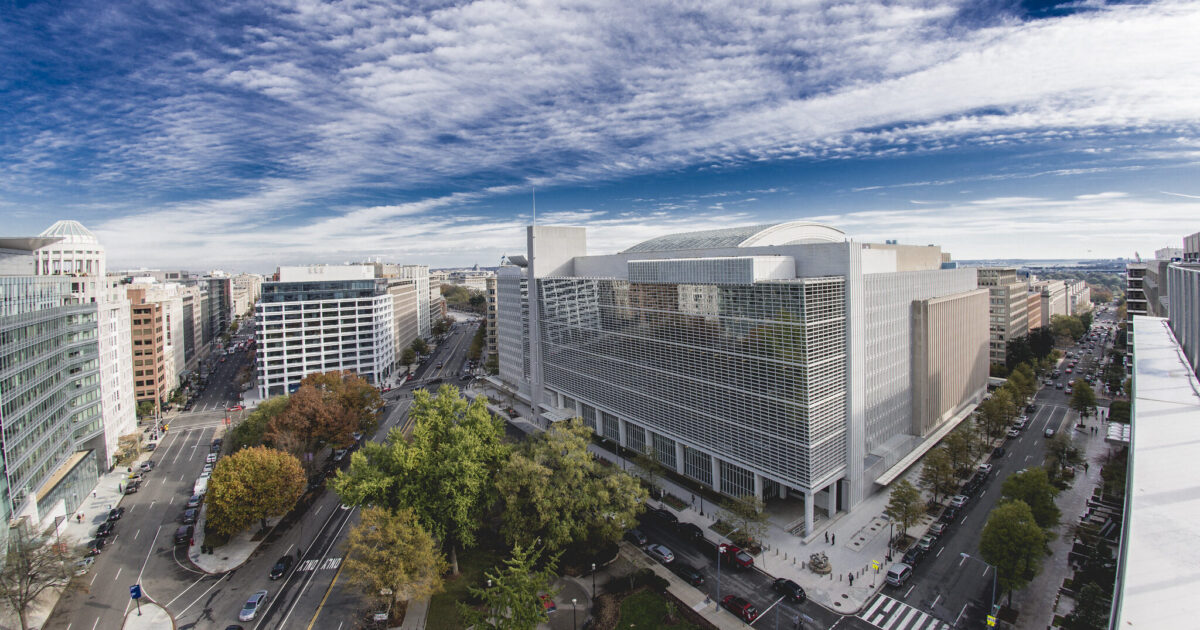
Nigeria’s Accountant-General of the Federation (AGF), Dr Shamseldeen Ogunjimi, has put the World Bank on notice — if loan approval and disbursement processes keep dragging beyond six months, Nigeria may simply walk away from those arrangements.
Ogunjimi made the warning during a courtesy visit by a World Bank delegation led by Mrs Treed Lane to his office in Abuja on Friday. The statement that followed, issued by his Director of Press and Public Relations, Bawa Mokwa, left little room for diplomatic softening.
“If approvals take more than six months, the Nigerian Government may no longer honour such arrangements,” the AGF said, according to the statement.
The Core Complaint: Loans That Never Arrive
At the centre of the frustration are about six World Bank loans worth approximately $2 billion that were signed for Nigeria in 2024. Despite receiving World Bank board approval, the funds have not moved — or have moved far too slowly — nearly a year later.
Ogunjimi’s position was straightforward: these are not grants. Nigeria will eventually repay whatever it borrows, so the government expects disbursements to align with actual project timelines and fiscal planning. Delays, he argued, don’t just slow down construction or service delivery — they undermine the entire logic of taking on debt in the first place.
He urged the World Bank to “expedite the approval and disbursement of project funds to Nigeria” and said lengthy timelines were already disrupting project execution and weakening development objectives.
World Bank Responds
The Bank’s Senior External Affairs Officer in Nigeria, Mansir Nasir, pushed back gently. He explained that disbursements are not one-off transfers but are released in stages tied to agreed project milestones and financing structures.
That explanation, however, may do little to satisfy a government that has been waiting on funds it budgeted against and told the public would come.
Nigeria Showing Progress on Its End
Ogunjimi also used the meeting to address concerns the World Bank had previously raised about Nigeria’s side of the equation — specifically issues around public financial management and audit reporting.
He disclosed that the 2023 Audit Report would be submitted to the Office of the Auditor-General of the Federation within two weeks, with work already underway on the 2024 and 2025 reports. He also said outdated infrastructure in the Government Integrated Financial Management Information System (GIFMIS) was being replaced.
Lane, for her part, congratulated Ogunjimi on his appointment as African Chairman of the Association of Accountants-General and encouraged the office to maintain momentum on its digitalisation drive.
What This Means
The warning is notable because Nigeria rarely takes this posture with multilateral lenders. The country has historically been cautious about pushing back on institutions like the World Bank, which remain important development finance partners. That the AGF is now drawing a six-month line in public signals real frustration inside Abuja over how these loan arrangements are being managed.
Whether the World Bank adjusts its disbursement pace — or whether Nigeria follows through on the threat — will be worth watching.
Sources: Sahara Reporters, Premium Times, Punch, Nairametrics

Written by
Amina Garba
Financial reporter covering CBN policy, oil and gas, government budgets, and macroeconomic trends. Business Writer at NaijaTrend.
You May Also Like
 Business
Dangote Refinery Raises $2.5bn In Private Equity Placement
Dangote Petroleum Refinery and Petrochemicals says it has raised about $2.5 billion in fresh equity through a private pl…
 Business
Dangote Refinery Restores Naira Petrol Loading at ₦1,215 Per Litre
Dangote Petroleum Refinery has resumed naira-denominated petrol loading for marketers after a week-long suspension, sett…
 Business
Ibom Power Says Debt and Gas Shortage Kept 191MW Plant Largely Idle
Ibom Power Company says a prolonged gas shortage and unpaid legacy obligations left its 191-megawatt plant largely idle…
 Business
CBN Tells Senate Inflation Eased to 15.91% in June
Central Bank Governor Olayemi Cardoso told a Senate committee that headline inflation eased slightly to 15.91 per cent i…