FG Warns Inflation Could Hit 20% as Middle East Crisis Keeps Oil Prices High
 Amina Garba
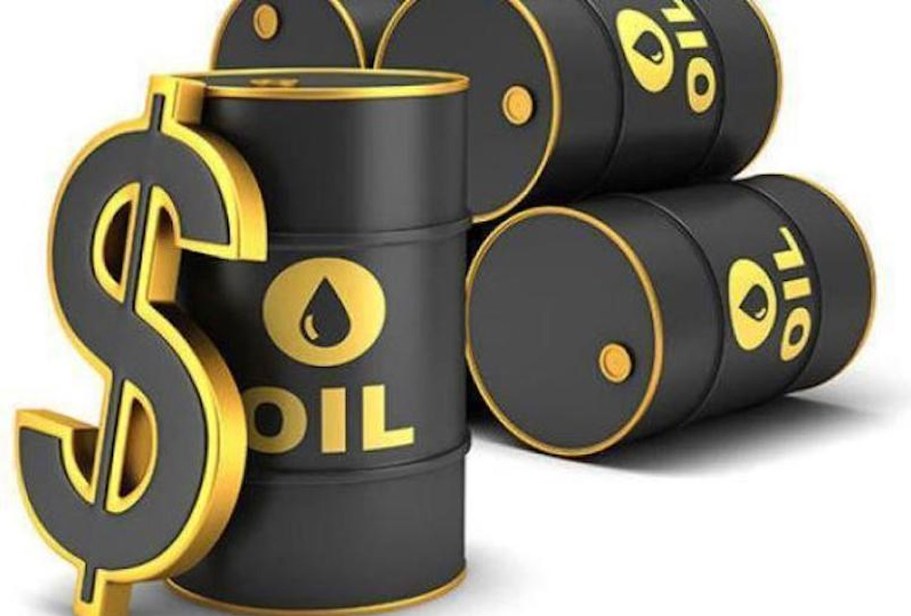
The Federal Government has warned that Nigeria’s inflation could hit 20 percent if the global oil price surge doesn’t cool — a sobering reality check for anyone who thinks the Middle East crisis is just filling government coffers.
Fasua: oil windfall could be swallowed by inflation
The warning came from Dr. Tope Fasua, Chief Economic Adviser to President Bola Tinubu, speaking at the Nigeria-South Africa Chamber of Commerce monthly breakfast in Lagos on Saturday.
“People are recalculating how much crude oil is today and multiplying it by 1.5 million barrels per day, believing the country is making so much money,” Fasua said. “But the big problem is that if we are not careful, inflation will erode all of that money.”
He was blunt about the numbers: “If this crude oil price does not come down, inflation may hit up to 20 percent.”
Rewane sees the same pattern
The grim forecast lines up with a separate assessment from Bismarck Rewane, CEO of Financial Derivatives Company, who told a Lagos economic summit that inflation could climb from 15 percent to 19 percent by May. He pinned the jump on a 42 percent hike in petrol prices — which he calculates will add 3 to 4 percentage points to headline inflation “in the next two to three months.”
Since US and Israeli strikes on Iran escalated four weeks ago, the Strait of Hormuz — the chokepoint for roughly 20 percent of the world’s oil — has been effectively disrupted. In Nigeria, diesel is up more than 44 percent, petrol has surged over 68 percent, and transport costs have risen roughly 20 percent, according to FDC data.
Budget ambitions and rate decisions
Fasua also revealed that the government has revised its revenue projections upward, crediting improved tax collections by the Nigeria Revenue Service and Customs after tax reforms. He went further, calling for a N100 trillion national budget to close the country’s infrastructure gap and urging governors who brag about not borrowing to reconsider.
The Central Bank’s Monetary Policy Committee meets on May 19 and 20 to decide on interest rates. With inflation now threatening to reverse months of gradual decline, analysts expect the bank to hold steady rather than continue the rate-cutting that started in February.
The paradox is hard to miss: higher oil prices are bringing in more revenue, but they’re also driving up the cost of nearly everything Nigerians buy.
Sources: THISDAY, BusinessDay

Written by
Amina Garba
Financial reporter covering CBN policy, oil and gas, government budgets, and macroeconomic trends. Business Writer at NaijaTrend.
You May Also Like
 Business
NCC Begins Registration Of SIM-Enabled Devices, Targets Illegal Imports
The Nigerian Communications Commission has begun registering and authenticating SIM-enabled devices as it moves to tight…
 Business
NUPRC Threatens Revocation Of Idle Flare Gas Permits
The Nigerian Upstream Petroleum Regulatory Commission has warned that companies sitting on flare gas commercialisation p…
 Business
Reps Begin Probe Into N432bn Oil Revenue Debt
The House Public Accounts Committee is investigating debts owed to NMDPRA by NNPCL and oil marketers after audit finding…
 Business
Appeal Court Upholds Ex-NEXIM Bank MD Roberts Orya’s Fraud Conviction
The Court of Appeal in Abuja has upheld the fraud conviction of Roberts Orya, a former managing director of the Nigerian…