NLNG Dedicates 100% of Nigeria’s LPG Production to Domestic Market
 Amina Garba
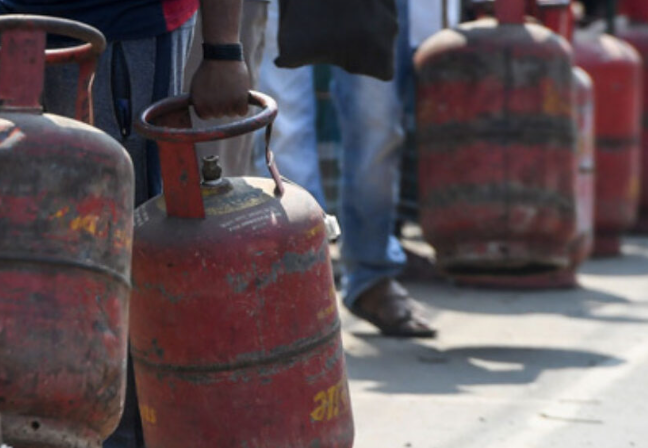
Nigeria LNG Limited (NLNG) now channels every last drop of its cooking gas production to the domestic market, Managing Director Adeleye Falade has confirmed — a move that marks a full pivot away from exports for the country’s Liquefied Petroleum Gas (LPG).
“Today, 100 percent of our LPG production is dedicated to the domestic market — not due to reduced output, but because demand has expanded significantly,” Falade said during a courtesy visit to the Nigerian Upstream Petroleum Regulatory Commission (NUPRC) in Abuja.
Half a Million Metric Tons a Year
NLNG currently supplies close to 500,000 metric tons of LPG annually to Nigerian homes and businesses. In 2023, the figure stood at 493,000 metric tons — nearly identical to the 498,000 metric tons delivered in 2022, and a sharp jump from 399,000 metric tons in 2021. The company now meets about 30 percent of Nigeria’s total cooking gas demand, estimated at around 1.5 million metric tons.
The decision to go all-in on domestic supply was made by NLNG’s Board of Directors back in 2022, and Falade framed it as a deliberate market-shaping play rather than a forced adjustment.
Train 7 Loading
Beyond current output, Falade pointed to the upcoming Train 7 expansion — expected to come online next year — which will boost NLNG’s production capacity by roughly 35 percent. That extra muscle, he said, would allow the company to scale both domestic supply and export volumes.
NUPRC Commission Chief Executive, Mrs Oritsemeyewa Eyesan, who received the NLNG delegation, welcomed the news and framed it within the broader “Decade of Gas” agenda. “We are deliberately repositioning the Commission as a business enabler,” she said, adding that monthly stakeholder engagements now track industry performance and resolve bottlenecks before they blow up.
She challenged operators to match government responsiveness: “As government continues to be responsive, operators must demonstrate reciprocity through performance, compliance, and investment discipline.”
For Nigerian households still wrestling with cooking gas prices that have hovered between ₦950 and ₦1,550 per kilogram, the promise of more supply staying home is the kind of signal that matters.
Sources: The Nation, NLNG, The Daily NG, NUPRC

Written by
Amina Garba
Financial reporter covering CBN policy, oil and gas, government budgets, and macroeconomic trends. Business Writer at NaijaTrend.
You May Also Like
 Business
Nigeria, Cameroon Begin Joint Assessment Of Mfum-Ekok Border Post
Nigeria and Cameroon have started a joint assessment of the Ekok-Mfum One-Stop Border Post and launched a border moderni…
 Business
NCC Begins Registration Of SIM-Enabled Devices, Targets Illegal Imports
The Nigerian Communications Commission has begun registering and authenticating SIM-enabled devices as it moves to tight…
 Business
NUPRC Threatens Revocation Of Idle Flare Gas Permits
The Nigerian Upstream Petroleum Regulatory Commission has warned that companies sitting on flare gas commercialisation p…
 Business
Reps Begin Probe Into N432bn Oil Revenue Debt
The House Public Accounts Committee is investigating debts owed to NMDPRA by NNPCL and oil marketers after audit finding…