China Activates Zero-Tariff Access for Nigeria and 52 Other African Countries
 Amina Garba

Nigeria is now part of a historic trade arrangement with China. From May 1, 2026, China has activated zero-tariff treatment for 53 African nations — Nigeria included — in what analysts are calling the largest single preferential trade expansion in Sino-African history.
The policy builds on an earlier arrangement that already covered 33 least-developed African countries. China has now extended the same treatment to 20 more nations, including Nigeria, effectively bringing every African country with diplomatic ties to Beijing under the zero-tariff umbrella. China becomes the first major global economy to implement such a sweeping unilateral tariff policy toward an entire continent.
What Nigerian Exporters Stand to Gain
Under the new framework, Nigerian goods — particularly agricultural exports such as sesame, ginger, cashews, and cocoa — will enter the Chinese market duty-free, provided they meet rules of origin, quality, and inspection standards. The removal of tariffs is expected to lower export costs, boost trade volumes, and create more stable Chinese demand for Nigerian products.
Experts say the policy could also accelerate value addition at home. As Chinese demand grows, there is an incentive for Nigeria to move beyond raw commodity exports toward processed goods — food processing, packaging, logistics, and quality assurance stand to benefit.
The Bigger Picture
Chinese officials have indicated that technical support and access to major trade platforms — including the China International Import Expo and the Canton Fair — will be made available to African exporters. The zero-tariff initiative is also part of broader negotiations toward a China-Africa economic partnership agreement aimed at further reducing trade barriers.
Nigeria-China trade has been growing steadily, with China remaining one of Nigeria’s largest import partners. Whether Nigeria can convert this market opening into real export gains will depend on scaling production, meeting Chinese quality standards, and developing the logistics infrastructure to service the demand.
Sources: Vanguard, BBC, Bloomberg

Written by
Amina Garba
Financial reporter covering CBN policy, oil and gas, government budgets, and macroeconomic trends. Business Writer at NaijaTrend.
You May Also Like
 Business
Otedola Buys N77.6bn First HoldCo Shares, Raises Stake To 21.95%
Femi Otedola has bought another large block of First HoldCo shares, raising his stake in the banking group to 21.95 per…
 Business
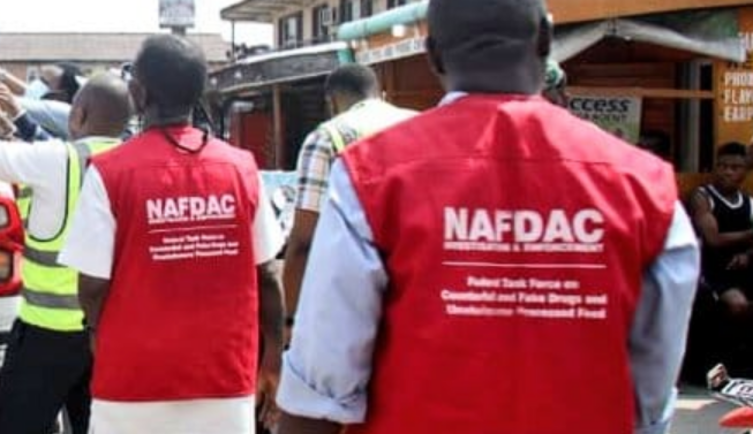
NAFDAC Seizes Edible Oil Tankers Found Carrying Diesel In Lagos
NAFDAC has seized two tankers meant for edible vegetable oil after they were found carrying diesel in Lagos. The agency…
 Business
CREDICORP Launches CLICKD Laptop Credit Scheme With 3MTT Programme
The Nigerian Consumer Credit Corporation has launched the CLICKD scheme with the Federal Government’s 3MTT programme to…
 Business
NUPRC Awards 37 Oil Blocks To 31 Companies, Warns Against Delays
The Nigerian Upstream Petroleum Regulatory Commission has named 31 companies as winners of 37 oil and gas blocks in the…