Nigeria Names 48 Alleged Terrorism Sponsors in First-Ever Public List
 Claudia Kane
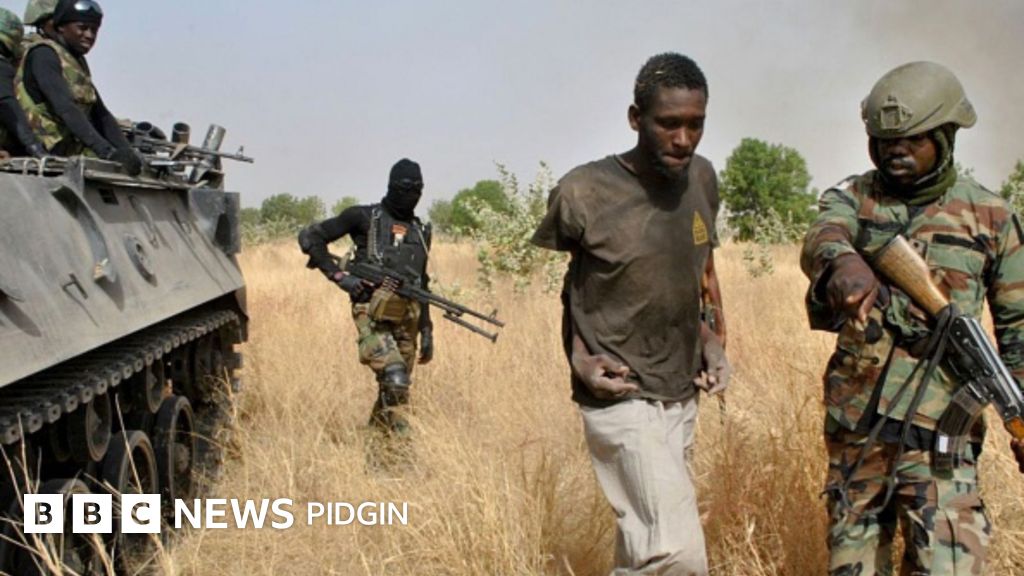
Nigeria just dropped a list of 48 individuals and 12 organisations it says are sponsoring terrorism inside the country. The Nigeria Sanctions Committee published the names on Friday, though you would be forgiven for wanting more detail. The list lacks nationalities, photographs, gender markers, and any real explanation of what each person allegedly did. It is a list of names and not much else.
This is the first time Nigeria has published such a list under its 2022 terrorism law, which created the national sanctions body to enforce United Nations Security Council measures. The sanctions include asset freezes and travel restrictions. They are binding on everyone and every institution inside Nigeria.
Some of the names do come with context. One suspect is described as a senior commander of ISWAP in Okene, the suspected attacker behind the St. Francis Catholic Church massacre in Owo, Ondo State on June 5, 2022, and the Kuje Correctional Center breakout in Abuja on July 5, 2022. Another is an Ansarul Muslimina member tied to Al-Qaeda in the Islamic Maghreb, trained under Muktar Belmokhtar, and described as an IED expert who escaped from Kuje prison during that same July 2022 attack. A third suspect allegedly sourced ISWAP finances through cryptocurrency, dating scams, and COVID-19 palliative fraud targeting the United States.
The publication comes in the same week Nigerian authorities began prosecuting over 500 suspects in what is being called one of the country’s largest terrorism trials. So far, 386 people have been convicted. The charges relate to aiding and abetting militant activity, mostly in the north-east where the Boko Haram insurgency started over a decade ago.
Violence has since spread well beyond that region. Armed groups and kidnap gangs called bandits operate across large parts of the country. The government recently designated bandit groups as terrorist organisations to widen its counter-terrorism scope. Yet prosecutions remain rare, and suspects often sit in detention for long stretches without trial, raising serious questions about due process.
Groups like Boko Haram, ISWAP, and JNIM continue to complicate stability efforts across the region. The US State Department this week told its citizens to reconsider travel to Nigeria, citing terrorism, kidnapping, and civil unrest as reasons.
The list is a step forward in transparency. Whether it leads to actual accountability is another matter entirely. Publishing names without supporting detail leaves room for doubt, and doubt is the last thing Nigeria’s fight against terrorism needs right now.
Sources: BBC Pidgin, NaijaNews, Vanguard

Written by
Claudia Kane
General assignment reporter and News Editor at NaijaTrend. Covers breaking news, security, and national affairs across Nigeria.
You May Also Like
 News
News
Police Confirm Shooting At Osun Garage, Say Five Deaths Not Verified
Police in Osun State have confirmed a shooting around Naira and Kobo Garage in Ikire, Irewole Local Government Area, but…
 News
News
Abuja Continental Workers Reject Union Move As TUC, NLC Picket Hotel
Workers at Abuja Continental Hotel openly rejected moves to unionise them on Monday as the Trade Union Congress of Niger…
 News
News
Mangu Group Says Plateau Attacks Death Toll Has Risen To 28
A Plateau community group says the death toll from attacks on Bin Mper and Murish communities in Mangu Local Government…
 News
News
Army Arrests Three Suspected Gun Runners, Rescues Six In Zamfara
Troops of 1 Brigade, Nigerian Army, have arrested three suspected gun runners in Zamfara State and rescued six people fr…