CBN Introduces Nigerian Overnight Financing Rate (NOFR) to Align With Global Benchmarks
 Amina Garba
The Central Bank of Nigeria on Friday introduced the Nigerian Overnight Financing Rate, or NOFR, as a new benchmark for the country’s money market. It was developed in partnership with the Financial Markets Dealers Association (FMDA).
The CBN’s Acting Director of Corporate Communications, Hakama Sidi-Ali, announced the rate in a statement, calling it a step toward bringing Nigeria in line with how other major economies handle short-term interest rate benchmarks.
NOFR is a risk-free benchmark that tracks the actual cost of overnight secured lending between banks. Unlike projections or estimates, it draws strictly from real transactions, which the CBN says makes it more accurate and credible. The rate gets published daily at 10:00 a.m. on the next business day and applies only to naira-denominated overnight secured interbank deals that meet specific criteria.
How the calculation works
The rate uses a volume-weighted trimmed mean approach, meaning it strips out outlier transactions to keep the number reliable. If there is not enough transaction data on a given day, the previous day’s rate carries over and gets flagged clearly so everyone knows.
The CBN was careful to point out that NOFR does not replace the Monetary Policy Rate or any existing tool. Think of it more as a reference point for pricing financial instruments, contracts, and some corporate loans.
Nigeria joins the global club
With NOFR, Nigeria now sits alongside economies that already use similar benchmarks: SOFR in the United States, SONIA in the United Kingdom, eSTR in the Eurozone, TONA in Japan, and JIBAR in South Africa.
The framework came out of a stakeholder engagement on February 27, 2026, where market participants agreed on the structure before getting regulatory sign-off. NOFR is already operational, with the CBN running it as administrator.
What this means in practice
For investors, the benchmark should make it easier to value, price, and manage risk on naira assets, which could deepen activity in the domestic money market. For everyday Nigerians, the CBN says not to expect immediate changes in loan or savings rates. But the idea is that more transparency in how overnight rates work will gradually strengthen confidence in the financial sector overall.
On governance, the CBN said rate adjustments would only happen if significant errors are found, and any changes would be disclosed. The methodology gets reviewed at least once a year to stay in step with market realities.
Sources: NaijaBlitzNews, CBN

Written by
Amina Garba
Financial reporter covering CBN policy, oil and gas, government budgets, and macroeconomic trends. Business Writer at NaijaTrend.
You May Also Like
 Business
SERAP Sues NNPCL Over Alleged ₦211tn Unexplained Oil Money
SERAP wants a Federal High Court order compelling NNPCL to explain more than ₦211 trillion recorded in its 2023 accounts…
 Business
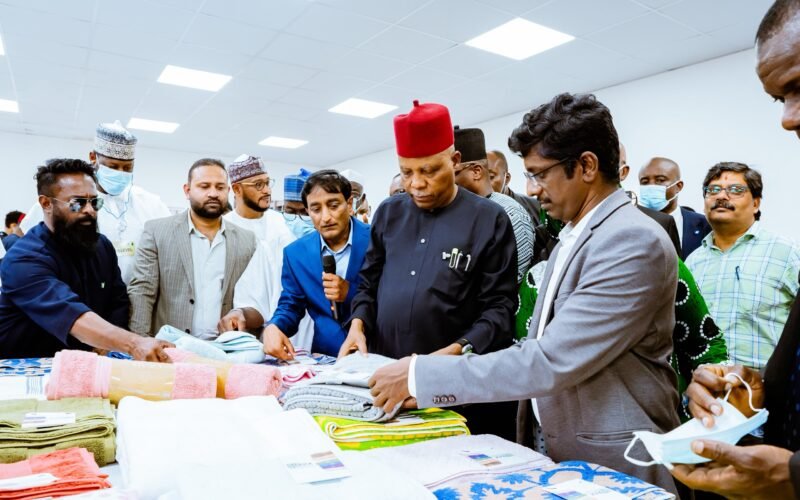
Shettima Says Nigeria Will Replicate Benin Agro-Industrial Model
Vice President Kashim Shettima says Nigeria will draw lessons from Benin Republic’s Glo-Djigbé Industrial Zone as the Fe…
 Business
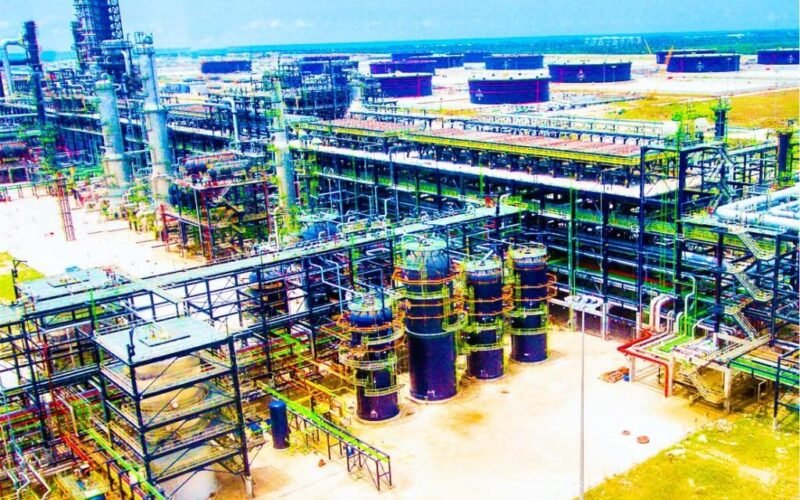
Dangote Refinery Raises $2.5bn In Private Equity Placement
Dangote Petroleum Refinery and Petrochemicals says it has raised about $2.5 billion in fresh equity through a private pl…
 Business
Dangote Refinery Restores Naira Petrol Loading at ₦1,215 Per Litre
Dangote Petroleum Refinery has resumed naira-denominated petrol loading for marketers after a week-long suspension, sett…