US Escalates Nigeria Travel Warning, Orders Embassy Staff Out of Abuja
 Tunde Bakare
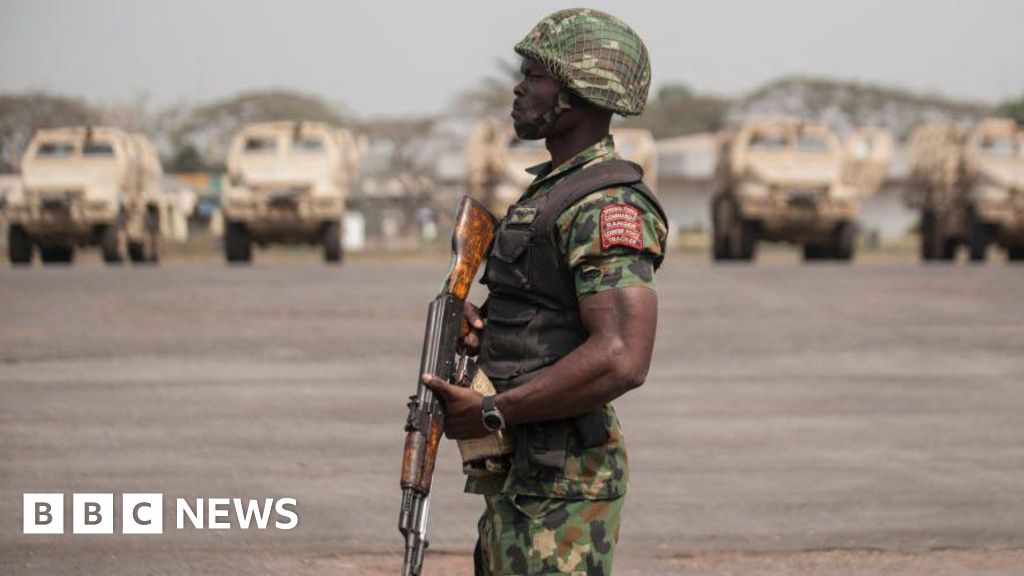
The United States has significantly escalated its travel advisory for Nigeria, ordering all non-emergency embassy staff and their families to leave Abuja while placing 23 of Nigeria’s 36 states under its most severe “Do Not Travel” warning.
The updated advisory, issued Wednesday by the State Department, cites terrorism, civil unrest, kidnapping, and armed crime as the primary risks. Nigeria as a whole remains at Level 3 — “Reconsider Travel” — but the addition of new states to the Level 4 category signals a sharp deterioration in the security assessment.
23 States Now on “Do Not Travel” List
States newly added to the most severe category include Plateau, Jigawa, Kwara, Niger, and Taraba, joining long-flagged northeastern states like Borno and Yobe. The advisory warns that attacks could occur “with little or no warning” in public spaces including markets, hotels, places of worship, schools, and transport hubs.
The embassy also cancelled all visa appointments in Abuja, further restricting US presence in the capital.
Federal Government Pushes Back
Minister of Information Mohammed Idris described the advisory as a “routine precaution based on internal protocols” that does not reflect the overall security situation in Nigeria. “While we acknowledge isolated security challenges in some areas, there is no general breakdown of law and order, and the vast majority of the country remains stable,” the statement read.
However, security analysts note the gap between the government’s position and reality on the ground. West Africa security analyst Scott Morgan said: “Allowing non-essential staff and families to leave shows the Tinubu government is failing at security efforts. The US takes this step when conflict escalates or when diplomatic facilities may be at risk.”
What This Means for Nigerians
Businesses have warned that repeated high-risk travel guidance by Western governments risks reinforcing perceptions of Nigeria as unsafe, even in areas without active conflict. There are growing concerns about the impact on diaspora travel, international conferences, foreign investment, and development activity at a time when Nigeria is actively seeking economic recovery.
The advisory also highlighted the growing cooperation between extremist groups and local criminal gangs, a trend complicating Nigeria’s security landscape and raising fears that the Sahel’s jihadist conflict is creeping southward toward coastal West African states.
Sources: BBC, Reuters, Legit.ng, Business Post Nigeria, Pulse Nigeria

Written by
Tunde Bakare
Political journalist covering Nigerian politics, the National Assembly, and electoral developments. Political Editor at NaijaTrend.
You May Also Like
 News
News
US Sends Fresh Military Equipment To Nigeria Under Arms Deal
The United States has delivered a fresh consignment of military equipment to the Nigerian Air Force under an arms-sales…
 News
News
Navy Arrests Three With 71kg Suspected Cannabis In Kogi
The Nigerian Navy has arrested three people with 71 kilogrammes of substances suspected to be cannabis during a patrol a…
 News
News
Oluremi Tinubu Opens South-East Food Bank In Anambra
Nigeria’s First Lady, Oluremi Tinubu, has opened the South-East phase of the National Community Food Bank Programme in A…
 News
News
Minor Fire Hits Abuja Idu Train Station, Operations Continue
A minor fire damaged electrical installations at Abuja’s Idu Train Station on Wednesday evening, but the Nigerian Railwa…