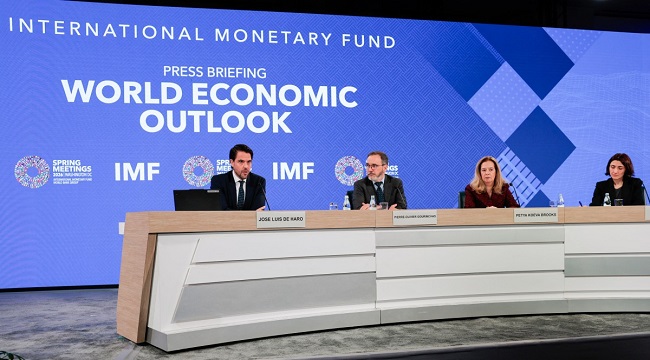
The International Monetary Fund (IMF) has disclosed that Nigeria accounts for about 60 percent of stablecoin inflows into Sub-Saharan Africa, warning that the rapid adoption of crypto assets poses risks to monetary policy and financial integrity.
According to a Vanguard report citing the IMF, Nigeria now ranks second globally in crypto inflows, with about $59 billion in transactions recorded, much of it flowing through stablecoins pegged to the U.S. dollar.
The IMF said stablecoins had become a key bridge between crypto markets and traditional finance in Nigeria, driven by foreign-exchange constraints and a heavy reliance on remittances.
Fund officials, however, raised concerns about the regulatory risks associated with the rapid uptake of crypto assets, particularly around illicit finance, money laundering, and capital outflows.
The report noted that the naira’s continued volatility and restrictions on dollar access have pushed more Nigerians toward dollar-pegged stablecoins as a store of value and means of cross-border payment.
TheCable, citing the same IMF data, reported that the surge in stablecoin use is reshaping how Nigerians send and receive money, particularly in the diaspora, with informal peer-to-peer channels increasingly routing through crypto wallets.
The IMF urged Nigerian regulators to strengthen oversight of crypto service providers and tighten identity-verification requirements on virtual asset platforms, while warning that a full ban would likely push activity further underground.
The findings come as the Federal Government has moved to formalise digital asset rules under the Investments and Securities Act and the proposed Virtual Asset Service Providers framework.
Sources: Vanguard; TheCable; Channels TV
Something we should clarify?
Contact the newsroom