Nigeria’s Foreign Reserves Hit $50.11 Billion — 17-Year High
 Amina Garba
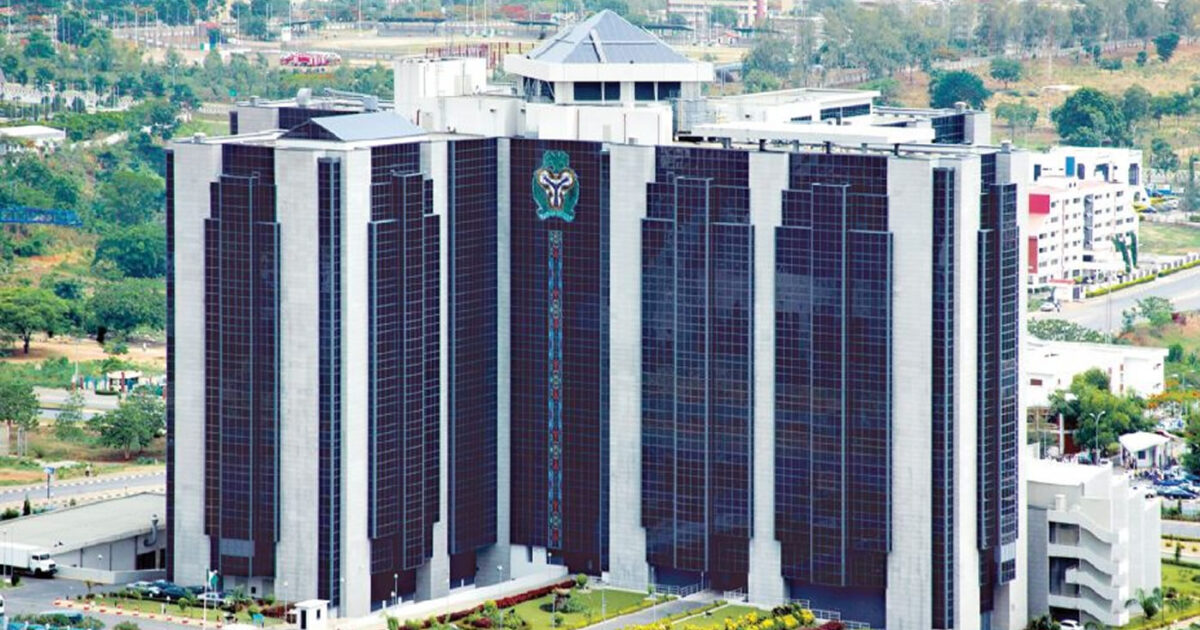
Nigeria’s foreign reserves have risen to about $50.11 billion, a level described in multiple reports as the country’s strongest reserve position in 17 years.
The reserve level is important because it shows the size of the Central Bank of Nigeria’s foreign-currency buffer. A stronger reserve position can improve confidence in the naira, support external payments and give monetary authorities more room to manage pressure in the foreign exchange market.
The increase comes after a period in which businesses and investors closely watched Nigeria’s dollar liquidity, exchange-rate reforms and the CBN’s efforts to clear backlogs and stabilise the currency market.
Foreign reserves are shaped by several factors, including crude oil earnings, non-oil exports, capital inflows, debt receipts, diaspora remittances and the pace of official dollar sales. The reports confirm the reserve level, but they do not by themselves prove how much each factor contributed to the rise.
For households and businesses, higher reserves do not automatically mean prices will fall or the naira will strengthen immediately. But they can help improve confidence if supported by steady inflows, disciplined spending and transparent currency management.
The next test will be whether the reserve position remains strong over the coming months as import demand, debt obligations and market intervention needs continue.
The reserve figure will be watched closely by importers, manufacturers and portfolio investors because it affects expectations around dollar availability. Stronger reserves can reduce panic in the market, but confidence also depends on policy consistency and whether the CBN allows transparent price discovery.
Analysts will also compare the reserves increase with oil receipts, external borrowing, Eurobond proceeds and foreign portfolio flows to understand whether the improvement is structural or partly driven by one-off inflows.
Sources: TheCable, Daily Trust, Independent, Daily Post

Written by
Amina Garba
Financial reporter covering CBN policy, oil and gas, government budgets, and macroeconomic trends. Business Writer at NaijaTrend.
You May Also Like
 Business
SERAP Sues NNPCL Over Alleged ₦211tn Unexplained Oil Money
SERAP wants a Federal High Court order compelling NNPCL to explain more than ₦211 trillion recorded in its 2023 accounts…
 Business
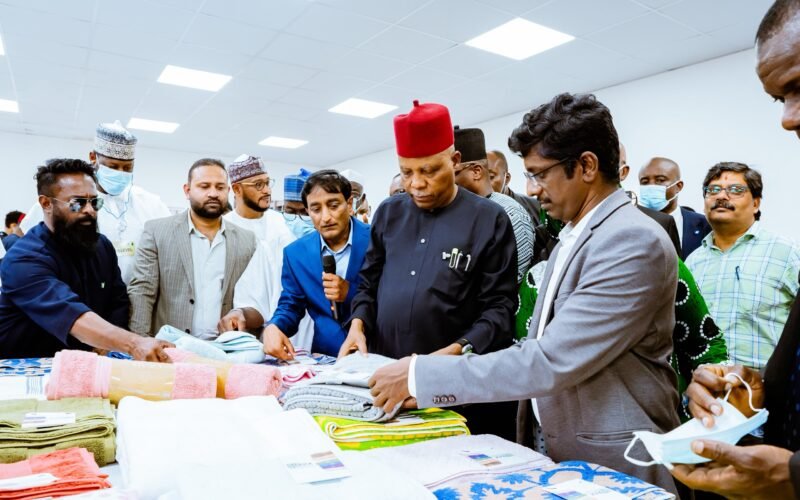
Shettima Says Nigeria Will Replicate Benin Agro-Industrial Model
Vice President Kashim Shettima says Nigeria will draw lessons from Benin Republic’s Glo-Djigbé Industrial Zone as the Fe…
 Business
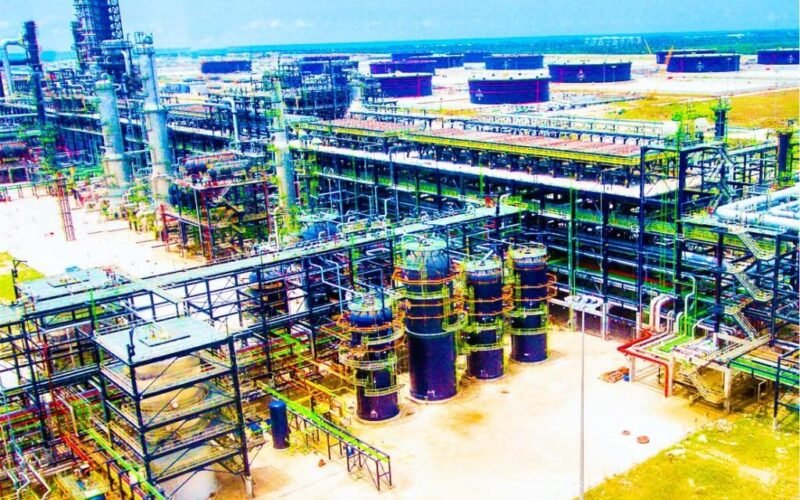
Dangote Refinery Raises $2.5bn In Private Equity Placement
Dangote Petroleum Refinery and Petrochemicals says it has raised about $2.5 billion in fresh equity through a private pl…
 Business
Dangote Refinery Restores Naira Petrol Loading at ₦1,215 Per Litre
Dangote Petroleum Refinery has resumed naira-denominated petrol loading for marketers after a week-long suspension, sett…