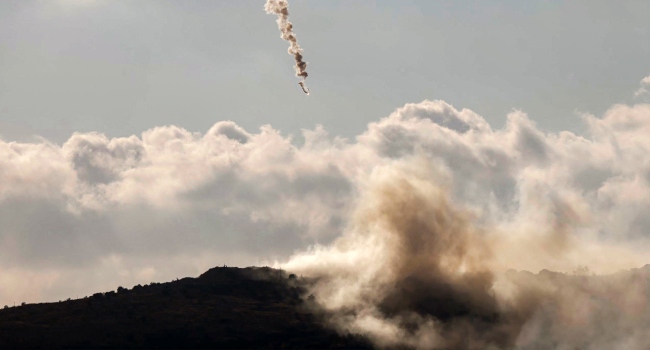
Oil prices rose sharply on Monday after Iran fired missiles at Israel and Israel responded with strikes on targets in Iran, a fresh escalation that pushed Middle East risk back to the centre of global markets.
AP reported that Iran launched missiles on Sunday, the first such bombardment since the fragile April ceasefire, while Israel hit central and western Iran early Monday in retaliation. Market coverage monitored by Reuters showed crude prices jumping as traders priced in the threat of wider supply disruption.
Why Nigeria Is Watching Closely
Higher crude prices can improve Nigeria’s oil earnings if the rally holds, but the upside is not straightforward. Earlier warnings cited by Premium Times said prolonged oil shocks can also feed inflation, freight costs and petrol prices at home.
That means the same market move that helps public revenue can still tighten pressure on households already dealing with expensive transport and food.
Volatility Is the Real Story
For now, the bigger issue is how long the tension lasts. If the latest exchange stays contained, prices could cool quickly. If it spreads across more of the region or threatens energy routes, Nigeria would feel the shock through fuel, inflation and market sentiment, not just through crude revenue.
Sources: AP, Reuters, Premium Times
Something we should clarify?
Contact the newsroom